
Is Peanut Butter Keto-Friendly? What to Check Before You Buy
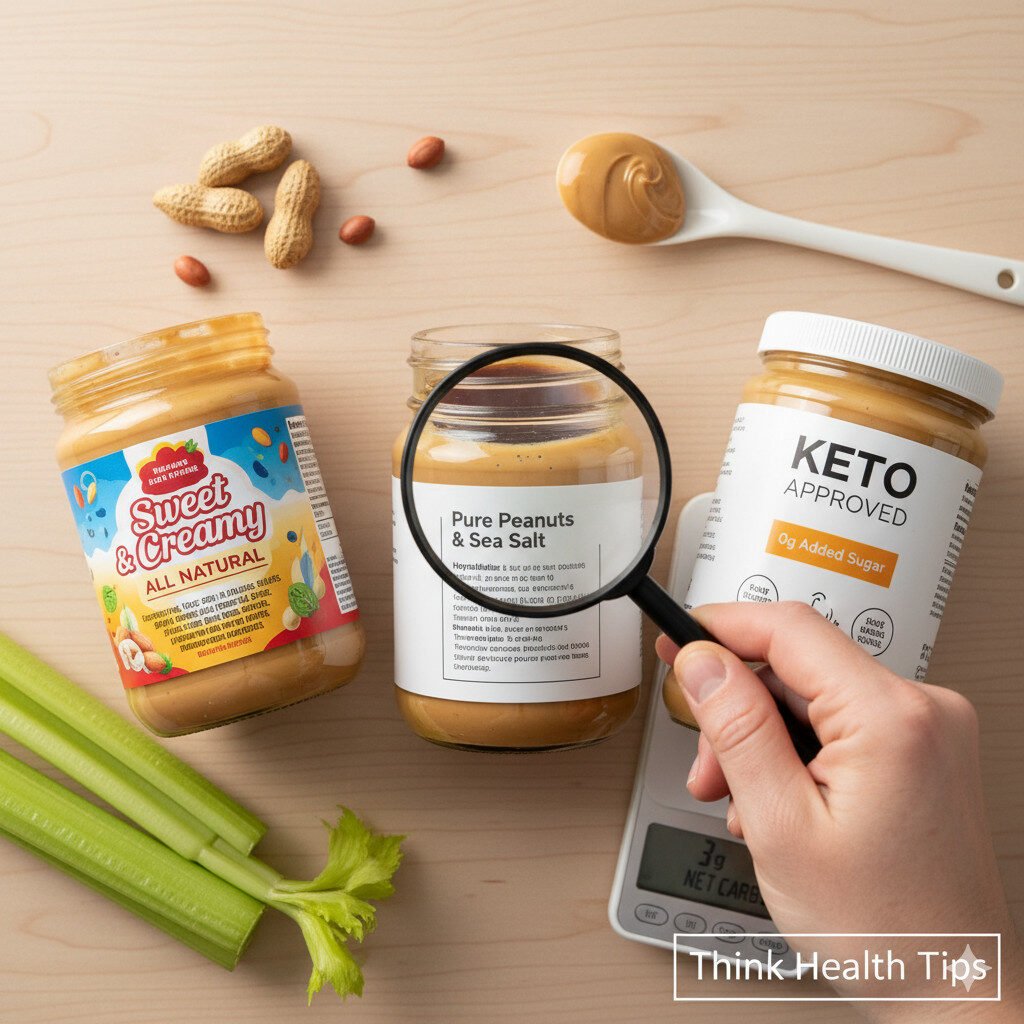
Is Peanut Butter Keto-Friendly?
Peanut butter can fit a ketogenic diet when it contains little more than peanuts and salt, and when you keep to a small serving. Sweetened jars add sugar and can use up a day’s carbohydrate allowance quickly. Anyone with a peanut allergy should avoid it. People with diabetes, kidney disease, or pregnancy should speak with a clinician before starting keto.
Key takeaways
- Plain peanut butter made from peanuts and salt is the version most likely to suit a keto diet, while sweetened versions often do not.
- “Net carbs” is a popular keto shortcut, not a standardized measure, so the total carbohydrate figure and serving size on the label matter more than front-of-pack claims.
- Keto is not appropriate for everyone, and its long-term effects are not well established, so people with medical conditions or who take certain medicines should get professional advice first.
What makes a diet keto, and where does peanut butter fit?
A ketogenic (“keto”) diet is a very-low-carbohydrate, high-fat way of eating. Its aim is to shift the body toward using fat-derived compounds called ketones for fuel when carbohydrate intake is low. Because the carbohydrate limit is strict, food choices are judged mainly by how many carbohydrates they contribute.
Peanut butter is naturally high in fat and moderate in protein, and it contains some carbohydrate and fibre. That profile is why it is often listed as a keto food. Whether a particular jar fits depends on what else is in it and how much you eat.
If you’re looking for more ways to include low-carb foods in your daily routine, try these easy keto lunch recipes for satisfying meal ideas. From chicken stir-fries to tuna lettuce wraps, you can prepare a variety of meals while keeping an eye on your daily carbohydrate intake.
Why do some peanut butters fit keto and others do not?
Peanut butter varies widely between products. Three factors explain most of the difference.
Added sugar. Many mainstream jars include sugar, honey, molasses, or syrups for sweetness. These raise the carbohydrate content and can make a product a poor fit for keto, even though the base ingredient is the same.
Other additions. Some products add hydrogenated or palm oils to stop oil separation, or flavourings, chocolate, or cookie pieces. These change the nutrition and are often unnecessary. A short ingredient list is usually a better sign.
Serving size. Nutrition labels describe a stated serving, which is often smaller than what people spoon out. Peanut butter is energy-dense, so a generous scoop adds both carbohydrates and a lot of calories. A product that looks fine per serving can exceed your limits if you eat several servings.
How do you read a peanut butter label for keto?
- Start with the ingredients. The ideal list is peanuts, with or without salt. If sugar or syrup appears near the top, the jar is likely to be higher in carbohydrate.
- Check “added sugars” and “total carbohydrate.” Compare these with the serving size printed on the label, not with the amount you assume you will eat.
- Look at fibre. Peanut butter contains some dietary fibre, which is why people calculate net carbs (see below).
- Measure your portion. Use a spoon or kitchen scale at first so your estimate matches the label.
- Be cautious with “keto” or “low carb” labels. These are marketing terms, not guarantees. Always read the ingredients and nutrition panel yourself.
Are net carbs a reliable measure?
Net carbs usually means total carbohydrate minus fibre, and sometimes minus certain sugar alcohols. Many keto followers use it because fibre is not digested the way sugar and starch are.
The method has limits. Regulators in many countries do not define “net carbs,” so calculations differ between brands and websites. Some fibres and sugar alcohols affect blood sugar more than others, and individual responses vary. For people who manage diabetes or who monitor blood glucose, the total carbohydrate figure and personal glucose readings are more dependable guides than a net-carb claim. Evidence on this is limited, so treat the net-carb figure as a rough estimate rather than a precise number.
Is peanut butter the best choice on keto, and what are the alternatives?
Peanuts are legumes, not tree nuts, and botanical classification matters less on keto than the nutrition panel does. Plain peanut butter is a reasonable option for many keto eaters.
Other spreads are also used, including almond, hazelnut, pecan, or macadamia butter and seed butters such as sunflower or tahini. Their carbohydrate content differs by product and ingredient list, and they carry the same warnings about added sugar. People with tree-nut allergies must also check labels carefully, because some products are made in facilities that handle several allergens.
No single spread is best for everyone. Taste, cost, allergies, and the label of the specific product are better deciding factors than broad claims about one nut or seed being superior.
Who should be careful with keto or peanut butter?
People with a peanut allergy should avoid peanut butter. Peanut allergy can cause severe reactions, so anyone who suspects an allergy should seek medical advice rather than testing it at home.
People with diabetes, especially those using insulin or certain glucose-lowering medicines, may need their medicine adjusted when carbohydrate intake falls sharply. Do not change prescribed medication on your own. A clinician should guide any changes.
People with kidney, liver, or pancreatic conditions, or a history of gallbladder problems, should ask a clinician before starting a very-low-carbohydrate, high-fat diet, because their conditions may affect how they handle dietary fat and protein.
Pregnant or breastfeeding women, children, and older adults have particular nutrition needs, and keto is not generally something to start without professional guidance.
People with a history of disordered eating may find strict food rules harmful and should discuss any restrictive diet with a clinician first.
Long-term effects of keto diets are not well established, and research findings are mixed. A diet that suits one person may not suit another.
When should you talk to a doctor or dietitian?
Seek advice before starting keto if you take prescription medicines, have a long-term condition, or are pregnant. Contact a clinician if you notice persistent vomiting, severe weakness, confusion, unusual breathlessness, or other symptoms that worry you after changing your diet. Seek urgent help for signs of a severe allergic reaction, such as swelling of the lips or throat, difficulty breathing, or widespread hives after eating peanuts.
Conclusion
Peanut butter can be a practical keto food when the jar is plain, the portion is measured, and the label confirms that added sugar is low. The main uncertainties are how reliable net-carb calculations are for any individual and how keto affects people over the long term. If you have a medical condition, take medication, or are pregnant, ask a doctor or registered dietitian whether a very-low-carbohydrate diet is appropriate before you begin.
Scientific References
1. Lilly LN, et al. (2019). The Effect of Added Peanut Butter on the Glycemic Response to a High-Glycemic Index Meal. Journal of the American College of Nutrition. PubMed
2. Firman CH, et al. (2024). Does a Ketogenic Diet Have a Place Within Diabetes Clinical Practice? Diabetes Therapy. PubMed
3. Ketogenic Diet: A Review of Composition Diversity, Mechanism of Action and Clinical Application (2024). Research article
4. Joshi S, et al. (2024). Risks of the Ketogenic Diet in CKD: The Con Part. Clinical Kidney Journal. PubMed
5. Patikorn C, et al. (2023). Effects of Ketogenic Diet on Health Outcomes: An Umbrella Review of Meta-Analyses of Randomized Clinical Trials. BMC Medicine. PubMed
Medical Disclaimer
The information provided in this article is for educational and informational purposes only. It is not intended to diagnose, treat, cure, or prevent any disease or medical condition.
This content should not be considered a substitute for professional medical advice, diagnosis, or treatment. Always consult a qualified healthcare professional before making decisions about your health, medications, or supplements.
Do not disregard professional medical advice or delay seeking it because of information published on this website.


