
Why Do I Drool When I Sleep?
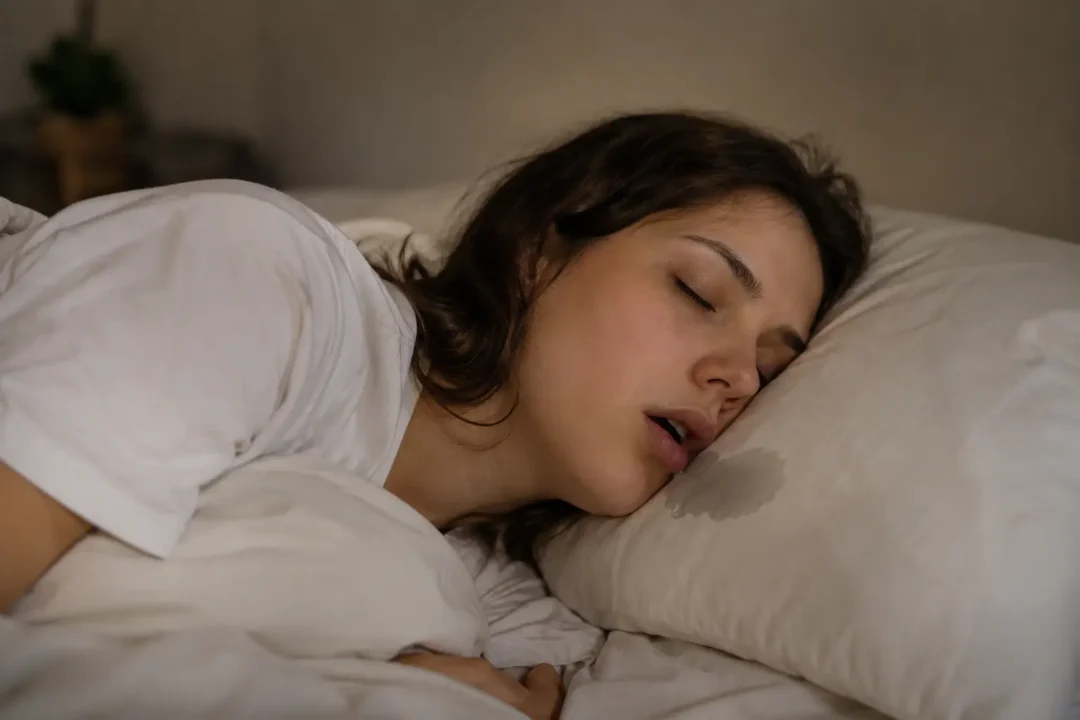
You wake up, and the pillow is wet. It happens to a lot of people, and most of the time, it means nothing is seriously wrong. But it can still feel embarrassing or make you wonder if something is off with your body.
The answer is usually simple: your body is relaxed, your mouth is open, and saliva has nowhere to go. But sometimes there are other reasons worth knowing about.
What Is Drooling, and Why Does It Happen at All?
Your mouth makes saliva all day long. Saliva helps you chew, swallow, and fight germs. Healthy adults produce about 0.5 to 1.5 liters of saliva every day.
When you are awake, you swallow often without even thinking about it. That keeps saliva from building up.
When you fall asleep, two things change:
- Your muscles relax, including the ones around your mouth
- You swallow much less often
If your mouth falls open during sleep, saliva can leak out. That is drooling. It is that simple in most cases.
Sleep Position Matters a Lot
This is one of the biggest reasons people drool. If you sleep on your side or on your stomach, gravity pulls saliva toward your cheek or lips. It can drip out before you swallow.
Back sleepers drool far less, because saliva tends to flow toward the throat instead of out of the mouth.
If you started sleeping on your side recently and noticed more drooling, that is likely why.
Common Causes of Drooling During Sleep
Mouth Breathing
If your nose is blocked, you breathe through your mouth at night. An open mouth means saliva can escape easily.
Blocked noses can come from:
- Colds or the flu
- Hay fever or dust allergies
- A deviated septum (when the inside wall of your nose leans to one side)
- Sinus problems
Treating the nose blockage often fixes the drooling.
Sleep Apnea
Sleep apnea is a condition where you stop breathing for short moments during sleep. Your airway gets blocked, which forces you to breathe through your mouth. People with sleep apnea often drool more than average.
Other signs of sleep apnea include loud snoring, waking up tired, and headaches in the morning. A doctor can test for this with a sleep study.
Allergies
Allergies cause your body to make more mucus. That can block your nose and lead to mouth breathing at night. More saliva and an open mouth make drooling more likely.
Acid Reflux (GERD)
Acid from your stomach can creep up into your throat when you lie down. Your body reacts by making extra saliva to protect the throat lining. That extra saliva sometimes causes drooling.
If you notice a sour taste in your mouth, heartburn, or a sore throat in the morning, reflux could be a factor.
Medications
Some medicines cause your mouth to make more saliva than usual. These include:
- Some antipsychotic drugs (especially clozapine)
- Certain medicines for nerve or muscle conditions
- Some medicines for nausea
If you started a new medicine and noticed more drooling soon after, mention it to your doctor.
Neurological Conditions
Conditions that affect the muscles and nerves, like Parkinson’s disease or cerebral palsy, can make swallowing harder. Saliva builds up and leaks out more easily. This is less common but worth knowing.
Is It Ever a Warning Sign?
For most people, drooling during sleep is harmless. But there are a few situations where it is worth paying attention.
See a doctor if:
- You drool heavily and this is new, especially after age 40 or 50
- You also have trouble swallowing when you are awake
- You notice muscle weakness, slurred speech, or shaking
- You snore loudly and feel exhausted no matter how much you sleep
- You have a sour or burning feeling in your throat regularly
These signs together could point to something that needs proper testing.
Simple Ways to Reduce Drooling at Night
Try Sleeping on Your Back
This is the easiest change. It removes gravity from the equation. If saliva flows toward your throat instead of your lips, it just gets swallowed quietly.
It takes some getting used to, but many people adjust within a week or two.
Keep Your Nose Clear
If allergies are the problem, a saline nasal rinse before bed can help. It flushes out dust and pollen that block the nose. Some people use a gentle nasal strip to open their airways at night.
Antihistamines (allergy pills) can also reduce stuffiness, though some older types can make your mouth dry, which is not always comfortable either.
Raise the Head of Your Bed Slightly
A slightly elevated head position helps saliva drain toward the throat. It also helps with acid reflux if that is contributing to the problem.
You do not need a fancy pillow. A firm, slightly thicker pillow often does the job.
Treat Underlying Conditions
If sleep apnea is diagnosed, a CPAP machine (a small device that keeps your airway open at night) is often the main treatment. Many people find their drooling stops once apnea is managed.
If reflux is involved, avoiding large meals close to bedtime and cutting back on coffee and alcohol can help.
What Doctors Can Do
If home changes do not help, your doctor has a few tools available:
Medication: In cases where the body makes too much saliva (a condition called hypersalivation or sialorrhea), doctors sometimes prescribe medicines that reduce saliva production.
Botox injections: Small injections into the salivary glands can reduce saliva output for several months. This is usually only used for more serious cases, such as people with neurological conditions.
Speech or swallowing therapy: A therapist can teach exercises that strengthen the muscles around the mouth and improve swallowing control.
Surgery to the salivary glands is rare and only considered when nothing else works.
Common Myths About Drooling in Sleep
Myth: Drooling means you are in a very deep sleep. Not exactly. You can drool in lighter stages of sleep too. It mostly depends on your mouth position and breathing, not sleep depth.
Myth: Only babies and old people drool. Adults of all ages drool. It is more common than most people admit, partly because it is embarrassing to mention.
Myth: There is nothing you can do about it. Position changes, treating nasal blockage, and managing reflux all help for many people. It is worth trying simple fixes before assuming it is permanent.
Frequently Asked Questions
Is drooling while sleeping normal?
Yes, for most adults. Muscles relax during sleep, swallowing slows down, and saliva can leak out. Unless it is new, heavy, or comes with other symptoms, it is usually harmless.
Why do I only drool on some nights and not others?
It often links to how you sleep that night. A stuffed nose, a new sleeping position, or eating something that causes reflux can all trigger drooling on certain nights.
Can drooling damage my skin?
Heavy drooling over time can irritate the skin around the mouth and chin. Keeping the area clean and dry, and using a gentle moisturizer if needed, helps prevent irritation.
Does drooling mean I have sleep apnea?
Not automatically. But if you also snore loudly, wake up feeling tired, or have been told you stop breathing during sleep, it is worth getting checked. Drooling is one of several possible signs of apnea.
Does drinking more water reduce drooling?
Staying hydrated keeps saliva at a normal consistency, but it does not directly reduce drooling. The cause matters more than hydration alone.
The Bottom Line
Drooling during sleep is one of those things most people experience but rarely talk about. The cause is almost always something simple: an open mouth, a blocked nose, or sleeping on your side. Addressing those factors tends to help.
If drooling is new, heavy, or comes along with trouble swallowing, tiredness, or other symptoms, that is worth a conversation with a doctor. Most of the time, though, a small change in sleeping position or clearing your nose before bed is all it takes.
References
- Cleveland Clinic. Drooling (Sialorrhea): Causes and Treatments. https://my.clevelandclinic.org/health/symptoms/22698-drooling
- Mayo Clinic. Drooling: Causes. https://www.mayoclinic.org/symptoms/drooling/basics/causes/sym-20050788
- MedlinePlus (U.S. National Library of Medicine). Drooling. https://medlineplus.gov/ency/article/003048.htm
- Sleep Foundation. Sleep Apnea: Symptoms, Causes, and Treatments. https://www.sleepfoundation.org/sleep-apnea
- National Institute on Deafness and Other Communication Disorders (NIDCD). Swallowing Disorders. https://www.nidcd.nih.gov/health/swallowing-disorders
Disclaimer:
This article is for general information only. It is not a substitute for advice from a qualified medical professional. If you have concerns about your health, speak with a licensed doctor or healthcare provider. if you need more details about content, read our Editorial policy page.