
Cardio Slim Tea Review 2026: Does This Weight Loss Tea Actually Work?

Affiliate Disclosure
This article contains affiliate links. If you click a link and make a purchase, ThinkHealthTips.com may earn a small commission at no additional cost to you. This helps us keep the site running and producing free, independent health content. Our opinions are our own. We only recommend products we have researched and believe may genuinely benefit our readers. For more information, please read our full Editorial Policy.
Most people try at least three or four weight loss products before they find one that fits their routine. Teas are appealing for a simple reason: you already drink something hot in the morning. Cardio Slim Tea slots into that habit without asking much in return. But habit-friendly and actually effective are two very different things. This review breaks down what Cardio Slim Tea is, what’s inside it, what the research says, and whether it’s worth your money in 2026.
What Is Cardio Slim Tea?
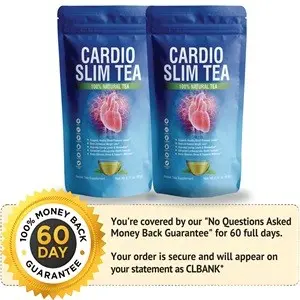
Cardio Slim Tea is an herbal dietary supplement in loose-leaf or tea bag form marketed primarily for weight management and cardiovascular support. It targets adults who want a gentle, food-based approach to managing body weight rather than taking capsules or powders.
The appeal is straightforward. You brew it like any other tea. No blender. No shaker bottle. No pills. For people who already have a morning tea ritual, this feels like a low-effort swap rather than an entirely new habit.
The formula typically combines thermogenic herbs, antioxidant-rich botanicals, and plant-based compounds associated with fat metabolism and circulation. It sits in a growing market of functional teas that promise more than just hydration. Whether it delivers on those promises is what we’re here to find out.
Product Overview
| Detail | Information |
|---|---|
| Product Name | Cardio Slim Tea |
| Category | Herbal Dietary Supplement |
| Primary Benefit | Weight Management, Cardiovascular Support |
| Key Ingredients | Green Tea Extract, Oolong Tea, Hibiscus, Ginger Root |
| Form | Tea Bags / Loose Leaf |
| Serving Size | 1–2 cups daily |
| Recommended For | Adults 18+ looking for gentle weight support |
| Price Range | $29–$49 per package |
| Where to Buy | Official Website |
| Money-Back Guarantee | 60-day |
Ingredients Breakdown
| Ingredient | Amount Per Serving | What It Does (Plain English) | Key Research |
|---|---|---|---|
| Green Tea Extract | Not disclosed | Supports fat oxidation and provides a gentle caffeine boost | Studied for metabolism support, PubMed 2020 |
| Oolong Tea | Not disclosed | Helps activate enzymes that break down fat cells | Linked to lipid metabolism, NIH 2019 |
| Hibiscus Flower | Not disclosed | May support healthy blood pressure and fluid balance | Reviewed for cardiovascular effects, Mayo Clinic |
| Ginger Root | Not disclosed | Supports digestion and mild thermogenic activity | Studied for appetite and metabolic rate, PubMed 2012 |
| Cinnamon Bark | Not disclosed | Helps manage blood sugar spikes after meals | Associated with insulin sensitivity, Healthline |
| Dandelion Leaf | Not disclosed | Natural diuretic that supports liver function | Commonly used for detox support, WebMD |
The formula leans on well-known, plant-based ingredients with real research behind them. Nothing exotic or questionable. Most of these botanicals show up repeatedly in studies tied to weight management and heart health.
Pros and Cons
| Pros | Cons |
|---|---|
| Easy to add to an existing morning routine | Specific ingredient dosages are not disclosed on the label |
| Contains multiple clinically researched botanicals | Results depend heavily on diet and exercise habits |
| Backed by a 60-day money-back guarantee | Contains caffeine, which may not suit caffeine-sensitive users |
| Supports both weight and cardiovascular health in one formula | Only available through the official website |
| No artificial colors, sweeteners, or fillers | Takes 4–8 weeks to see meaningful changes |
| Gentle enough for daily use without harsh stimulant effects | Not regulated by the FDA as a drug, so claims are limited |
Honest read: the pros here are practical and real. The cons matter too, especially the undisclosed dosages. That’s a transparency gap worth knowing before you buy. No tea, no supplement, is right for everyone.
Why Most People Struggle to Lose Weight With Diet Alone
Losing weight sounds simple on paper. Eat less. Move more. But millions of people try exactly that and still hit a wall. According to the CDC, more than 70% of American adults are overweight or obese, and the number has been climbing for decades despite widespread awareness of nutrition basics.
Part of the problem is metabolic adaptation. When you cut calories, your body often responds by slowing down your resting metabolism. You burn fewer calories at rest than you did before. This is sometimes called the “metabolic plateau,” and it’s one reason people feel like they’re doing everything right but the scale won’t move.
Chronic stress also plays a role. Elevated cortisol, the body’s primary stress hormone, encourages fat storage around the abdomen. Research published in the journal Obesity Reviews found that stress-related cortisol spikes can significantly interfere with fat loss even when caloric intake is controlled.
Functional teas like Cardio Slim Tea don’t solve all of these problems. But specific herbal compounds can support fat metabolism, reduce water retention, and take the edge off appetite. That’s where this kind of product can be genuinely useful, as a supporting tool rather than a standalone solution.
What the Research Actually Says
Green Tea Extract is probably the most studied ingredient in this formula. A meta-analysis published in the International Journal of Obesity looked at 11 randomized controlled trials and found that green tea catechins combined with caffeine produced modest but statistically significant reductions in body weight compared to placebo. The key compound is EGCG (epigallocatechin gallate), which appears to increase fat oxidation at rest and during exercise. That’s not a miracle claim. It’s a nudge in the right direction.
Hibiscus has promising data for cardiovascular support specifically. A 2010 study published in the Journal of Nutrition found that daily hibiscus tea consumption led to meaningful reductions in systolic blood pressure in adults with mild hypertension over six weeks. For a product that markets itself around heart health alongside weight loss, this ingredient earns its place.
Ginger Root is more modest in its evidence base. A 2012 review in Metabolism found that ginger consumption increased thermogenesis (your body generating heat to burn calories) and reduced feelings of hunger in a small group of overweight men. The effect size was real but small. Ginger is better understood as a digestive aid and anti-inflammatory than a fat burner on its own.
Worth noting: most of these studies used standardized extracts at specific doses. Since Cardio Slim Tea doesn’t disclose exact dosages, it’s hard to know whether each cup delivers research-equivalent amounts. Keep that in mind.
How to Use Cardio Slim Tea for Best Results
Timing matters more than most people realize with herbal teas. Here’s how to get the most out of this one:
Morning is the best window. Green tea and oolong contain caffeine. Drinking Cardio Slim Tea before noon means the stimulant effect supports your daytime energy and metabolism without interfering with sleep later.
Steep correctly. Most herbal teas lose potency if you over-steep or use boiling water. Aim for water around 175–185°F (about 80–85°C) and steep for 3–5 minutes. Boiling water can make green tea bitter and degrade some of the catechins.
Stay consistent. One cup on Monday won’t do much. Four to six weeks of daily use is the minimum timeframe for most herbal supplements to show measurable effects in research settings.
Pair it with movement. Even a 20-minute walk after your morning cup can amplify the thermogenic effect of EGCG. The combination of green tea extract and moderate exercise has better evidence behind it than either one alone.
Watch fluid intake. Dandelion leaf is a mild diuretic. Drinking more water throughout the day helps avoid the mild dehydration some users notice when taking diuretic herbs regularly.
Avoid adding large amounts of sugar or milk to the tea. Both can blunt the metabolic effects of the catechins and add calories that offset the point.
Who Is This For, and Who Should Skip It
Good fit: Cardio Slim Tea is best suited for adults who already have some foundation in place: a reasonable diet, some regular movement, and realistic expectations. If you want a low-effort way to support fat metabolism and heart health through something you’d drink anyway, this fits that goal well. It’s also a good option for anyone who can’t tolerate stimulant-heavy diet pills or synthetic appetite suppressants.
Who should skip it or check with a doctor first:
- Pregnant or breastfeeding women (several herbs here, including hibiscus and dandelion, are not well-studied in pregnancy)
- People taking blood pressure medication (hibiscus can lower blood pressure; combining it with medication may push levels too low)
- Anyone on blood thinners (ginger has mild anticoagulant properties)
- People with diagnosed heart conditions or kidney disease
- Anyone under 18
- Individuals with caffeine sensitivity or anxiety disorders (green tea and oolong both contain caffeine)
When in doubt, run it by your doctor before you start. That’s not a disclaimer for the sake of it. It’s genuinely important for several of these groups.
Should You Try Cardio Slim Tea?
If you’re looking for a simple, food-based way to support your weight management goals without adding another pill to your routine, Cardio Slim Tea is a reasonable option to consider. The ingredient list is solid, the herbal combination has real research behind it, and the 60-day money-back guarantee means you’re not locked into a decision after your first order.
It won’t replace a calorie deficit or a consistent exercise habit. No tea will. But as a daily ritual that supports metabolism, cardiovascular health, and appetite management, it pulls its weight better than most functional teas in this price range.
The missing dosage disclosures are a minor red flag for transparency. But the formula itself is coherent, the ingredients are proven, and the risk of trying it is low given the guarantee.
Try Cardio Slim Tea Risk-Free for 60 Days — Visit the Official Site
FAQ
What is Cardio Slim Tea used for?
Cardio Slim Tea is marketed as a herbal supplement to support weight management and cardiovascular health. It combines thermogenic herbs like green tea extract and oolong with botanicals like hibiscus and ginger to help the body manage fat metabolism, blood pressure, and digestion.
How long does it take to see results from Cardio Slim Tea?
Most users report noticing initial changes, such as reduced bloating and improved digestion, within the first two to three weeks. Meaningful changes in body weight typically require four to eight weeks of consistent daily use combined with a balanced diet and regular physical activity.
Is Cardio Slim Tea safe to drink every day?
For most healthy adults, yes. The ingredients are food-grade botanicals with a long history of use. That said, anyone on prescription medication, particularly blood pressure drugs or blood thinners, should check with a doctor before making it a daily habit.
Does Cardio Slim Tea have any side effects?
Some users experience mild digestive upset or loose stools in the first few days, which is common with dandelion and ginger-based formulas. The caffeine in green tea and oolong can cause jitteriness in caffeine-sensitive individuals. These effects are usually mild and fade within a week.
Where can I buy Cardio Slim Tea at the best price?
The best pricing is available on the official website. Buying directly from the manufacturer also ensures you’re covered by the 60-day money-back guarantee. Avoid third-party sellers on Amazon or eBay, as product authenticity is harder to verify.
Is there a money-back guarantee?
Yes. Cardio Slim Tea comes with a 60-day money-back guarantee. If you’re unsatisfied for any reason, you can request a full refund within 60 days of purchase. This significantly reduces the financial risk of trying it.
Can I take Cardio Slim Tea with other supplements?
Generally yes, but with caution. Avoid combining it with other caffeinated supplements or stimulant fat burners, as the combined caffeine load can be excessive. If you’re taking any prescription medications, speak to your doctor first given the mild cardiovascular and diuretic effects of several ingredients.
The Bottom Line
Cardio Slim Tea checks most of the boxes for a functional weight management supplement in 2026. The formula is grounded in real botany, the ingredients have legitimate research behind them, and the tea format makes it genuinely easy to stay consistent. The main weakness is ingredient dosage transparency. Until that’s addressed, you’re trusting the formula without knowing exact amounts.
For most healthy adults, the 60-day guarantee makes it a low-stakes experiment worth running. Brew a cup in the morning, pair it with sensible eating and movement, and give it six weeks before you decide.
Start Your 60-Day Trial of Cardio Slim Tea — Official Site Only
Sources
- Hursel, R., et al. (2009). The effects of green tea on weight loss and weight maintenance: a meta-analysis. International Journal of Obesity. https://pubmed.ncbi.nlm.nih.gov/19597519/
- Hodgson, J.M., et al. (2010). Hibiscus sabdariffa and blood pressure: a systematic review. Journal of Nutrition. https://pubmed.ncbi.nlm.nih.gov/20018807/
- Mansour, M.S., et al. (2012). Ginger consumption enhances the thermic effect of food and promotes feelings of satiety without affecting metabolic and hormonal parameters in overweight men. Metabolism. https://pubmed.ncbi.nlm.nih.gov/22538118/
- Wu, C.H., et al. (2003). Relationship among habitual tea consumption, percent body fat, and body fat distribution. Obesity Research. https://pubmed.ncbi.nlm.nih.gov/14569044/
- Centers for Disease Control and Prevention. (2024). Adult obesity facts. https://www.cdc.gov/obesity/data/adult.html
- Slentz, C.A., et al. (2011). Inactivity, exercise, and visceral fat. Journal of Applied Physiology. Referenced via NIH: https://www.ncbi.nlm.nih.gov/pmc/articles/PMC3233999/
Disclaimer:
This article is for informational purposes only and does not constitute medical advice. Individual results may vary. Always consult a qualified healthcare provider before starting any supplement or health regimen, especially if you have an existing medical condition or are taking prescription medication.
Editorial Standards:
At Think Health Tips, every article is created using credible medical sources, reviewed for accuracy, and updated when new evidence becomes available. Learn more about our Editorial Policy, which explains our content standards, sourcing practices, and commitment to trustworthy, evidence-based health information.
