Causes of Gum Recession: Why Your Gums Pull Back and What You Can Do About It
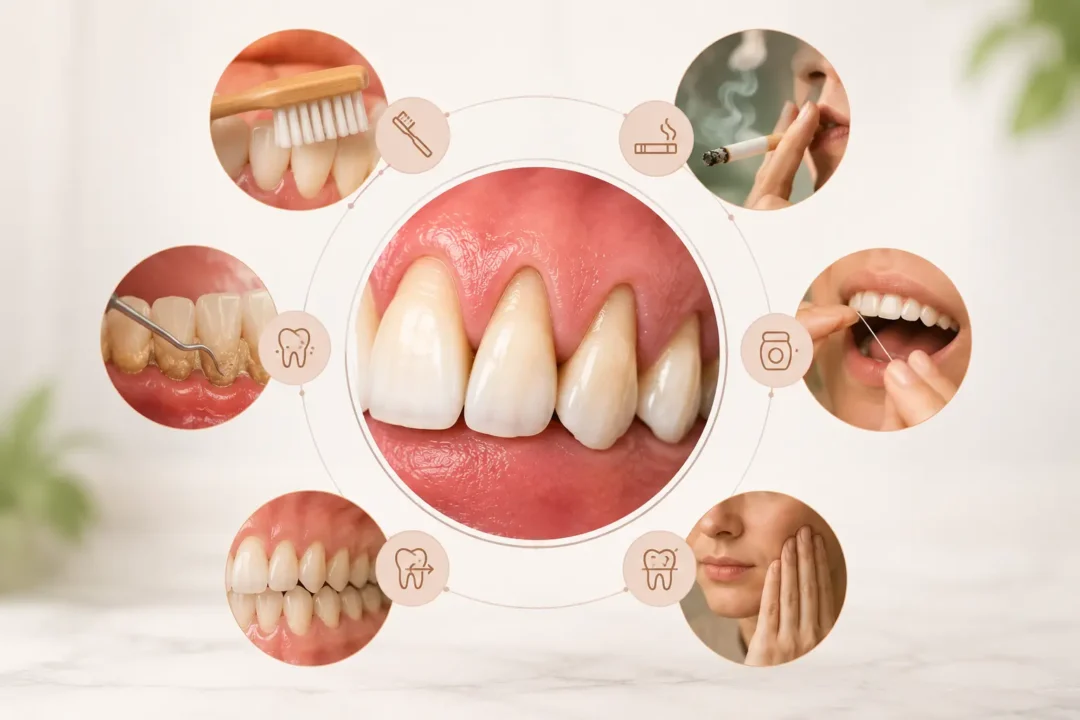
Your gums protect your teeth. They wrap tightly around the base of each tooth and act like a seal. When that seal breaks down, the gum tissue starts to pull away. This is called gum recession.
It looks simple, but the causes behind this are not always crystal clear. Many people notice gum recession too late. Because they don’t have proper knowledge. In this stage, the roots of the teeth will become exposed. The teeth look longer than normal. You may feel sensitivity while you are eating hot or cold food items. Some people feel pain when they brush.
Gum recession doesn’t happen overnight. It builds slowly. So understanding the causes matters. When you know how to pull your gums back, you can prevent serious problems from happening.
Here are the details about the causes of gum recession.
Brushing Your Teeth Too Hard
This is the first, and most people are doing it. Most people don’t even know they are brushing their teeth in this way.
Aggressive brushing can damage your gums. They can also wear away the protective enamel on the sides of your teeth. Over time, this damage may cause the gum line to recede.
Using hard-bristled toothbrushes can be harsh on your gums and enamel. It will cause more damage with continued use.
Dentists recommend using soft-bristled brushes. They also recommend gentle, circular motions instead of back-and-forth scrubbing. Small changes here can protect your gums for years.
Gum Disease (Periodontitis)
Gum disease is the major cause of gum recession. Gingivitis is the initial stage of gum disease. It is caused by a buildup of plaque on the teeth.
Plaque is the sticky layer of bacteria that forms on your teeth every day. It turns into tartar if it doesn’t get cleaned away. You can’t remove tartar at home; it requires a professional cleaning.
Plaque that remains on teeth can harden into tartar, which can be difficult to remove from around the gumline without professional cleaning. If you have visible hardened buildup or bleeding gums, our guide on how to remove tartar from teeth without a dentist explains the limits of home care and why a dental professional may be needed.
Once tartar starts building up in your gumline, it triggers infections. Then the gums become red, swollen, and they bleed easily. This is still gingivitis at this stage.
If gingivitis is left untreated, it will progress to periodontitis, allowing the infection to spread below the gum line. It may cause the bone and tissues around the teeth to gradually break down.
If gums pull away from the teeth, it forms a deep pocket. Bacteria sit in those pockets and cause even more damage.
This is a serious condition, and it is one of the major causes of tooth loss in adults.
Neglected oral hygiene
Brushing and flossing regularly help to protect your oral health. If you skip them, it allows plaque to build up, which leads to gum disease, and gum disease leads to recession. Skipping flossing increases the risk of gum problems. Flossing removes the plaque from your teeth and gum line. In those areas, your toothbrush cannot clean effectively. Neglecting oral hygiene doesn’t mean you are careless. Your schedule may be packed. But bacteria in your mouth are active every day. It doesn’t take a break. Brushing your teeth properly is the only solution to protect your oral hygiene.
Genetics
Some people are more likely to get a gum recession than others. Research shows that some people have naturally thinner gums. These thin gums can be more delicate and pull back easily. Even if they take good care of their teeth and gums.
If one or both of your parents have gum recession, it may affect you too. It doesn’t mean a recession is unavoidable. But it means you should be more careful and visit dentists more often to monitor your oral hygiene.
Teeth Clenching and Grinding
Many people grind or clench their teeth without knowing it. It will often happen while they sleep. Grinding your teeth puts extra stress on your teeth. Over time, this stress can cause the gums to pull away from a tooth, and it leads to gum recession.
Teeth grinding can wear down your teeth over time. It may also cause jaw pain, headaches, and sensitive teeth. Dentists can provide a custom night guard to wear when you sleep. This device helps to absorb the pressure from grinding, and it protects your teeth and gums.
Misaligned Teeth or a Bad Bite
Crowded, crooked, or poorly aligned teeth can put extra pressure on certain areas of your mouth when you bite or chew. Over time, this uneven force can stress your gums and cause them to pull back.
Teeth that stick out too far are more likely to experience gum recession. They often have less bone support, which makes the gums easier to damage.
Orthodontic treatment for straightening misaligned teeth can help spread biting force more evenly, and it will reduce the risk of gum recession.
Smoking and Tobacco Use
Smoking and chewing tobacco can be seriously harmful to your gums. It reduces the blood flow to your gum tissue. This makes it harder for the gums to fight infection, stay healthy, and heal properly.
Tobacco use also encourages plaque buildup on teeth. It will lead to gum disease and then cause gum recession.
Smokers are more likely to develop gum disease compared with non-smokers. Their gum problems can be more severe and progress faster.
Hormonal Changes
Hormonal changes can affect your gum health. This can happen during pregnancy, menopause, and puberty. At that time, hormones will rise and fall. These changes can affect your gum health. They make your gums more sensitive. As a result, the risk of gum problems, including gum recession, may increase.
Hormonal changes for women during pregnancy can make gums more sensitive. It can lead to pregnancy gingivitis. This causes swelling, bleeding, and redness. If you don’t treat it, it can develop into serious gum disease.
When women go through menopause, they will notice their gums feel dry. You may notice redness, tenderness, or bleeding. If you feel these signs, your gum tissues are under more stress, and you need extra care.
Piercings in the Mouth
Lip and tongue piercings can increase the risk of gum recession. The jewelry frequently rubs against the gums. It irritates and wears over time. Especially, tongue piercings can be more harmful because the metal jewelry often comes into contact with the gums behind the lower front teeth.
This constant friction can gradually damage your gum tissues and cause them to pull away from the teeth.
Dentists generally see gum recession around the lower front teeth. This is common among people who have tongue piercings.
Dry Mouth
Saliva helps to protect your teeth and gums. It washes away food particles and bacteria while keeping the tissues in your mouth moist and healthy.
If your mouth doesn’t produce enough saliva, harmful bacteria can build up more easily. It can increase the risk of infection, gum irritation, and gum recession.
Dry mouth can be caused by taking certain medications or medical conditions, such as diabetes. It can also be caused by dehydration, breathing or smoking through the mouth.
Diabetes
Diabetes patients are more likely to develop gum disease. This is one of the major causes of gum recession.
High blood pressure can weaken the ability to fight against infections. It makes it easier for bacteria to damage gums.
If you keep control of your blood sugar levels, it can help to reduce the risk of gum disease. Maintaining oral hygiene and regular dental checkups are more important, especially for people with diabetes.
Signs You Should Watch For
Understanding the reasons for gum recession is important to protect your oral health. Here are the early signs that can help you take action before the problem gets worse.
Common Symptoms
- Teeth appear longer than before
- You feel sensitive when you take hot, cold, or sweet foods and drinks.
- A small groove or notch near the gum line.
- Gums that bleed while you brush or floss
- Red, swollen, and tender gums
- Bad breath that doesn’t go away.
- Loose teeth in advanced cases.
If you notice any of these signs, schedule a dental appointment. Early treatment can help prevent further gum loss and may reduce the need for more extensive procedures later.
What You Can Do Right Now
Gum recession doesn’t go away automatically. Once the gums pull back, they usually do not grow back without dental treatment. So you can take steps to prevent the problem from getting worse.
Here are the easy ways to protect your gums.
- Use a soft-bristled toothbrush.
- Brush gently, instead of scrubbing hard.
- Avoid smoking and tobacco products.
- Drink plenty of water.
- Floss every day
- Visit your dentist regularly for checkups and cleanings.
If you grind your teeth at night, ask your dentist for a night guard. If your teeth are crooked or misaligned, orthodontic treatment may help reduce pressure on your gums.
Small habits can make a big difference. If you take care of your teeth and gums now, it will help to protect your smile for years to come.
FAQs About Causes of Gum Recession
What is the most common cause of gum recession?
The most common cause of gum recession is gum disease. Plaque and tartar buildup can lead to inflammation, which damages the gums and the bone that supports your teeth. Brushing too hard and poor oral hygiene can also cause the gums to pull away from the teeth over time.
Can brushing your teeth too hard cause gum recession?
Yes. Using a hard-bristled toothbrush or brushing with too much force can wear down gum tissue. Dentists usually recommend using a soft-bristled toothbrush and gentle, circular brushing motions to help protect your gums.
Can gum recession happen even if I brush and floss every day?
Yes. While good oral hygiene lowers your risk, other factors such as genetics, teeth grinding, tobacco use, hormonal changes, or misaligned teeth can still contribute to gum recession. Regular dental checkups can help detect early signs.
Is gum recession reversible?
Lost gum tissue does not grow back naturally. However, early treatment can stop the condition from getting worse. Depending on the cause, your dentist may recommend deep cleaning, treating gum disease, adjusting your brushing technique, or, in severe cases, gum graft surgery.
How can I prevent gum recession?
You can lower your risk by brushing gently with a soft-bristled toothbrush, flossing daily, avoiding tobacco products, wearing a night guard if you grind your teeth, and visiting your dentist for regular cleanings and exams. Treating gum disease early is one of the best ways to protect your gums.
References
https://my.clevelandclinic.org/health/diseases/22753-gum-recession
https://www.mayoclinic.org/diseases-conditions/gingivitis/symptoms-causes/syc-20354453
https://www.mayoclinic.org/diseases-conditions/periodontitis/symptoms-causes/syc-20354473
https://pubmed.ncbi.nlm.nih.gov/12636127/
Editorial Standards
This content is reviewed for accuracy, clarity, and relevance using trusted medical and dental sources. Our goal is to provide evidence-based health information that is easy to understand. Learn more about our editorial process in our editorial policy.
Medical Disclaimer:
This article is for informational purposes only and does not replace professional medical or dental advice. If you have concerns about your oral health, consult a qualified dentist or healthcare provider.