How to Prevent Cavities: What Actually Works and What Doesn’t
Most people find out they have a cavity the same way: sitting in a dentist’s chair, hearing that small, familiar pause before the words “we found something.” It’s one of those universal experiences that nobody enjoys. The strange part? Cavities are largely preventable. Not just in theory, but in daily, practical life. You don’t need a perfect oral hygiene routine to have healthy teeth. You just need to understand what’s actually happening inside your mouth.
What a Cavity Actually Is
Before we talk prevention, it helps to understand what you’re preventing.
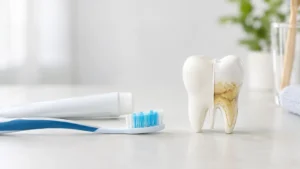
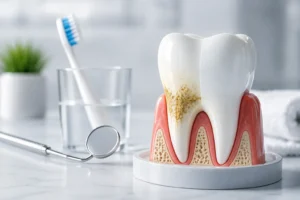
A cavity is a permanently damaged area in the hard outer surface of a tooth. It starts small, often invisibly small, and grows over time if nothing changes. The process isn’t mysterious. Bacteria in your mouth feed on sugars and produce acid as a byproduct. That acid slowly erodes tooth enamel, which is the hard protective coating on your teeth. Once the enamel breaks down enough, a hole forms. That’s a cavity.
The sneaky part is that this happens in stages. Early on, the damage is reversible. The mineral structure of enamel can actually repair itself with the right conditions, primarily through saliva and fluoride. Once a cavity has fully formed, though, it won’t heal on its own. That’s when a dentist needs to step in.
So there’s a window. And that window is where prevention lives.
The Role of Bacteria (It’s Not What You Think)
You can’t eliminate oral bacteria, nor would you want to. Your mouth naturally hosts hundreds of bacterial species, and many of them are harmless or even helpful. The trouble-causing ones are specific strains, particularly Streptococcus mutans, that thrive on fermentable carbohydrates and produce high amounts of acid.
Here’s what matters: these bacteria live in a sticky film called plaque. Plaque clings to your teeth, especially along the gumline and in the grooves of your molars. When it isn’t regularly removed, it hardens into tartar, which only a dental cleaning can remove. Inside that plaque layer, acid production is essentially concentrated right against your enamel.
Brushing and flossing aren’t just hygiene rituals. They’re the most direct way to physically disrupt this process before it gains momentum.
Brushing: Getting It Right Matters More Than Doing It Often
Most adults brush twice a day. Fewer do it effectively.
The goal isn’t just to move a brush around your mouth for two minutes. You want to physically remove plaque from the surfaces of your teeth, including the spots that are easy to miss: the gumline, the backs of your molars, and the inner surfaces of your front teeth.
Technique tips that actually help
Use a soft-bristled toothbrush. Hard bristles feel like they’re doing more work, but they can actually wear down enamel and irritate gums over time. Angle the brush at about 45 degrees toward the gumline and use short, gentle strokes. Think circular or jiggling motions rather than back-and-forth scrubbing.
Two minutes is the standard recommendation, and it’s a reasonable target. Most people rush through in about 45 seconds, which isn’t enough time to cover all surfaces properly.
Brush before bed without fail. Overnight is when your mouth gets the least saliva flow, meaning acid has more time to sit undiluted against your enamel. Whatever you eat in the evening, you don’t want that residue staying on your teeth all night.
Manual vs. electric
Both work. Research has found that electric toothbrushes, particularly oscillating-rotating models, tend to remove slightly more plaque than manual brushing. But a manual brush used correctly beats an electric brush used carelessly. Use what you’ll actually use consistently.
Flossing: The Part Everyone Skips
About 30 percent of your tooth surface is between your teeth. Your toothbrush can’t reach it. That’s the entire argument for flossing.
Cavities frequently form in those tight spaces between teeth, and they can be invisible in a mirror until they’ve grown. Regular flossing removes the plaque and food debris that brushing leaves behind.
The technique matters. You’re not just threading floss between your teeth and pulling it back out. You want to curve the floss into a C-shape around each tooth and slide it gently up and down against the tooth surface, going just slightly below the gumline. Do this for every space, not just the obviously food-trapping ones.
If traditional floss is difficult for you to manage, floss picks and water flossers are reasonable alternatives. Water flossers in particular have shown good results for people with braces, dental bridges, or limited dexterity.
Fluoride: The Most Underrated Cavity Fighter
Fluoride gets dismissed in some circles. That’s a shame, because the evidence supporting its role in cavity prevention is extensive and decades old.
Here’s how it works. When fluoride is present during the remineralization process (the natural repair cycle in your mouth), it helps form a more acid-resistant version of tooth enamel. It also directly inhibits the acid-producing activity of cavity-causing bacteria.
Fluoride toothpaste is the most practical way most people get this benefit. Look for a product that lists sodium fluoride or stannous fluoride in its active ingredients. The concentration matters: standard over-the-counter toothpastes in the U.S. typically contain 1000-1500 ppm (parts per million) of fluoride, which is effective for adults.
After brushing, spit rather than rinsing immediately. Letting a small amount of fluoride toothpaste remain on your teeth for a few minutes after brushing gives it more contact time to do its job. It’s a small habit change with meaningful payoff.
Fluoridated water also contributes. Many municipal water systems add fluoride at levels recommended by public health bodies. If you rely on well water or heavily filtered water, you may not be getting this background benefit.
Diet: The Hidden Driver of Cavity Risk
You’ve probably heard that sugar causes cavities. That’s true, but incomplete.
The fuller picture is that it’s not just the amount of sugar you eat but how often you eat it and what form it comes in. Every time you consume fermentable carbohydrates (sugars and refined starches), acid production in your mouth spikes for roughly 20 to 30 minutes before saliva neutralizes it. Eat a candy bar once, and you have one spike. Sip on a sweetened drink all afternoon, and your enamel is under near-constant acid attack.
The frequency problem
Frequent snacking, grazing throughout the day, or slowly nursing sugary or acidic beverages are harder on your teeth than a single, larger serving consumed at a meal. This is why diet soda, sports drinks, fruit juice, and flavored sparkling water can all contribute to enamel erosion even when consumed in moderate amounts, because they’re often sipped over long periods.
Foods that help
Some foods actively support dental health. Cheese, plain yogurt, and milk provide calcium and phosphate, which support enamel remineralization. Crunchy vegetables like carrots and celery stimulate saliva production. Nuts and seeds are low in sugar and easy on teeth. Green and black teas contain compounds called polyphenols that have shown some ability to suppress bacterial activity in the mouth.
Water, especially fluoridated water, is simply the best drink for your teeth. It rinses away food particles, helps neutralize acid, and keeps your mouth from getting dry.
The timing trick
If you’re going to eat or drink something sweet or acidic, doing so with a meal is generally better than as a standalone snack. Mealtime produces more saliva, and you’re already in an acid-exposure window from the meal itself. Pairing dessert with dinner is actually easier on your enamel than eating dessert an hour later.
Dry Mouth and Why It Matters More Than People Realize
Saliva is one of your mouth’s primary defenses. It physically washes away food and bacteria, neutralizes acid, and delivers minerals to remineralize enamel. When saliva flow decreases, cavity risk goes up noticeably.
Dry mouth (clinically called xerostomia) is surprisingly common. It’s a side effect of hundreds of medications, including many antihistamines, antidepressants, blood pressure medications, and diuretics. It’s also associated with certain health conditions, mouth breathing, and simply getting older.
If your mouth often feels dry, talk to your doctor or dentist. In some cases, a medication change helps. In others, the focus shifts to compensating strategies: sipping water frequently, chewing sugar-free gum to stimulate saliva (more on that below), and using prescription-strength fluoride products to make up for the lost protective benefit.
Sugar-Free Gum: Surprisingly Useful
Chewing sugar-free gum for about 20 minutes after eating stimulates saliva flow, which helps neutralize acid and clear food residues faster. The best-studied ingredient in this context is xylitol, a sugar substitute that bacteria can’t ferment. Xylitol-sweetened gum may actually reduce the number of cavity-causing bacteria over time with regular use.
This isn’t a replacement for brushing and flossing. But as a post-meal add-on when you can’t brush, it’s genuinely helpful.
Dental Sealants: Protection You Might Not Know About
Sealants are thin protective coatings applied to the chewing surfaces of back teeth, the molars and premolars where most cavities in children form. They physically block food and bacteria from settling into the deep grooves of those teeth.
Sealants are most often recommended for children and teenagers, but adults without existing fillings in their back teeth can benefit too. They’re painless, quick to apply, and can last several years. If you or your child has never had sealants discussed, it’s worth asking a dentist about them.
Regular Dental Visits: Prevention, Not Just Treatment
Dental checkups aren’t just for catching problems after they’ve developed. Professional cleanings remove tartar that no toothbrush or floss can dislodge. Dentists can spot early-stage enamel changes and areas of concern before they become full cavities.
The standard recommendation is two checkups per year. Some people with lower cavity risk and excellent home care may need fewer visits. Others, including those with dry mouth, gum disease history, or high sugar diets, may benefit from more frequent checkups. Your dentist can give you a personalized sense of what makes sense for your situation.
Early detection genuinely matters. A spot of early demineralization caught at a routine visit might be reversible with focused fluoride treatment. The same spot ignored for another year could turn into a cavity requiring a filling.
FAQ
Does teeth whitening increase cavity risk?
Whitening products themselves don’t cause cavities. However, some whitening treatments can temporarily increase tooth sensitivity, and whitening doesn’t reverse existing enamel damage. Regular dental care should come first; whitening is cosmetic and unrelated to cavity prevention.
Can you reverse a cavity naturally?
Early-stage enamel weakening (called demineralization) can be reversed through remineralization, which happens with consistent fluoride use and improved oral hygiene. A fully formed cavity, where enamel has broken down into a hole, cannot repair itself. It requires dental treatment.
Is it true that bottled water is worse for teeth than tap water?
Not inherently, but many bottled waters don’t contain fluoride, or contain very low levels. If you drink mostly bottled or heavily filtered water, you may be missing out on the cavity-protective benefit of fluoridated tap water.
How does acid reflux affect teeth?
Stomach acid is extremely erosive to enamel. People with chronic acid reflux or GERD are at higher risk for enamel erosion, which creates more vulnerability to cavities. Managing the underlying reflux is important; dentists may also recommend specific fluoride products or protective rinses.
Are electric toothbrushes worth it?
Research suggests they have a modest advantage in plaque removal over manual brushes. But the difference is smaller than the difference between brushing well and brushing poorly. A manual brush used with good technique will outperform an electric brush used carelessly.
At what age should kids start seeing a dentist?
The American Academy of Pediatric Dentistry recommends a first dental visit by age 1 or within 6 months of the first tooth appearing. Early visits establish good habits and let dentists catch any concerns before they grow.
The Takeaway
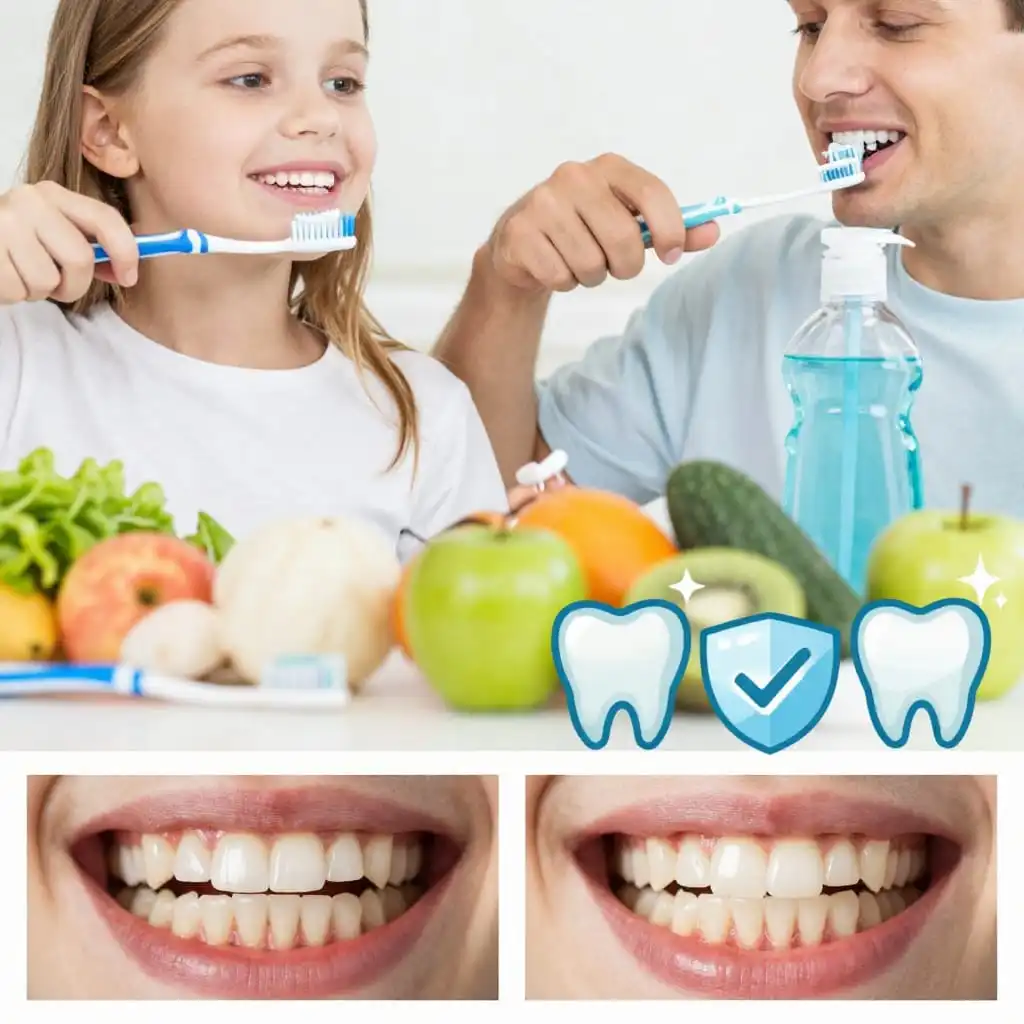
Cavities are common, but they’re not inevitable. The basics work: brush thoroughly twice a day with fluoride toothpaste, floss daily, eat and drink sugar and acid strategically, stay hydrated, and keep up with dental visits. None of this requires perfection. It requires consistency.
The mouth is forgiving when given the right conditions. Enamel remineralizes, saliva fights acid, and most early damage can be arrested or reversed before it becomes a problem. The goal isn’t a flawless record. It’s building habits that keep your teeth working well for the long haul.
Authoritative Sources
National Institute of Dental and Craniofacial Research (NIDCR) — Tooth Decay Overview Covers causes, risk factors, prevention, and treatment of dental caries from the NIH’s dental research branch. https://www.nidcr.nih.gov/health-info/tooth-decay
Centers for Disease Control and Prevention (CDC) — Oral Health National oral health data, fluoride recommendations, and prevention guidelines for both children and adults. https://www.cdc.gov/oralhealth/
Mayo Clinic — Cavities/Tooth Decay: Symptoms and Causes Patient-oriented overview of cavity formation, risk factors, and prevention strategies. https://www.mayoclinic.org/diseases-conditions/cavities/symptoms-causes/syc-20352892
PubMed — Xylitol and Dental Caries Prevention (Mickenautsch S, Leal SC, Yengopal V, et al.) Peer-reviewed research on xylitol’s role in reducing cariogenic (cavity-causing) bacterial activity. https://pubmed.ncbi.nlm.nih.gov/17563449/
World Health Organization (WHO) — Oral Health Fact Sheet Global context on oral disease burden, risk factors, and evidence-based prevention strategies. https://www.who.int/news-room/fact-sheets/detail/oral-health
Note:
This article is for informational purposes only and does not constitute medical or dental advice. Everyone’s oral health situation is different, and you should consult a qualified dental or healthcare provider for guidance specific to your needs.