
How Many Hours of Sleep Do Women Need?
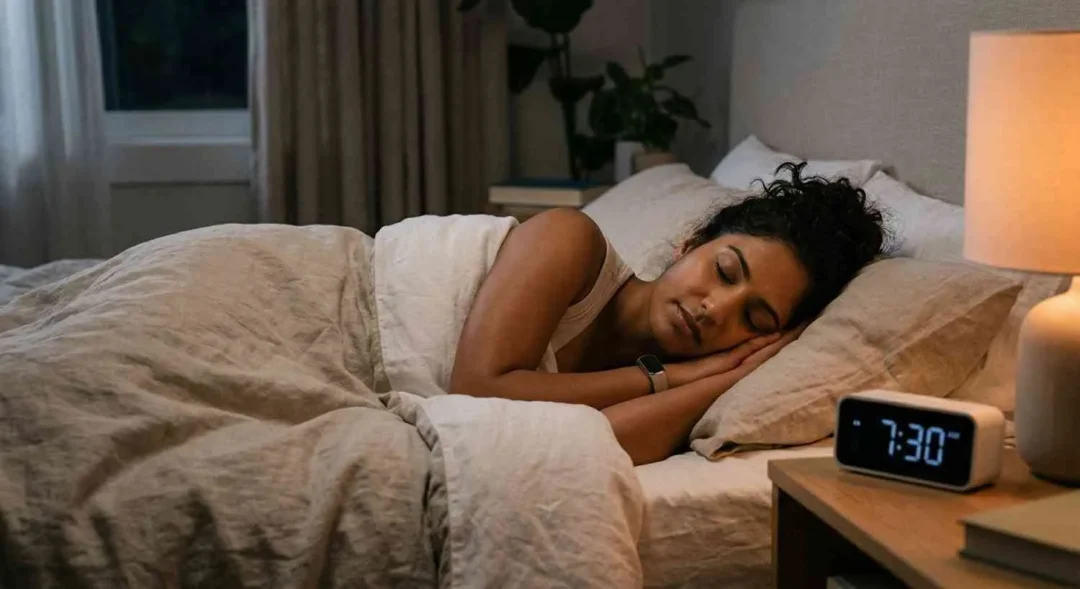
Most people think the answer is obvious. Eight hours. Done. But if you’ve ever slept a full eight hours and still felt like you’d been hit by a bus the next morning, you already know that something about that simple answer doesn’t quite hold up.
Sleep science has gotten a lot more specific over the past few decades, especially when it comes to women. Hormonal changes, life stage shifts, and the way stress lingers in the brain at night all affect how women sleep in ways that are genuinely distinct from men’s experiences. Not better or worse, just different in ways that are worth knowing about.
So what does the research actually say?
The Official Recommendation (And Why It’s Only Part of the Answer)
The Centers for Disease Control and Prevention and the National Sleep Foundation both recommend that adults get between 7 and 9 hours of sleep per night. That applies to both men and women. Most healthy adults find their best functioning somewhere in that range.
But here’s the thing. “Recommended range” and “what your particular body needs tonight” are not the same number.
Some people wake up genuinely refreshed after 7 hours. Others are foggy and irritable until they’ve had closer to 9. Neither group is doing anything wrong. Sleep need varies between individuals the same way metabolism or pain tolerance does. The right amount is personal.
Within that variation, though, research does suggest that women tend to need slightly more sleep than men on average. Multiple studies have pointed in this direction, and scientists have a few well-supported explanations for it.
Why Women May Need More Sleep Than Men
The Brain Keeps a Running Tab
One of the leading theories comes from research by sleep scientist Jim Horne and his team at Loughborough University. Their findings suggest that women, on average, do more multitasking and sustained complex thinking during the day than men. Since sleep is partly when the brain repairs and reorganizes itself, a brain that’s been working harder during waking hours may simply need more time to recover overnight.
This has nothing to do with intelligence. It’s about workload. The more demands placed on the brain during the day, the longer and deeper the recovery process tends to be.
Hormones Affect More Than You’d Think
Women’s sleep is regulated more tightly by hormonal cycles than most people realize. Estrogen and progesterone both shape what researchers call sleep architecture, which refers to the internal structure of a night’s sleep: the amount of time spent in light sleep, deep sleep, and REM sleep.
Progesterone rises after ovulation and has a mild sedating effect. Then, in the days before a period, it drops sharply. That drop is why many women notice broken sleep, unusually vivid dreams, or waking up at 3 a.m. with no clear reason. It’s not random. It tracks directly with documented hormonal changes during the luteal phase of the menstrual cycle.
Estrogen plays a separate but equally important role. It helps regulate body temperature during sleep, which is one of the key biological signals that keeps sleep continuous through the night. When estrogen levels fall, as they do significantly during perimenopause and menopause, night sweats and hot flashes become common sleep disruptors. The hormonal shift causes the disruption, and the disruption then compounds everything else.
Pregnancy Is Its Own Category
Sleep needs increase during pregnancy, often substantially. First-trimester fatigue is one of the most well-documented symptoms of early pregnancy, driven largely by the surge in progesterone. As the pregnancy continues, physical discomfort, frequent trips to the bathroom, and the challenge of finding a comfortable sleeping position all erode sleep quality in ways that are hard to compensate for.
After delivery, the problem shifts but doesn’t disappear. New mothers typically get less total sleep, but what affects them most is the fragmentation. Being woken repeatedly prevents the brain from completing full sleep cycles, which is where the deep restorative work happens. Research consistently connects postpartum sleep disruption with a higher risk of postnatal depression. That connection makes clear that sleep quality during this period isn’t a minor comfort issue.
How Sleep Needs Shift Across a Woman’s Life
Sleep isn’t a fixed need. It responds to biological milestones in ways that are worth understanding.
Teens and young adults. Adolescent girls typically experience a biological delay in their internal clock, meaning their bodies naturally push toward later bedtimes and later wake times. This is a real physiological phenomenon, not a motivation problem. Sleep needs during the teenage years are higher than in adulthood, sitting between 8 and 10 hours per night.
Reproductive years. Monthly hormonal cycles create a moving target. Many women find their sleep is noticeably better during certain phases of their cycle and reliably worse during others. Keeping loose track of this isn’t excessive. It can help distinguish a genuine pattern from what might otherwise feel like unpredictable bad luck.
Perimenopause. This transition can start as early as the mid-40s, and sleep disruption is often one of its first signals, showing up before other symptoms become obvious. Waking up overheated, feeling anxious at night for no clear reason, or lying in bed for eight hours and still feeling tired are all common early experiences. Sleep complaints rank among the most frequently reported symptoms of perimenopause.
Postmenopause. Sleep tends to stabilize for many women once the hormonal turbulence of perimenopause settles. For others, chronic insomnia takes hold and requires more active management. The pattern varies significantly from person to person.
What Disrupts Women’s Sleep More Than Men’s
A handful of factors consistently affect women’s sleep quality at higher rates, regardless of age or life stage.
Anxiety and depression. Both conditions are diagnosed in women at roughly twice the rate of men, and both significantly impair sleep. Anxiety tends to make it hard to fall asleep in the first place. Depression more often produces early morning waking, or at the other end, excessive sleeping that still leaves people feeling unrested. The relationship also runs in reverse: poor sleep makes both conditions worse, which then makes sleep worse again. It can become a difficult cycle to break without addressing both sides.
The mental load of household management. Research has found that people who carry a high share of household mental labor, keeping track of appointments, managing schedules, thinking through meals and logistics, are more prone to pre-sleep cognitive arousal. That’s a clinical term for what most people would describe as lying in bed unable to stop thinking. The brain simply hasn’t released the day’s obligations.
Underdiagnosed sleep disorders. Restless leg syndrome and sleep apnea are both more common in women than was historically recognized. Sleep apnea in particular has long been associated with loud snoring in men, which led to decades of underdiagnosis in women. In women, the condition more often presents as persistent fatigue, morning headaches, and insomnia rather than obvious breathing disruptions. Many women go years without a diagnosis.
Signs That You’re Not Getting Enough Sleep
Some of the signals are obvious. Others are easy to explain away.
- You can’t wake up without an alarm even after spending 7 or more hours in bed
- You depend on caffeine to get through the afternoon on most days
- You react emotionally to situations in ways that feel bigger than they should
- Concentrating or making small decisions takes noticeably more effort than usual
- You get sick more often than you used to
- You find yourself craving carbohydrate-heavy or high-fat foods, especially in the evenings
- You fall asleep easily whenever you sit still for more than a few minutes
Any one of these on its own might mean nothing. Several of them showing up regularly, though, point toward sleep that isn’t meeting what your body actually needs.
Sleep Quality vs. Sleep Quantity
This distinction matters more than most people give it credit for.
It’s entirely possible to spend nine hours in bed and wake up feeling like you barely slept. That happens when sleep is fragmented or skewed toward lighter stages. A full night of sleep runs through multiple 90-minute cycles, each cycling through light sleep, deep sleep, and REM sleep. Anything that interrupts those cycles, a partner’s movement, a phone notification, a hot flash, a full bladder, reduces the time spent in the more restorative phases.
Deep sleep, sometimes called slow-wave sleep, is where physical repair happens. Immune function, tissue recovery, and hormone regulation all depend heavily on it. REM sleep is where the brain processes emotions, consolidates memories, and carries out what some researchers describe as overnight emotional maintenance. Women generally get more slow-wave sleep than men, which may be part of why women tend to remember their dreams more vividly and more often.
Sleeping longer but shallowly is not the same as sleeping well. Both duration and continuity matter.
Habits That Actually Support Better Sleep
Rather than repeating every standard piece of sleep advice, here are the habits with the strongest research support and the most direct relevance to the sleep challenges women commonly face.
Keep a consistent schedule, even on weekends. Going to bed and waking at roughly the same time daily is one of the most reliable ways to stabilize the internal clock. Irregular timing throws off the circadian rhythm in ways that aren’t easily fixed by sleeping in on Saturday.
Keep the bedroom cool. A room temperature around 65 to 68 degrees Fahrenheit supports the body’s natural core temperature drop that accompanies sleep onset. For women in perimenopause, this matters even more. Light, breathable bedding also helps.
Better sleep might be closer than you think. See how SleepLean can help.
Pay attention to your cycle. If you notice consistent sleep trouble at particular points in your menstrual cycle, that pattern is useful information. Cutting back on caffeine and alcohol during the luteal phase, roughly the two weeks before your period, can reduce disruption during an already vulnerable window.
Be honest about alcohol’s effect on sleep. Alcohol makes falling asleep easier in the short term. It also significantly disrupts REM sleep in the second half of the night, often without waking you fully. More alcohol generally produces less restorative sleep, even when the total hours look fine.
Offload the mental to-do list before bed. For women who lie awake replaying obligations and unfinished tasks, spending a few minutes before bed writing everything down on paper (not a phone screen) can help the brain release what it’s been holding. It’s a simple habit backed by a decent body of research on pre-sleep rumination.
When to See a Doctor
Bad nights happen. A stretch of poor sleep during a stressful period is completely normal. Persistent, chronic sleep difficulty is a different matter, and it doesn’t have to be something you just push through.
Talk to a healthcare provider if you regularly take more than 30 minutes to fall asleep, wake up multiple times during the night, wake significantly earlier than intended and can’t get back to sleep, or consistently feel unrefreshed regardless of how many hours you’ve logged.
Insomnia disorder, restless leg syndrome, and sleep apnea are all real medical conditions with real treatment options. Sleep apnea especially tends to go unrecognized in women for years. If you snore, wake with headaches, or feel persistently exhausted despite getting what should be enough sleep, it’s worth bringing up with your doctor.
Frequently Asked Questions
Do women actually need more sleep than men?
Research does suggest women need slightly more sleep on average, though the gap is modest rather than dramatic. Factors like greater daily cognitive workload and the influence of reproductive hormones on sleep architecture both appear to contribute. The general recommendation of 7 to 9 hours applies to both sexes, and individual variation within that range is considerable.
Does sleep need change during pregnancy?
Yes, and significantly. Fatigue is one of the most common early pregnancy symptoms, driven partly by progesterone. Sleep quality tends to decline as pregnancy progresses due to physical discomfort and frequent waking. Getting more rest during pregnancy is both normal and necessary.
Why do I sleep so poorly before my period?
The sharp drop in progesterone and estrogen in the days before menstruation disrupts the normal structure of sleep. The result is often lighter, more fragmented sleep, more vivid dreams, and waking in the middle of the night. It’s a documented hormonal pattern rather than a disorder or a sign something is medically wrong.
Does sleep change as I get older?
Sleep structure does shift with age. Older adults tend to spend less time in deep sleep, wake more easily during the night, and often move toward earlier sleep and wake times. Total sleep need doesn’t necessarily increase with age, but sleep efficiency typically decreases, meaning more time in bed may be needed to achieve the same quality of rest.
Can weekend sleep make up for a sleep-deprived week?
Partially. Some of the cognitive effects of sleep deprivation can recover with extra sleep. But accumulated sleep debt from a full week doesn’t fully clear over a weekend. Consistent nightly sleep is far more effective than compensating in large doses at the end of the week.
How do I know if I might have sleep apnea?
In women, sleep apnea often presents differently than in men. Rather than obvious snoring and gasping, women more commonly report persistent fatigue, morning headaches, poor concentration, and insomnia. If those symptoms sound familiar despite getting enough hours in bed, it’s worth mentioning to a doctor. A sleep study is the standard diagnostic tool.
Closing Thoughts
Sleep isn’t optional, and it isn’t something to push through until life gets less busy. It’s the foundation that everything else depends on: mood stability, immune function, hormonal regulation, cardiovascular health, and clear thinking.
Women face a distinct set of biological factors that shape their sleep across every stage of life. Understanding those factors isn’t about making sleep more complicated. It’s about taking it seriously enough to actually get it right. Most sleep problems, even long-standing ones, are addressable. You don’t have to keep feeling this tired.
Authoritative Sources
Centers for Disease Control and Prevention, Sleep and Sleep Disorders: Public health data on sleep duration recommendations and sleep-related health outcomes. https://www.cdc.gov/sleep/index.html
National Heart, Lung, and Blood Institute (NIH), Sleep Deprivation and Deficiency: Overview of what sleep deprivation is, who is most at risk, and the health consequences of inadequate sleep. https://www.nhlbi.nih.gov/health/sleep-deprivation
NIH National Institute on Aging, A Good Night’s Sleep: Covers how sleep changes with age, common sleep problems in older adults, and evidence-based management approaches. https://www.nia.nih.gov/health/sleep/good-nights-sleep
PubMed, Sex and Gender Differences in Sleep Health (Mallampalli and Carter, 2014): Peer-reviewed research on biological and social contributors to sleep differences between men and women. https://pubmed.ncbi.nlm.nih.gov/28209172/
Mayo Clinic, Insomnia: Clinical overview of insomnia causes, risk factors, and treatment, including the role of hormonal changes. https://www.mayoclinic.org/diseases-conditions/insomnia/symptoms-causes/syc-20355167
National Sleep Foundation, How Much Sleep Do We Really Need: Evidence-based sleep duration recommendations organized by age group. https://www.sleepfoundation.org/how-sleep-works/how-much-sleep-do-we-really-need
Note:
This article is for informational purposes only and is not a substitute for professional medical advice. If you have concerns about your sleep or your health, please speak with a qualified healthcare provider who can give guidance based on your specific situation.