
Quietum Plus Review: What the Formula Shows and What the Evidence Says
ThinkHealthTips may earn a commission if you purchase through links on this page, at no additional cost to you. This does not affect our editorial conclusions.
Quick answer
Quietum Plus is sold as a once-daily capsule for ear ringing and hearing support, but we could not confirm its current formula. Sources we found disagree on the ingredients, and none gave verified amounts. A major US clinical guideline advises clinicians not to recommend dietary supplements for persistent bothersome tinnitus, and we did not identify finished-product trials.
Evidence snapshot
- Evidence for key ingredients: Not assessable; the ingredient list could not be confirmed
- Finished-product evidence: Not identified in sources reviewed
- Transparency: Formula conflicts across sources; amounts not verified; testing not verified
- Main caution: Safety depends on which formula is real, and some ingredients reported in it carry specific cautions
How we review this product
We compare the label, if available, with sales-page claims and authoritative health sources. This page could not use a label, which limits it. Our approach is explained in our Supplement Review Methodology.
Medical review: This article has not been independently reviewed by a medical professional. It was researched using publicly available scientific literature, authoritative health sources, and product information. It is for general education and is not a substitute for individualized medical advice.
What is Quietum Plus?
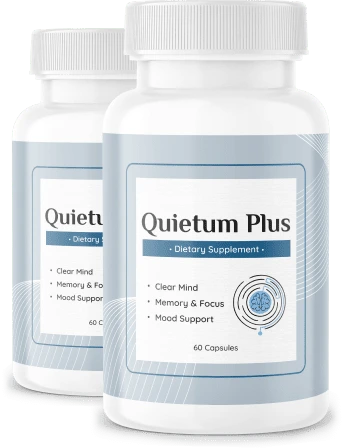
Quietum Plus is a dietary supplement marketed for tinnitus relief and hearing support. The name is also used by several similar-looking sites and listings. describes a different product with turmeric, magnesium, vitamin C, and vitamin D, so the name alone does not identify a formula. If you want to see the maker’s current label, the official product page (affiliate link) is the place to start, but read the panel there yourself, because we could not confirm it.
Ingredients and formula: sources disagree
We found no label or official panel we could verify. These are the descriptions we retrieved, all of which are claims or secondary reports rather than a tier-1 source.
| Source | Ingredients described | Amounts |
|---|---|---|
| UK tinnitus charity page (older) | Yam, fenugreek, dong quai, L-tyrosine, motherwort, black cohosh, oat grass, kelp, blessed thistle, hops | Not given |
| Sales site (quietum-plus.us) | An 18-ingredient formula including ginkgo, dong quai, mucuna, ashwagandha, maca, L-arginine, piperine | Not given |
| Independent explainer | Epimedium, tribulus, catuaba, dong quai, ashwagandha, ginger, maca, mucuna, ginkgo and others, in a proprietary blend with undisclosed doses | Undisclosed |
| Review site (suppfiles.com) | Reports a panel led by red clover, sage, black cohosh, dong quai and licorice | Reports figures we could not verify: Quietum Plus – Tinnitus UK +2 |
The lists do not match. Because we could not tell which one reflects a current label, we report no amounts and make no dose judgments. Any ingredient table in this review would have to be rebuilt from the real Supplement Facts panel. [VERIFY: formula version, panel, blend structure]
Does Quietum Plus work? Evidence for the finished product
We did not identify product-specific clinical evidence in the sources reviewed. The wider evidence on supplements for tinnitus is more useful. The American Academy of Otolaryngology-Head and Neck Surgery Foundation’s guideline tells clinicians not to recommend ginkgo, melatonin, zinc,c or other dietary supplements for persistent, bothersome tinnitus. That guideline focuses on tinnitus lasting six months or longer. The American Tinnitus Association says ginkgo trials have produced conflicting results, some positive and some with no effect. entnetata
That does not prove no ingredient can ever help, and the evidence also does not support a claim that this product reduces tinnitus. It is regulatory and guideline context, not a trial of Quietum Plus.
Manufacturer claims versus independent evidence
The makers’ main claim, as quoted by a UK tinnitus charity, is that the product counters oxidative damage behind age-related hearing loss. The same page states that it found no evidence that known components are effective for tinnitus or any other medical condition, which is an older and formula-specific view. We did not find an independent study of the finished product. Sales-page statements about “natural,” “FDA-registered,d” and “GMP-certified” manufacturing are claims we could not verify. tinnitus
Is it safe? Side effects and interactions
Safety cannot be assessed without a confirmed formula. Cautions attached to some reported ingredients include:
- Ginkgo (reported on some lists). The American Tinnitus Association notes people with seizures or bleeding disorders should not use ginkgo. If you take blood thinners, ask a pharmacist first. ata
- Older formula description. The UK charity page notes motherwort can induce miscarriage, black cohosh can affect liver function, and kelp can affect thyroid function. We could not confirm those ingredients are in the current product. tinnitus
- Pregnancy, nursing, medication, and existing conditions. Check with a physician or pharmacist before using any multi-herb supplement.
Persistent tinnitus deserves proper evaluation. Talk with a physician or audiologist rather than relying on a supplement, especially if the ringing is new, one-sided, or comes with hearing loss.
Transparency and third-party testing
We found no panel we could verify, no certificate from a recognized testing program, and no public lab report. Sales pages claim a US facility that is FDA-registered and GMP-certified. Those are manufacturer statements, and a facility registration describes a facility rather than product approval.
Scope note. This review addresses the US market. Regulatory treatment of supplements differs by country, so readers elsewhere should check their own regulator. US: The American Tinnitus Association states that the FDA has not approved any dietary supplements for treating tinnitus. We could not verify FDA warnings or recalls for this product from an official source. [UNVERIFIED / EDITOR REVIEW REQUIRED] Regulatory status is not evidence of effectiveness. ata
Price, subscription, shipping and refund
We could not verify current pricing or terms. One sales site advertises a 60-day money-back guarantee, which we treat as an unverified claim. Terms change, so confirm the current price and terms (affiliate link) and note the date you checked.
What we could verify and what remains uncertain
Verified: supplement advice in the AAO-HNSF guideline, reported through retrieved sources; the conflict between formula descriptions.
Not verified: the real formula, amounts, manufacturer, testing, price, refund, and any FDA action.
Who may want to consider it and who should use caution
Anyone considering it should treat it as unproven for tinnitus. People who take prescription drugs or blood thinners, have seizure or bleeding disorders, liver or thyroid conditions, or are pregnant or nursing should check with a physician or pharmacist first, because the formula is unconfirmed and several reported ingredients carry cautions.
Final evidence-based assessment
The evidence does not support the claim that Quietum Plus relieves tinnitus. We found no finished-product trials, the formula could not be confirmed, and a major clinical guideline advises against recommending supplements for persistent bothersome tinnitus. Transparency is limited because sources disagree on the ingredients and no amounts were verifiable. Before buying, compare the label on the official product page (affiliate link) with the descriptions above, especially which ingredients are listed and whether amounts are disclosed.
Frequently asked questions
What is in Quietum Plus?
Sources disagree. We found lists featuring dong quai, ashwagandha, mucun, and ginkgo on some pages, and black cohosh, kelp, and fenugreek on others. We could not verify a current panel, so check the label on your bottle.
Does Quietum Plus cure tinnitus?
We did not identify evidence that it does. A US clinical guideline advises clinicians not to recommend dietary supplements for persistent bothersome tinnitus.
Is Quietum Plus FDA approved?
The American Tinnitus Association says the FDA has not approved any supplement for tinnitus. We could not verify the product’s FDA status ourselves.
Is there a different “Pro Ear Quietum Plus”?
Yes. An Amazon listing under that name describes a product with turmeric, magnesium, and vitamins, so confirm which product you are looking at.
References
- AAO-HNSF. Clinical Practice Guideline: Tinnitus, press release and fact sheet. https://www.entnet.org/resource/aao-hnsf-cpg-tinnitus-press-release-fact-sheet/ (retrieved October 3, 2026).
- American Tinnitus Association. Is There a Magic Pill? https://www.ata.org/about-tinnitus/is-there-a-magic-pill/ (retrieved October 3, 2026).
- Tinnitus UK. Quietum Plus. https://tinnitus.org.uk/tinnitus-treatments/quietum-plus/ (retrieved October 3, 2026).


