
The Peanut Butter Pitfall: How to Choose a Keto-Friendly Jar (and What to Avoid)
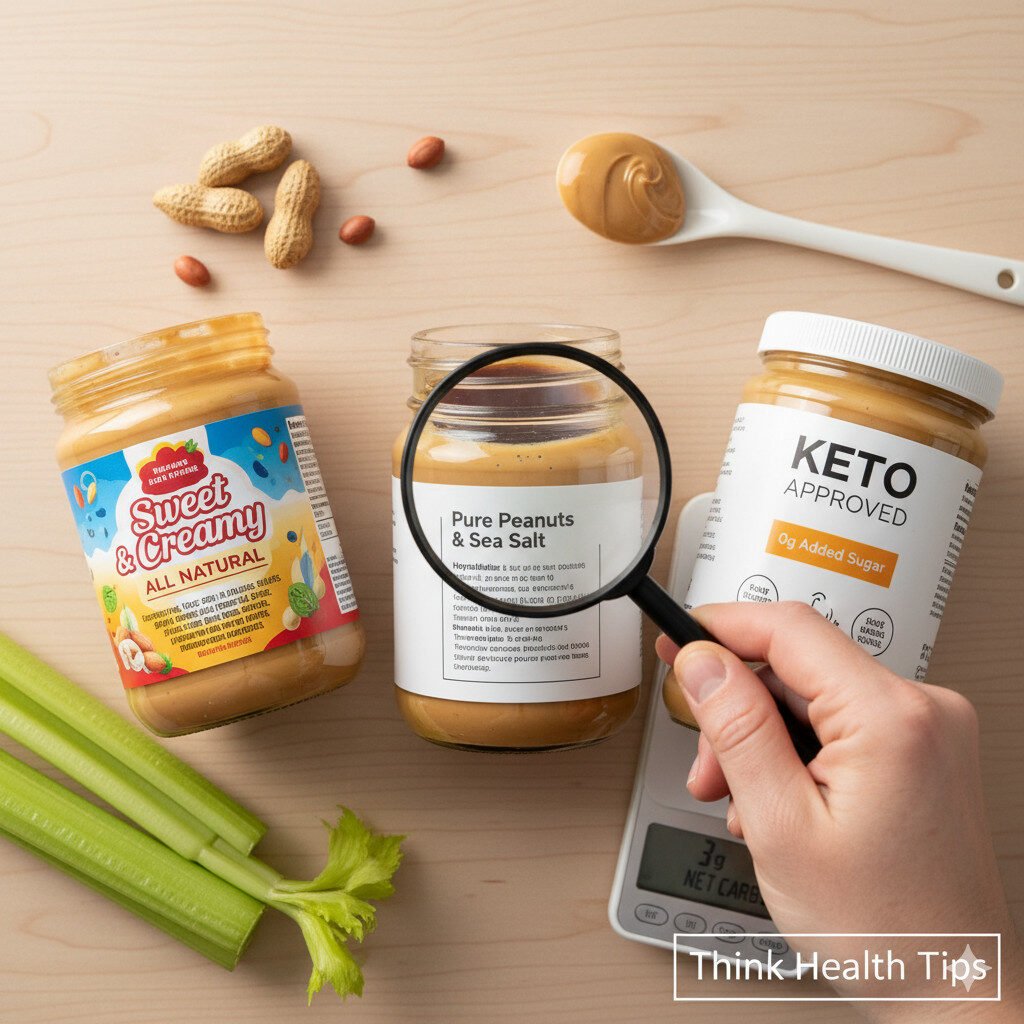
When you start the ketogenic diet, you quickly realize you have to say goodbye to a lot of comfort foods. But one item causes more debate and heartache than almost any other: peanut butter.
The creamy, satisfying spread seems like a perfect match for keto. After all, it’s loaded with healthy fats, right? The short answer is yes, keto-friendly peanut butter does exist, but the jar sitting in your pantry right now is probably a trap. Traditional, major-brand peanut butter is packed with hidden sugar that can silently sabotage your progress.
For anyone who relies on quick, easy snacks, losing this pantry staple feels like a major pain point. We want to enjoy the flavor we love without worrying about getting kicked out of ketosis.
This guide is your solution. We’re going to show you exactly how to read a nutrition label like a pro, what three ingredients you must avoid, and how to safely enjoy this favorite food without ruining your daily carb budget.
The Keto Carb Count Conundrum: Why Peanut Butter Is a “Maybe” Food
On the ketogenic diet, every single gram of carbohydrate counts. If you’re aiming for 20 grams of net carbs per day, the typical strict limit, a couple of tablespoons of the wrong food can use up half your budget.
This is where traditional peanut butter becomes a pitfall.
Why Traditional Peanut Butter Is a Keto Trap
Most people don’t realize the biggest difference between brands isn’t whether it’s creamy or crunchy—it’s the added sugar.
Imagine you grab a spoonful of a popular commercial brand like Jif or Skippy. A standard two-tablespoon serving often contains around 7 grams of total carbohydrates.
When you look closely at the label, you might see that 3 or 4 of those grams are from added sugar. That small scoop just cost you almost 20% of your entire daily carb limit, and you haven’t even had breakfast yet!
This is a major frustration for dieters. You think you’re choosing a healthy fat source, but you’re actually getting a dose of refined sugar disguised as a savory snack. The high fat content is great, but the hidden carbs are the problem.
The Serving Size Illusion
Another major pain point for peanut butter lovers is the tiny serving size. Two tablespoons (about the size of a golf ball) often looks like a meager amount when you’re craving a fatty snack. It is extremely easy to over-pour and turn your 7-gram carb snack into a 15-gram carb meal, pushing you right out of the fat-burning state of ketosis.
For a solution-oriented keto plan, you need predictable, low-carb ingredients. Traditional peanut butter is simply too risky for consistent use.
The Legume vs. Nut Debate (A Quick Clarity Check)
We need to clear up one piece of nutrition jargon: technically, the peanut is a legume, like beans or lentils, not a tree nut. Many strict keto or Paleo followers avoid legumes.
However, peanuts have a macronutrient profile that is unique among legumes. They are primarily fat (around 50%), with moderate protein and fiber, and a relatively low overall carbohydrate count. Because of this high-fat content, peanuts and peanut butter are generally allowed on the keto diet, provided they are unsweetened. Don’t worry about the botany; focus on the macros.
The Keto-Friendly Jar Checklist: 3 Ingredients You Must Check
To safely include peanut butter in your diet, you must become a label detective. Never assume a jar is safe just because it says “natural.” You need to look for specific clues.
Rule #1: Peanuts and Salt. That’s It.
The secret to choosing a safe keto peanut butter is simplicity. The ingredient list should be short and boring.
The Golden Standard: Your ingredient list should only say:
- Peanuts
- Salt (Optional)
If you see anything else, stop. The longer the ingredient list, the higher the chance it includes carb-heavy fillers that you don’t want or need.
Actionable Tip: If the ingredients list is longer than three items, put the jar back. The ideal, keto-friendly jar should look separated with oil on top when you first open it. This messy separation is actually a good sign, proving that the manufacturers didn’t add stabilizers or extra oils to blend it. You simply stir it yourself, refrigerate it, and enjoy.
Rule #2: Eliminate Added Sugars (The #1 Offender)
This is where commercial peanut butter ruins the keto fun. Manufacturers add sugar to appeal to the mass market taste, and they don’t always call it “sugar.”
Be a Sugar Detective: Look for these common sugar alias names on the ingredient label:
- Dextrose
- Molasses
- Honey or Maple Syrup
- Corn Syrup Solids or High Fructose Corn Syrup
- Evaporated Cane Juice
The Goal: When you look at the Nutrition Facts panel, you must aim for 0g of “Added Sugars” per serving.
If the label shows 1g of added sugar, that doesn’t sound like much. But remember that 1g of sugar is 4 calories of pure carbohydrate. Over a week, those small grams add up, creating a constant challenge to keep your body in ketosis. Sticking to 0g of added sugar is the only way to make this snack truly reliable for your fat-burning goals.
Rule #3: Say No to Hydrogenated Oils
While hydrogenated oils don’t necessarily raise the carb count, they are added to stabilize the peanut butter and prevent the oil from separating. These oils (often soybean or rapeseed oil) are highly processed fats.
For the vast majority of keto dieters focused on health, clean eating, and reducing inflammation, highly processed oils are undesirable. The whole point of keto is to switch to high-quality, healthy fats.
How to Choose:
- The Best: Choose natural, “stir” varieties where only peanuts and salt are listed.
- The Acceptable: Some no-stir varieties use palm oil as a stabilizer. Palm oil is a saturated fat that is widely considered more keto-compliant than hydrogenated vegetable oils. Check the label, but prioritize the lowest net carb count first.
Finding the Best Keto Peanut Butter Brands (A Quick Guide)
Now that you know how to read the labels, let’s look at what to expect when you’re standing in the grocery store aisle. You are looking for products that maximize fat and minimize net carbs.
Here is a breakdown of common categories and their typical macronutrient profiles per two-tablespoon serving:
| Brand Type | Net Carbs (per 2 Tbsp) | Added Sugars | Key Takeaway |
| Traditional Brands (e.g., Jif, Skippy) | 5g – 6g | 3g – 4g | Too high in sugar. A major keto pitfall. |
| Simple Stir Brands (e.g., Smucker’s Natural) | 3g – 4g | 0g | Requires stirring, excellent clean ingredients. Low net carbs. |
| Single-Ingredient Brands (e.g., Crazy Richard’s) | 2g – 3g | 0g | The cleanest option. Best macro ratio for strict keto. |
| Keto/Low Carb Specialty Brands | 2g – 4g | 0g (Uses stevia/monk fruit) | Specifically designed to mimic traditional taste using safe sweeteners. |
Expert Recommendation: For the lowest net carb option, look for single-ingredient peanut butter. Since peanuts are legumes and naturally contain some carbohydrates, single-ingredient brands offer the best possible net carb ratio, usually keeping you between 2g and 3g of net carbs per serving. This gives you plenty of wiggle room for the rest of your daily carb budget.
Maximizing PB: Portion Control and Snack Ideas
You’ve found the perfect keto-approved jar. Congratulations! Now the second part of the “Peanut Butter Pitfall” comes into play: managing your consumption. Even a keto-friendly food can be over-eaten.
Measure Twice, Spread Once (Mastering Portion Control)
This is one of the toughest challenges on keto. Because peanut butter is so rich and satisfying, the urge to eat it straight from the jar is strong. But even with the best keto peanut butter (which has only 3g net carbs per two tablespoons), two extra scoops could cost you another 6g net carbs. That’s almost a third of your daily carb limit gone!
The Simple Rule: Always measure. Use a proper two-tablespoon measuring spoon and transfer your serving to a small dish or bowl. Put the jar away before you start eating the measured amount. This habit prevents accidental overconsumption and ensures you stay safely in ketosis.
Keto-Friendly Ways to Enjoy Peanut Butter
Peanut butter doesn’t always have to be eaten with a spoon. You can use its rich flavor and high-fat content to create amazing keto snacks that keep you full and satisfied.
- Keto Fat Bombs: Mix 1 tbsp of keto peanut butter with 2 oz of softened cream cheese, a dash of monk fruit sweetener, and a sprinkle of cinnamon. Roll it into balls and freeze. This creates a high-fat, satisfying dessert.
- Dippers and Spreads: Use it as a dip for crunchy, low-carb vegetables like celery, cucumber slices, or bell peppers. Avoid pairing it with high-carb foods like fruit or crackers.
- Keto Smoothies: Blend a scoop into a morning shake with unsweetened almond milk, spinach, and MCT oil. This boosts the fat content, making it a powerful energy source that keeps you full for hours.
- Savory Sauces: Use a small amount of PB, mixed with liquid aminos (or soy sauce substitute), sesame oil, and ginger, to create a delicious low-carb Thai peanut sauce for chicken or shirataki noodles.
These strategies help you incorporate the flavor you love while keeping your portion sizes exact and your carb count low.
Conclusion: Don’t Let Peanut Butter Sabotage Your Success
You asked if peanut butter is on the keto diet, and the answer is clear: it depends entirely on your discipline and your detective skills at the grocery store. The major pain points of keto are hidden carbs and uncontrollable cravings. By finding a single-ingredient, sugar-free, keto-friendly peanut butter and sticking to strict portion control, you solve both problems.
Remember the simple toolkit for success:
- Read the Label: Only peanuts and salt are allowed.
- Check the Macros: Aim for 2g to 3g net carbs per two tablespoons.
- Measure Everything: Never eat straight from the jar.
You don’t have to give up satisfying, delicious food to succeed on keto. You just need the right knowledge to navigate the aisles.
To get more expert nutrition breakdowns, meal plans, and solutions for controversial keto foods, subscribe to the Think Health Tips newsletter. We specialize in making your low-carb lifestyle simple and sustainable.
Looking for solutions to your next few meals? Download our free guides right now:
- Grab your full list of 25 keto meal recipes here
- Find quick, easy ideas with our keto lunch recipes guide!


