
10 Proven Benefits of Probiotics for Women’s Gut and Hormonal Health
Introduction
Have you ever felt like your own body was working against you? Maybe you constantly deal with that annoying, persistent bloat that just won’t go away. Perhaps you’re struggling with mood swings that feel out of control, or you battle recurring problems like yeast infections or urinary tract issues. If any of that sounds familiar, you aren’t alone. These daily struggles are common for women, and while they seem disconnected, they’re not.
The secret connection between your mood, your skin, your cycle, and your digestion is a complex, tiny world inside you: your gut microbiome. This collection of trillions of bacteria and other small organisms controls far more than just how you digest lunch. When this inner world is out of balance, your body throws up all sorts of frustrating red flags.
This is why finding the right Probiotic for Women is so important. Simply put, these helpful bacteria restore order and balance to your internal systems. While everyone benefits from good bacteria, women have unique biological needs, like the delicate balance of the vaginal microbiome and the constant shifts of the hormonal cycle, that make this supplement an even more essential tool.
The good news is that you can stop feeling like your health is a mystery. We’re going to dive deep into ten proven benefits of probiotics, focusing on the dual power they hold for improving both your digestive comfort and stabilizing your hormonal health. Let’s learn how to put the “good” back into your bacteria and start feeling better every day.
Probiotics and the Happy Gut
Your gut is often called your “second brain” because it influences everything from your immune system to your feelings. When your gut is happy, your entire body can function better. These five benefits show how probiotics create that foundation of digestive health.
1. Banish the Bloat and IBS Relief
Bloating is one of the most common and uncomfortable complaints, and women are far more likely than men to suffer from Irritable Bowel Syndrome (IBS). When the bad bacteria outnumber the good ones, a state called dysbiosis, it leads to poor digestion, increased gas production, and inflammation. This is often what causes that painful, swollen feeling after you eat.
Probiotics act like tiny workers that help efficiently break down food, especially complex carbohydrates that might otherwise ferment and cause gas. For women dealing with IBS, a condition characterized by cramping, abdominal pain, and abnormal bowel movements, specific strains like Bifidobacterium infantis and Lactobacillus plantarum have been studied for their ability to calm the gut lining, reduce pain signals, and bring the bacterial community back into balance. Adding a proven probiotic to your routine can significantly cut down on the frequency and severity of your bloating pain.
2. The Nutrient Absorption Boost
You aren’t just what you eat; you are what you absorb. Even if you eat the healthiest diet in the world, an unhealthy gut might prevent your body from fully using those vitamins and minerals. Think of your gut lining as a filter: when it’s stressed, the filter works poorly.
A healthy, probiotic-rich microbiome strengthens this filter. Your good bacteria actively help in producing and absorbing key nutrients. For example, they assist in making certain B vitamins (vital for energy and cell metabolism) and Vitamin K (important for blood clotting and bone health). By improving the environment inside your gut, probiotics ensure that the food you eat actually fuels your body, leading to better energy levels and overall vitality.
3. Guarding Against Antibiotic Damage
Antibiotics are life-saving medications, but they are indiscriminate killers. When you take an antibiotic, it wipes out the harmful, infection-causing bacteria, but it also destroys large numbers of your beneficial gut bacteria. This imbalance is why many people suffer from antibiotic-associated diarrhea (AAD) and, often, a secondary infection like a yeast overgrowth.
Taking a probiotic acts like a shield. When you’re on antibiotics, you should start a high-quality probiotic supplement, making sure to take it at least two to three hours apart from your antibiotic dose. This timing is crucial to give the probiotic a chance to colonize without being immediately wiped out. This simple preventative step protects your gut’s diversity and helps prevent uncomfortable side effects that can last long after your antibiotic course is finished.
4. Building a Stronger Immune System
Did you know that about 70% of your body’s immune cells are housed right in your gut? The connection between your digestion and your ability to fight off sickness is massive. Your gut lining is the body’s largest barrier against the outside world.
When your gut bacteria are balanced, they work in several ways to support your immunity:
- They strengthen the gut lining, preventing harmful invaders from crossing into your bloodstream.
- They produce natural compounds that actively fight against bad bacteria and pathogens.
- They communicate with your immune cells, essentially teaching them what to attack and what to ignore.
A daily dose of good bacteria means your immune system is better trained, better protected, and ready to respond more effectively to the common cold, flu, or other minor infections. This is a critical benefit for women who feel like they’re constantly getting run down.
5. The Prebiotic Partnership
To truly get the most out of your probiotics, you must understand their best friend: prebiotics. You can take all the good bacteria in the world, but if you don’t feed them, they cannot thrive.
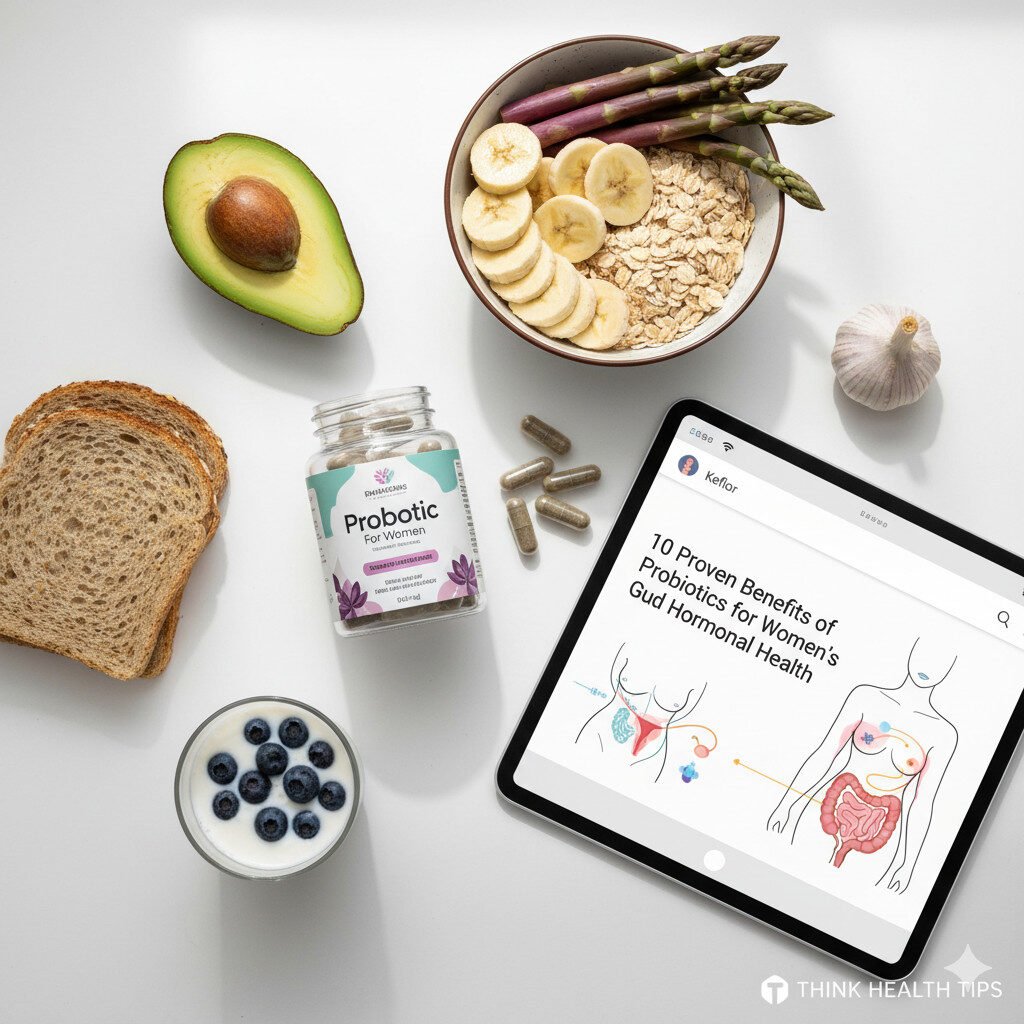
Prebiotics are non-digestible fibers found in certain foods that act as fertilizer for your probiotic bacteria. These are the food sources that allow the good microbes to grow, multiply, and become the dominant force in your gut.
You can find prebiotics naturally in whole foods like:
- Garlic and onions
- Bananas
- Oats
- Asparagus
- Apples
Focusing on a diet rich in these fibers, alongside a quality probiotic, ensures you aren’t just adding bacteria but building a thriving, self-sustaining internal ecosystem.
Probiotics and Hormonal/Feminine Balance
The benefits of probiotics extend far beyond the digestive tract. Women experience unique health issues tied to hormonal cycles and specialized microbiomes in the reproductive tract. These five points show how probiotics offer essential support for feminine balance and comfort.
6. Essential for Vaginal Wellness
For many women, a major pain point is the constant fight against recurring vaginal issues like Bacterial Vaginosis (BV) and yeast infections. The vaginal microbiome is a delicate ecosystem that must remain highly acidic to stay healthy. The primary gatekeepers of this acidity are a type of good bacteria called Lactobacillus.
When the levels of Lactobacillus drop, due to factors like antibiotics, menstruation, or hormonal shifts, the vaginal pH rises. This creates the perfect environment for harmful bacteria or yeast (Candida) to take over.
Probiotics, particularly strains like Lactobacillus acidophilus and Lactobacillus rhamnosus, are crucial here. Whether taken orally or vaginally, they travel to and colonize the area, producing the lactic acid needed to drop the pH and create an inhospitable environment for the pathogens that cause infections. Maintaining this balance is one of the most powerful and unique benefits of probiotics for women.
7. A Calmer, More Stable Mood
If you’ve ever felt “hangry” or noticed that stress immediately ties your stomach in knots, you’ve experienced the Gut-Brain Axis. This is simply a two-way communication road between your digestive system and your brain, using the Vagus nerve and chemical signals.
Your gut bacteria are actually tiny chemical factories. They produce over 90% of the body’s serotonin, a key “feel-good” chemical, and they also help make GABA, which is known for its calming effects.
When your gut is inflamed or unbalanced, this chemical production is disrupted. This disruption can intensify anxiety, increase your sensitivity to stress, and worsen the mood swings often experienced during PMS or hormonal changes. By calming inflammation in the gut, probiotics help stabilize this chemical balance, leading to a generally calmer, more stable mood and better emotional resilience.
8. Potential Support for Weight Management
The link between gut health and body weight is one of the most exciting areas of research. While probiotics aren’t a miracle diet pill, they are a powerful supportive tool for weight management.
The gut microbiome plays a role in how your body handles and stores fat, how many calories you absorb from food, and how your body responds to hormones that control appetite. Specifically, a healthy microbiome can help regulate Leptin, often called the satiety or fullness hormone. When the gut is working optimally, the signals for fullness are clearer and more timely.
Studies have shown that certain probiotic strains can help break down bile in the gut, and others have been linked to slight decreases in body fat storage. For women focusing on a holistic approach to maintaining a healthy weight, optimizing the gut is an essential piece of the puzzle.
9. The Clear Skin Connection
Do you find that your skin breaks out at predictable times of the month, or that flares of eczema seem linked to periods of stress or digestive upset? This is the Gut-Skin Axis in action.
Skin issues like hormonal acne, eczema, and rosacea are often symptoms of systemic inflammation. And where does inflammation often start? In the gut. If the gut lining is damaged (leaky gut), partially digested food particles and bacterial toxins can slip into the bloodstream. This triggers an immune response that shows up on your skin.
By reducing gut inflammation and helping to heal the gut lining, probiotics can calm this internal immune response. For many women, treating the underlying gut imbalance with probiotics leads to a visible improvement in skin clarity, fewer hormonal breakouts, and a reduction in the redness and irritation caused by chronic skin conditions.
10. Supporting Urinary Tract Health
Urinary Tract Infections (UTIs) are another painful, recurring issue that affects women far more than men, primarily due to anatomy. UTIs occur when harmful bacteria, typically E. coli, travel from the digestive tract and colonize the urinary tract.
The good bacteria in your gut and vagina form the body’s first line of defense. By maintaining a strong, balanced population of helpful bacteria, probiotics help crowd out the bad bacteria before they ever get a chance to cause a problem.
Probiotic strains like Lactobacillus work to create a healthy environment that stops E. coli from sticking to the lining of the urinary tract. For women prone to recurring UTIs, establishing and maintaining a robust microbiome is a crucial preventative strategy for long-term comfort and health.
Choosing Your Probiotic: Actionable Advice
Now that you know the amazing benefits, how do you choose the right probiotic? It’s easy to get lost in all the labels, but here are three simple steps for women to follow:
A. Look for Specific Strains
Don’t just look for the word “probiotic.” Look for specific strain names that match your goals.
- For Vaginal and UTI Support: Look for formulas with high amounts of Lactobacillus rhamnosus, Lactobacillus reuteri, or Lactobacillus crispatus.
- For Bloating and IBS: Look for blends containing Bifidobacterium infantis and Lactobacillus plantarum.
- For General Wellness/Immunity: Look for a broad-spectrum blend containing multiple Lactobacillus and Bifidobacterium species.
B. CFU Count Matters
CFU stands for Colony Forming Units, which is the number of live, active bacteria in each serving. For general daily maintenance, look for a product that offers at least 10 to 20 billion CFUs. If you’re dealing with an acute issue, like severe bloating or antibiotic recovery, you may want to temporarily jump up to a higher potency of 50 to 100 billion CFUs. Always check the CFU count at the time of expiration, not just at the time of manufacture.
C. Quality and Sourcing
Probiotics are delicate and must survive manufacturing, shipping, stomach acid, and shelf life.
- Storage: Decide if you prefer shelf-stable or refrigerated. Refrigeration often ensures higher potency.
- Delivery: Look for capsules that are designed to be “delayed-release” or “enteric-coated.” This protects the bacteria from stomach acid, ensuring more of the helpful bacteria make it all the way to your intestines where they can work their magic.
- Third-Party Testing: Look for symbols or mentions of third-party testing on the label. This confirms that what the label promises is actually what is inside the bottle.
Conclusion and Next Steps
Probiotics are much more than a gut health trend. They are a powerful, foundational tool for women to take control of their most frustrating and common health issues, from digestive discomfort and immune function to recurring infections and hormonal balance. By choosing the right strains and making consistent use part of your routine, you are investing in a happier, healthier future for your whole body.
We encourage you to prioritize your internal balance today. For more health and wellness ideas, and to discover the best supportive products for women’s health, visit Think Health Tips and subscribe to our newsletter! Start your journey to balanced health now.