
Cardio Slim Tea Review: What the Evidence Actually Shows
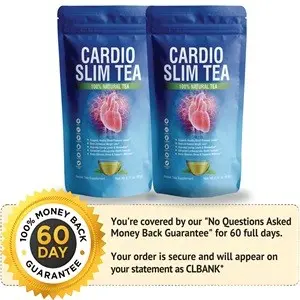
Cardio Slim Tea is a caffeine-free herbal tea blend sold online through ClickBank, marketed as support for heart health, healthy blood pressure, and weight management. It’s built around a “homocysteine” mechanism story and a 15-ingredient blend. Before getting into the ingredients, it’s worth saying plainly what we found: no independent, product-specific evidence, a marketing narrative that can’t be verified, and directions that conflict from one official-looking page to the next. That’s the honest starting point for this review — not a footnote at the end of it.
How We Evaluated This Product
This review follows our Supplement Review Methodology: extracting the brand’s actual claims, comparing each ingredient to its studied dose and form, checking for product-specific clinical evidence, reviewing safety and interaction data, and scoring transparency of sourcing and label information. Where a product has no independently verifiable data behind a claim — as is largely the case here — that gap is reported rather than filled in with assumptions.
What Is Cardio Slim Tea?
The product is a loose-leaf or tea-bag blend, steeped and drunk one to four times a day depending on which official-style page you land on (more on that below). It’s marketed as non-GMO, soy-free, dairy-free, and made in an FDA-registered, GMP-certified facility.
A quick clarification worth repeating: “FDA-registered facility” means the manufacturing site follows Good Manufacturing Practice rules for cleanliness and consistency. It says nothing about whether the finished tea works. No dietary supplement is “FDA-approved” to treat or prevent disease, and Cardio Slim Tea is no exception.
View the product information and current terms →
The Ingredient List
According to product pages: beetroot powder, decaffeinated green tea, hibiscus flowers, ginger root, oolong tea, chamomile, dandelion leaves, hawthorn berries, lemongrass, TMG (trimethylglycine), grapeseed extract, ginseng root, curcumin, cinnamon, and monk fruit.
Individually, several of these ingredients have real human research behind them in isolation — hibiscus tea and modest blood pressure reduction, beetroot’s nitrate content and blood flow, green tea catechins and metabolic markers, hawthorn extract and mild cardiovascular support, TMG’s role in homocysteine metabolism. That research is real, but it almost always uses standardized extracts at specific, disclosed doses — not a blend of 15 ingredients in an undisclosed proprietary mix.
That distinction matters more than it sounds like it should. Cardio Slim Tea does not disclose individual ingredient amounts. Without knowing how much hibiscus, beetroot, or TMG is actually in a cup, there’s no way to compare what’s in this product to what’s been studied. A tea could contain a clinically relevant amount of an ingredient, or a token amount included mainly for the label. From what’s publicly available, there’s no way to tell which.
Has the finished Cardio Slim Tea formula itself been clinically studied? No. We found no published clinical trial, pilot study, or independent lab analysis of this specific product. Every effectiveness claim traces back to general ingredient science or to the company’s own marketing copy — not to research on the tea people are actually being asked to buy.
The Homocysteine Story
A recurring theme across Cardio Slim Tea’s marketing pages is homocysteine — an amino acid that, at elevated levels, has genuinely been linked in research to cardiovascular risk. That much is accurate. What isn’t supported is the leap to “this tea manages your homocysteine levels.” No homocysteine data for this product — before-and-after blood work, a trial, anything — appears anywhere in what we could find. The science of homocysteine is being used to lend credibility to a product that hasn’t tested its effect on homocysteine at all.
Transparency Problems Worth Flagging
A few things came up in our research that a reader deciding whether to buy should know about:
- Conflicting dosage instructions. Some official-style pages instruct 3–4 cups per day; others say 1–2 cups per day is “ideal.” When a brand’s own materials disagree on how much of the product to take, that’s a real transparency gap, not a minor inconsistency.
- An unverifiable “doctor-inspired” claim. Marketing copy references a doctor-inspired formulation and researcher credentials, but we could not independently confirm any named medical professional behind the formula. Per our editorial policy, an unverified credential is stated as unverified — never assumed genuine.
- Refund policy language varies by page. Most pages advertise a 60-day money-back guarantee; the exact terms (return window, condition of product, what counts as “satisfied”) aren’t consistently stated across the pages we reviewed. Read the actual policy on the order page before buying rather than relying on ad copy.
- A large volume of near-identical promotional pages. Cardio Slim Tea is heavily promoted through what appear to be templated advertorials and landing pages across many low-authority sites, several using generic stock-photo “customer testimonials.” This is a common pattern for ClickBank-promoted supplements and isn’t, by itself, proof of anything — but it does mean star ratings and testimonials circulating online shouldn’t be treated as independent evidence.
Safety
Ingredients like hibiscus, green tea, and TMG carry some general precautions worth knowing regardless of this specific brand: hibiscus tea can interact with blood pressure medication and is generally advised against in pregnancy; green tea/oolong contain small residual amounts of caffeine even when labeled “decaffeinated”; ginseng can interact with blood thinners and some diabetes medications. Anyone on blood pressure medication, blood thinners, or who is pregnant or breastfeeding should check with a doctor or pharmacist before adding this or any similar herbal blend — not because Cardio Slim Tea specifically has documented interactions, but because its individual ingredients do, and the brand hasn’t published data ruling that out for its blend.
FAQs
Does Cardio Slim Tea lower blood pressure?
Some of its individual ingredients (hibiscus, beetroot) have modest supporting evidence in isolation, at studied doses. There’s no evidence the tea itself, at its actual (undisclosed) ingredient amounts, does the same.
Is the “homocysteine” claim legitimate science?
The link between homocysteine and cardiovascular risk is real and well established. The claim that this tea meaningfully affects your homocysteine levels is not supported by any data on the product itself.
Is Cardio Slim Tea a scam?
“Scam” is a strong word we don’t use loosely. What we can say: there’s no independent evidence the finished product does what it claims, some of its own marketing details conflict with each other, and a cited medical credential couldn’t be verified. That’s a legitimate/hype question each reader has to weigh for themselves — it isn’t the same as proof of fraud.
Is it safe to drink?
Likely low-risk for most healthy adults as an occasional herbal tea, given the ingredients are common food-and-tea botanicals. That’s different from being evidence-backed for the cardiovascular or weight claims made about it — and it doesn’t rule out the medication interactions noted above.
Final Assessment
Cardio Slim Tea combines a handful of ingredients with genuine (if narrow) research behind them into an undisclosed blend, wraps them in a real but misapplied homocysteine narrative, and is marketed with conflicting dosage claims and an unverifiable doctor credential. We found no reliable clinical evidence — for this specific formulation — supporting its blood pressure, cholesterol, or weight-management claims. That’s not a gap in this review; it’s the finding.
If you’re drawn to it mainly as an herbal tea you’d enjoy drinking, that’s a reasonable, low-stakes choice. If you’re buying it expecting a measurable effect on blood pressure, cholesterol, or homocysteine, the evidence to support that expectation doesn’t currently exist in public view.
If you still want to review the manufacturer’s product information, ingredients, pricing, and purchase terms, you can view them here.
View Cardio Slim Tea’s current product information →
Editorial Standards
This review was written independently of the brand and its affiliate network. Conclusions reflect available evidence, not payment or partnership status, and follow our Editorial Policy: verified sourcing, no pay-for-praise, and unconfirmed certifications or credentials stated as unconfirmed rather than assumed legitimate.
Affiliate Disclosure:
ThinkHealthTips may earn a commission if you purchase Cardio Slim Tea through a link on this page, at no extra cost to you. This did not influence the evidence assessment above. See our full Affiliate Disclosure.
Medical Disclaimer:
This article is for informational purposes only and is not medical advice. It is not intended to diagnose, treat, cure, or prevent any disease. Speak with a qualified healthcare provider before starting any new supplement, especially if you are pregnant, nursing, or taking medication.
References
- Consumer research advertorial: Cardio Slim Tea reviews and complaints — syndicated Barchart/ACCESS Newswire piece (July 2026); source for the noted guarantee-window and credential-verification conflicts
- Brand landing page (variant A) — marketing claims and product positioning as stated by this promotional page; not independently verified
- Brand landing page (variant B) — marketing claims as stated by this promotional page, including a 1–2 cups/day dosage instruction and stated guarantee terms; not independently verified
- Product ingredient and dosage listing — full 15-ingredient list, a 3–4 cups/day dosage instruction, and FDA-registered-facility language, as stated in this promotional document; not independently verified
- Brand landing page (variant C) — promotional page restating the money-back guarantee and ordering terms; not independently verified


