Nagano Tonic Review: What the Ingredient Panels Don’t Agree On
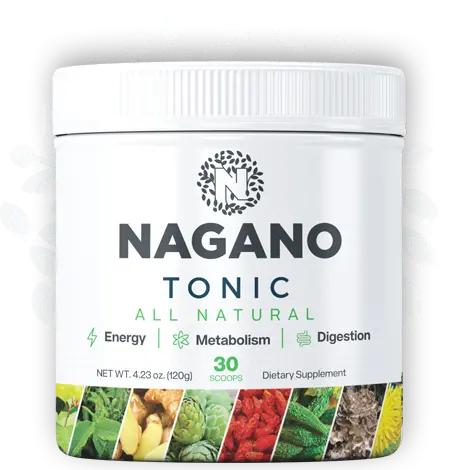
Nagano Tonic (also marketed as Nagano Lean Body Tonic) is a powdered supplement mixed into water, positioned as a metabolism and weight-loss tonic built around “exotic” superfruit and antioxidant ingredients. Before anything else: across the promotional pages for this product, the core ingredient list itself is not consistent — different sources name different primary compounds as central to the formula. That’s the first thing worth knowing, ahead of any specific benefit claim.
How We Evaluated This Product
This review follows our Supplement Review Methodology: extracting the brand’s claims, comparing named ingredients to their studied doses and forms, checking for evidence on the finished product itself, reviewing safety considerations, and scoring transparency. Where sources disagree, or a claim can’t be traced to a real study, that’s stated directly.
What Is Nagano Tonic?
Sold as a powder mixed into water or a smoothie, Nagano Tonic is marketed as a daily metabolic blend, manufactured in the US in an FDA-registered, GMP-certified facility. As with other supplements in this category, that phrase describes manufacturing hygiene standards — it is not FDA approval or evaluation of whether the product works, and no dietary supplement is FDA-approved to treat, prevent, or reverse a metabolic condition.
If you want to compare the label on the seller’s own page against what follows here, you can view Nagano Tonic’s current listing before reading further. (ThinkHealthTips may earn a commission from this link — see our full Affiliate Disclosure.)
A Formula That Reads Differently Depending on Where You Look
We reviewed multiple promotional pages for Nagano Tonic and found real disagreement about what’s actually in it:
| Source describes core formula as | Key ingredients named |
|---|---|
| Superfruit/antioxidant blend | Camu Camu, Acerola, EGCG (green tea), Mangosteen, Ginger, Inulin |
| Adaptogen/herbal blend | Ashwagandha, Eleuthero Root, Panax Ginseng, Momordica Charantia (bitter melon), Alfalfa Leaf, Beet Root |
| Thermogenic fat-burner blend | Green tea extract, cayenne pepper (capsaicin), L-carnitine, apple cider vinegar, berberine or chromium, glucomannan |
| Vitamin/amino blend | Vitamin B6, BCAAs, green tea extract, ginseng, “various herbal extracts” |
No single source we found disclosed a complete label with per-ingredient amounts. This isn’t a case of minor wording differences — these are substantially different ingredient sets, which makes it impossible to say with confidence what a scoop of Nagano Tonic actually contains, let alone whether any specific claim about it is traceable to a real ingredient at a real dose.
Claim-to-Evidence Summary
| Marketing claim | What independent evidence shows | Verdict |
|---|---|---|
| “Boosts metabolism” | Some named ingredients (EGCG, capsaicin) have modest human evidence for a short-term metabolic-rate effect at specific studied doses | Ingredient-level only; not shown for this product |
| “Increases calorie burn by up to 10%” | We could not locate the study this figure is attributed to, on this product or otherwise | Not supported — treat as unverified |
| “Suppresses appetite” | Glucomannan has been studied for appetite, body weight, and related outcomes, but clinical results are mixed, and any potential benefit appears modest. | Depends entirely on which formula version and how much fiber is actually included |
| “Balances blood sugar” | Berberine and bitter melon have mixed-to-moderate individual evidence; chromium’s benefit is mostly limited to people with a chromium deficiency | Ingredient-level only, and only in formula versions that include them |
| “Manages stress and cortisol” via adaptogens | Ashwagandha has reasonable human evidence for stress-marker improvement at studied doses (typically 300–600mg standardized extract) | Ingredient-level only; dose in this product is undisclosed |
Has the finished Nagano Tonic formula been clinically studied? We found no clinical trial of the assembled product. Every benefit claim traces to research on an individual ingredient — and given how much the ingredient list itself varies by source, even that connection is harder to make with confidence than usual.
Safety
Several ingredients that show up across various versions of this formula carry considerations worth flagging regardless of brand: green tea extract/EGCG can affect the liver at high concentrated doses and interacts with certain medications; berberine can interact with diabetes medication and blood thinners; ashwagandha is generally not recommended in pregnancy and can interact with thyroid medication and sedatives; cayenne/capsaicin can aggravate reflux or ulcers in sensitive individuals. Because no source discloses reliable per-serving amounts, it isn’t possible to weigh these risks against an actual dose — which is itself a reason for caution, particularly for anyone on medication, pregnant, or managing a chronic condition.
FAQs
What’s actually in Nagano Tonic?
That depends on which promotional page you read — see the table above. We’d recommend checking the ingredient panel on your actual product bottle or the seller’s checkout page rather than any single third-party article, including this one.
Is the “10% calorie burn” claim real?
We could not verify a study behind this specific figure. Treat it as unsupported marketing language rather than a confirmed clinical result.
Is Nagano Tonic safe to use?
Possibly, for a generally healthy adult, at typical culinary-range doses of its named ingredients — but because dosing isn’t disclosed and the ingredient list itself isn’t consistent, that’s a harder question to answer with confidence than it would be for a product with a fixed, disclosed label.
Is Nagano Tonic a scam?
We’re not making that call. What we can document: the formula description is inconsistent across sources, at least one specific statistic couldn’t be traced to a real study, and no clinical evidence exists for the finished product. Readers should weigh that against whatever specific page convinced them to consider buying it.
Final Assessment
Nagano Tonic draws on ingredient categories (green tea catechins, adaptogens, fiber, capsaicin) that do have real, if modest, individual research behind them for metabolism, appetite, or stress support. But the inconsistency in what’s actually named as being in the product — across seemingly official-style sources — is a bigger problem than any single ingredient’s evidence strength, and one specific marketing statistic couldn’t be verified at all. There’s no clinical evidence for the finished tonic itself.
If you’re considering this product, the most useful thing you can do before buying is get the actual ingredient panel from wherever you’d purchase it and check each amount against the doses referenced above, rather than relying on any one review — including this one — as the final word on what’s in the bottle.
If you’d still like to compare current pricing and the seller’s own label after reading this, you can check Nagano Tonic’s listing directly — that’s the only place to confirm actual ingredient amounts, which this review couldn’t independently verify. (Affiliate link — see our Affiliate Disclosure.)
Editorial Standards
This review was written independently of the brand and its affiliate network. Conclusions reflect available evidence, not payment or partnership status, and follow our Editorial Policy: verified sourcing, no pay-for-praise, and claims or statistics that couldn’t be verified stated as such rather than repeated at face value.
Affiliate Disclosure:
ThinkHealthTips may earn a commission if you purchase Nagano Tonic through a link on this page, at no extra cost to you. This did not influence the evidence assessment above. See our full Affiliate Disclosure.
Medical Disclaimer:
This article is for informational purposes only and is not medical advice. It is not intended to diagnose, treat, cure, or prevent any disease. Speak with a qualified healthcare provider before starting any new supplement, especially if you are pregnant, nursing, or taking medication.
References
- NCCIH – Green Tea: Usefulness and Safety
Supports the green-tea/weight claim, modest body-weight effect, liver-safety concern, and medication interactions. (NCCIH)
NCCIH: Green Tea - NCCIH – Ashwagandha: Usefulness and Safety
Supports the stress claim and safety statements concerning pregnancy, thyroid disorders, sedatives, diabetes/BP medications, and liver injury. (NCCIH)
NCCIH: Ashwagandha - PubMed – Capsaicin/Capsiate and Energy Balance Meta-analysis
Supports your statement that capsaicin may modestly increase energy expenditure and fat oxidation, while making clear that the effect is small. (PubMed)
PubMed: Capsaicin and Energy Balance - PubMed – Glucomannan and Weight Loss Systematic Review
Useful for the glucomannan claim. Importantly, this review found no statistically significant weight-loss benefit, so I would avoid describing glucomannan as having strong weight-loss evidence. (PubMed)
PubMed: Glucomannan and Weight Loss - NCCIH – Herb-Drug Interactions
Useful as an additional general source for supplement/medication interaction statements, particularly green tea and ashwagandha. (NCCIH)
NCCIH: Herb-Drug Interactions