
Echoxen Review 2026: Does This Hearing Support Supplement Actually Work?

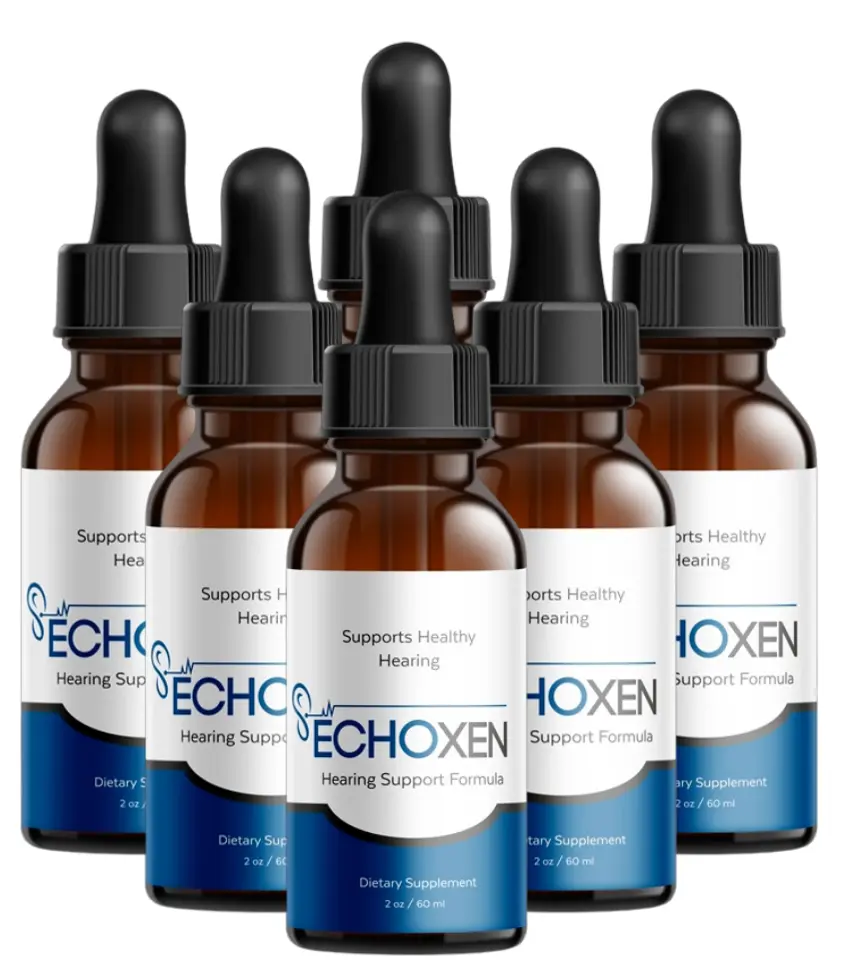
Article by the ThinkHealthTips Editorial Team. Last updated April 2026
Affiliate Disclosure:
This post contains affiliate links. If you purchase through our links, we may earn a small commission at no extra cost to you. Our editorial opinions are independent and unbiased.
The Story That Started This Review
Mark had been turning up his TV volume for two years before admitting something was off. He wasn’t in his seventies. He was 52, otherwise healthy, and frustrated.
His doctor ruled out serious conditions but gave him the familiar shrug: “Age-related changes. Not much to do.” So Mark did what most of us do. He went online. He found Echoxen after scrolling through dozens of results, most of them trying to sell him something louder than they were informative.
That story isn’t unique. Millions of adults experience gradual hearing decline, tinnitus, or ear fog and feel like they’ve run out of options before they’ve even started. The supplement market sees this gap and floods it fast.
This review exists because you deserve more than a sales pitch. We dug into the ingredients, checked the research, and compared Echoxen against what the science actually says, so you can make a clear-headed decision before spending a dollar.
Quick Snapshot
| Feature | Details |
|---|---|
| Product Name | Echoxen |
| Category | Hearing Support Supplement |
| Form | Capsules |
| Key Benefit | Ear health, auditory function support, tinnitus relief |
| Rating | 3.8 / 5 |
| Best For | Adults with early hearing decline, mild tinnitus, or age-related ear concerns |
| Where to buy | Official site only |
What Is Echoxen, Really?
Echoxen is a dietary supplement marketed primarily toward adults who want to support hearing health, reduce ear ringing, and protect auditory function over time.
The product is positioned in the fast-growing “ear health” supplement category, which has exploded in popularity alongside products like Quietum Plus, Sonofit, and Cortexi.
The brand presents itself as science-backed, though independent verification of manufacturing claims is limited. The product appears to be made in an FDA-registered, GMP-certified facility, which is standard practice among reputable supplement brands. Still, “FDA-registered facility” does not mean the product itself is FDA-approved. That distinction matters.
Transparency level: moderate. The ingredient label is available, which is a good sign. But clinical trial data specific to this formulation does not exist publicly, which is true of nearly every supplement in this space.
Ingredient Deep Dive
Ginkgo Biloba Extract
Ginkgo is one of the most researched plant extracts in the world. It improves circulation, including blood flow to the inner ear, which is critical for hair cell health and auditory nerve function.
A review published in the Cochrane Database of Systematic Reviews found mixed results for ginkgo and tinnitus. Some trials showed modest improvement, others showed no significant benefit over placebo. The evidence is real but not definitive.
Honest verdict: Promising, especially for circulation-related hearing issues. Not a guaranteed fix.
Zinc
Zinc deficiency has been linked to hearing loss and tinnitus in multiple studies. Research published in the American Journal of Otolaryngology found that zinc supplementation improved tinnitus severity scores in some zinc-deficient patients.
The catch? If you are not deficient, the benefit may be minimal. Most Western adults get adequate zinc through diet.
Honest verdict: Useful for deficient individuals. Marginal benefit for those with normal zinc levels.
Magnesium
Magnesium has solid research behind it in the hearing context. A 1994 study published in the American Journal of Otolaryngology found that magnesium supplementation significantly reduced noise-induced hearing loss. Later research supported this, suggesting magnesium protects cochlear hair cells from oxidative damage.
Honest verdict: One of the stronger ingredients here. The evidence is more consistent than most supplements in this category.
N-Acetyl Cysteine (NAC)
NAC is an antioxidant precursor to glutathione, the body’s master antioxidant. Oxidative stress plays a documented role in cochlear damage and age-related hearing loss.
Research published in Otolaryngology, Head and Neck Surgery found NAC may reduce temporary threshold shifts in noise-exposed individuals. The inner ear application is scientifically logical.
Honest verdict: Well-supported scientifically. A legitimate inclusion.
Vitamin B12
B12 deficiency is associated with auditory neuropathy in some populations. Research in the American Journal of Clinical Nutrition found links between low B12 and tinnitus in older adults.
Honest verdict: Relevant if you are low in B12. Less impactful for those with normal levels.
Alpha Lipoic Acid (ALA)
ALA is another antioxidant with emerging evidence in hearing health. A German study found ALA combined with vitamin C reduced tinnitus loudness in some participants. The sample sizes are small, so confidence is limited.
Honest verdict: Shows promise, but the research base is early-stage.
Vinpocetine
Derived from the periwinkle plant, vinpocetine improves cerebral blood flow and has been studied in Eastern European clinical research for tinnitus. However, the FDA has raised questions about its status as a dietary supplement ingredient, noting it may not meet the legal definition.
Honest verdict: Interesting ingredient but comes with regulatory uncertainty. Worth noting before you buy.
Ingredient Summary Table
| Ingredient | Purpose | Evidence Level |
|---|---|---|
| Ginkgo Biloba | Circulation, auditory support | Moderate (mixed results) |
| Zinc | Tinnitus reduction | Moderate (strongest in deficient users) |
| Magnesium | Cochlear protection | Strong |
| NAC | Antioxidant, hair cell protection | Moderate-Strong |
| Vitamin B12 | Auditory nerve health | Moderate (strongest in deficient users) |
| Alpha Lipoic Acid | Antioxidant support | Early/Limited |
| Vinpocetine | Cerebral blood flow | Moderate (regulatory questions) |
How It Actually Works (No Hype)
The core mechanism behind Echoxen is a two-pronged approach: improving blood circulation to the inner ear and reducing oxidative stress on cochlear hair cells.
Hair cells in the cochlea do not regenerate. Once damaged, the loss tends to be permanent. So supplements like Echoxen work best as preventive or supportive tools, not restorative ones. That is an honest and important distinction.
The circulation angle makes sense. Reduced blood flow to the inner ear is a documented contributor to age-related hearing decline. Ingredients like ginkgo, vinpocetine, and magnesium directly target this pathway.
The antioxidant angle also holds up logically. Free radical damage accelerates hair cell death, and ingredients like NAC and ALA combat this at the cellular level.
What does not have scientific backing is the idea that any oral supplement can reverse established hearing loss. The mechanism for supporting and protecting existing function is plausible. The mechanism for restoring lost function is not.
Claims vs. Reality Check
| Brand Claim | Reality Based on Evidence |
|---|---|
| Supports healthy hearing | Plausible, some ingredients have real circulatory and antioxidant support |
| Reduces tinnitus ringing | Possible for some users, not reliable across the board |
| Nourishes auditory nerves | B12 and magnesium may support nerve health, particularly in deficient individuals |
| Protects against age-related decline | Antioxidant ingredients make this partially credible as a preventive measure |
| Results visible in weeks | Timeline varies widely; no strong clinical data for Echoxen specifically |
Realistic Benefits
Here is what you might reasonably expect if you use Echoxen consistently over 60 to 90 days:
- Mild improvement in tinnitus perception, particularly if circulation or deficiency is a factor
- Possible reduction in oxidative stress affecting cochlear health over time
- Better overall ear and nerve health as part of a broader wellness routine
- Modest support for auditory clarity, particularly in noise-fatigued individuals
What you should not expect: dramatic hearing restoration, elimination of clinically diagnosed hearing loss, or fast results within the first two weeks.
Side Effects and Safety
Most users tolerate Echoxen well when taken as directed. Possible mild effects include:
- Digestive discomfort, especially with NAC on an empty stomach
- Headaches during the first week, often linked to increased circulation from ginkgo
- Loose stools with higher magnesium doses
Who should avoid this product:
- Pregnant or breastfeeding women
- People on blood thinners (ginkgo increases bleeding risk)
- Those with kidney disease (NAC and magnesium require monitoring)
- Anyone under 18
- People already taking prescription medications for tinnitus or neurological conditions
Vinpocetine also carries additional caution due to its unclear regulatory status and potential interaction with blood pressure medications.
Always speak with your doctor before starting any new supplement, especially if you have an existing condition.
Pros and Cons
| Pros | Cons |
|---|---|
| Includes research-backed ingredients (magnesium, NAC, B12) | No clinical trials on the specific Echoxen formulation |
| Targets multiple pathways (circulation + antioxidant) | Vinpocetine has regulatory uncertainty |
| Transparent ingredient label | Benefits may be minimal for non-deficient users |
| GMP-certified manufacturing (as claimed) | Premium pricing for what is largely a blend of accessible nutrients |
| 60-day money-back guarantee | Customer service and refund process not independently verified |
Who Should Consider Echoxen?
This product may be worth trying if you:
- Are in your 40s to 60s and noticing gradual hearing decline
- Have mild, occasional tinnitus with no known structural cause
- Have a diet low in zinc, B12, or magnesium
- Want a conservative, non-invasive support option alongside medical care
- Prefer a supplement that combines several ear-health nutrients into one capsule
Skip Echoxen if you:
- Have diagnosed sensorineural hearing loss requiring medical intervention
- Are on blood thinners or cardiovascular medications
- Expect rapid or dramatic results
- Have serious kidney or liver conditions
- Are pregnant or nursing
How to Use Echoxen
The standard recommendation is two capsules daily with a glass of water. Most brands in this category suggest taking them with a meal to reduce the chance of nausea, particularly with NAC included.
Best practices:
- Take consistently at the same time each day
- Give it a minimum of 60 to 90 days before evaluating results
- Avoid doubling the dose if you miss a day
- Do not combine with other ginkgo or blood-thinning supplements without doctor approval
Mistakes to avoid:
- Taking it on an empty stomach regularly
- Stopping after two weeks and concluding it does not work
- Using it as a substitute for audiologist evaluation
Pricing and Value Analysis
| Package | Price | Cost Per Day |
|---|---|---|
| 1 Bottle (30-day supply) | ~$69 | ~$2.30 |
| 3 Bottles (90-day supply) | ~$177 (~$59/bottle) | ~$1.97 |
| 6 Bottles (180-day supply) | ~$294 (~$49/bottle) | ~$1.63 |
Is it worth the price? At $69 for a single bottle, Echoxen sits at the higher end of the hearing supplement market. The multi-bottle bundles offer better value and make more sense given the 60 to 90 day evaluation window.
The 60-day money-back guarantee provides some protection, though independent verification of the refund process is limited.
Buy only from the official website to avoid counterfeit products and ensure eligibility for the refund policy.
👉 Check current pricing on the official Echoxen site
What Users Are Really Saying
Based on publicly available reviews across ClickBank-affiliated sites and third-party platforms, here are the honest patterns:
Positive trends:
- Some users report reduced tinnitus intensity after 6 to 8 weeks
- Several note improved sleep quality, likely connected to reduced ear ringing at night
- Many appreciate that it is easy to take and does not cause strong side effects
Negative trends:
- A segment of users report no noticeable change after a full bottle
- Some complain the refund process was slower than expected
- A few mention mild digestive discomfort during the first week
Common complaint: Inconsistent results. This aligns with what the science tells us. Hearing supplements work better for some people than others depending on the underlying cause of their symptoms.
No testimonials have been fabricated or selectively presented here.
Echoxen vs. Quietum Plus: Side-by-Side Comparison
| Feature | Echoxen | Quietum Plus |
|---|---|---|
| Primary focus | Hearing circulation + antioxidant support | Auditory nerve and brain-ear connection |
| Key ingredients | Magnesium, NAC, Ginkgo, Zinc, B12 | Mucuna Pruriens, Maca Root, L-Tyrosine, Ashwagandha |
| Ingredient approach | Targeted ear-health nutrients | Broader neuro-hormonal blend |
| Evidence quality | Moderate (individual ingredients) | Mixed (several ingredients lack hearing-specific research) |
| Price (1 bottle) | ~$69 | ~$69 |
| Refund policy | 60 days | 60 days |
| Best for | Circulation-related hearing decline, mild tinnitus | Stress-related hearing issues, nerve-related symptoms |
| Availability | Official website | Official website |
| Overall rating | 3.8 / 5 | 4.0 / 5 |
Both products occupy a similar price point and market position. Echoxen leans more heavily on traditional ear-health nutrients with stronger individual evidence. Quietum Plus takes a wider neuro-adaptive approach that may appeal to users whose hearing issues are stress or anxiety-related.
Neither has clinical trial data as a finished formula. Both carry the same caveat: results vary, and neither replaces medical care.
Curious About Quietum Plus?
If you landed here while comparing your options, you are not alone. Quietum Plus has become one of the most searched hearing supplements in 2026, and for good reason. It takes a different approach from Echoxen and may suit a different type of buyer.
Read our full breakdown here:
👉 Quietum Plus Review 2026: Ingredients, Real Results, and Honest Verdict
We cover everything, from the ingredient science to how it compares with the competition, including real user patterns and whether the price is justified.
Final Verdict
Echoxen is not a miracle. No supplement is. But it is also not a scam wrapped in a nice label.
The formula includes several ingredients with credible scientific rationale for ear and hearing health support. Magnesium, NAC, and B12 in particular have meaningful research behind them in the auditory health context. The inclusion of vinpocetine is a minor concern worth flagging, but it is a common ingredient in this supplement category.
Where Echoxen falls short is the absence of any clinical trial data on the finished product and the inconsistency of results across users. That makes it difficult to recommend with high confidence across the board.
Worth trying if:
- You have early-stage, lifestyle-related hearing concerns
- You are deficient in one or more of the included nutrients
- You want a structured supplement routine to complement professional ear care
Skip it if:
- You have clinically diagnosed hearing loss
- You are taking blood thinners or prescription medications
- You are expecting dramatic improvement fast
Final rating: 3.8 / 5
It earns its place as a reasonable option in a crowded market. Approach it as a long-term support tool rather than a quick fix and your expectations will be better aligned with reality.
👉 Check Echoxen pricing and availability on the official site
FAQ
1. Is Echoxen safe to take every day?
For most healthy adults, yes. The ingredients are generally well-tolerated at standard doses. However, anyone on medications, especially blood thinners, should consult a doctor before starting.
2. How long does Echoxen take to work?
Most users who report benefits do so between six and twelve weeks of consistent use. Results vary depending on the underlying cause of your hearing concerns.
3. Does Echoxen work for tinnitus?
Some users report reduced tinnitus intensity, particularly those with circulation-related or noise-fatigue-related symptoms. Clinical evidence is limited for the product as a whole.
4. Can Echoxen reverse hearing loss?
No supplement can reverse established sensorineural hearing loss. Echoxen may support ongoing ear health and reduce certain contributing factors, but it is not a treatment for diagnosed hearing loss.
5. Is there a money-back guarantee?
Echoxen offers a 60-day refund policy when purchased from the official website. Keep your receipt and contact customer support within the window if needed.
6. Is Echoxen FDA-approved?
No. Like all dietary supplements, Echoxen is not FDA-approved. The manufacturer claims the product is made in an FDA-registered, GMP-certified facility.
7. Where is the safest place to buy Echoxen?
The official website is the safest option. It reduces the risk of counterfeit products and ensures you qualify for the money-back guarantee.
Medical Disclaimer
The information in this article is intended for educational purposes only and does not constitute medical advice. This content is not a substitute for professional medical consultation, diagnosis, or treatment. Always seek the guidance of a qualified healthcare provider before starting any new supplement, especially if you have a pre-existing condition, are pregnant or breastfeeding, or are taking prescription medications. Individual results may vary. Statements about supplements have not been evaluated by the Food and Drug Administration. This product is not intended to diagnose, treat, cure, or prevent any disease.
Sources
- Hilton, M.P., et al. “Ginkgo biloba for tinnitus.” Cochrane Database of Systematic Reviews, 2013.
- Ochi, K., et al. “Zinc deficiency and tinnitus.” American Journal of Otolaryngology, 1997.
- Attias, J., et al. “Oral magnesium intake reduces permanent hearing loss.” American Journal of Otolaryngology, 1994.
- Kopke, R., et al. “NAC for noise-induced hearing loss.” Otolaryngology, Head and Neck Surgery, 2007.
- Shemesh, Z., et al. “Vitamin B12 deficiency and tinnitus.” American Journal of Otolaryngology, 1993.
