
How to Detox Your Liver (According to Science, Not Social Media)
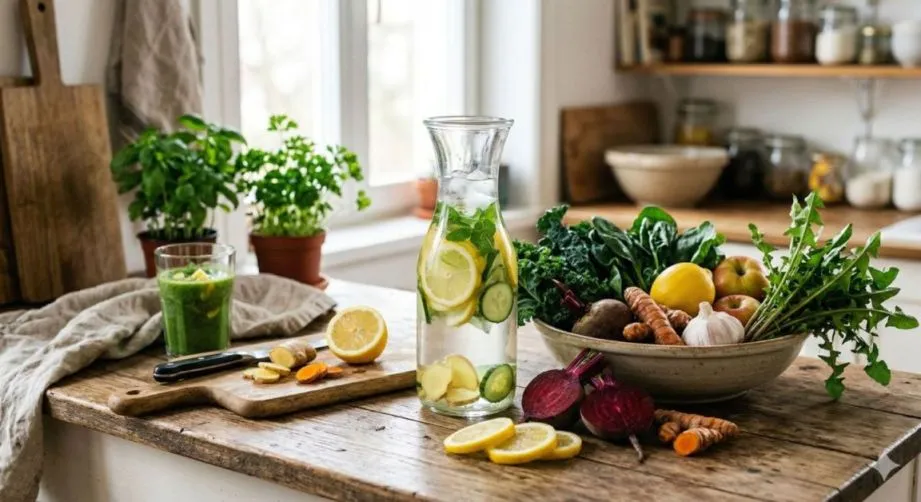
Your liver filters about 1.5 liters of blood every single minute. Every sip of alcohol, every bite of processed food, every medication you take passes through it. And yet, when people talk about “detoxing,” they usually mean a three-day juice cleanse and some expensive supplements.
Here is the truth: your liver is already a detox machine. It does not need a special tea to do its job. But it does need you to stop making that job harder.
This guide covers what actually happens inside your liver, what strains it, and what the evidence genuinely supports when it comes to protecting and supporting liver health. No miracle cures, no product pitches. Just the real picture.
What Your Liver Actually Does
Before we talk about supporting liver health, it helps to understand what you are actually supporting.
The liver sits in the upper right side of your abdomen, roughly the size of a football. It performs over 500 known functions. Five hundred. That includes producing bile to break down fats, storing glycogen for energy, manufacturing proteins the blood needs to clot properly, and neutralizing substances that would otherwise poison you.
When toxins enter your bloodstream, the liver runs them through a two-phase chemical process. Phase one breaks them into smaller compounds using enzymes. Phase two attaches molecules to those compounds so the body can excrete them through bile or urine. It is elegant, fast, and mostly invisible to you.
The liver also regenerates. It is one of the only organs in the human body that can regrow itself after partial damage. That is remarkable. But regeneration has limits, and chronic strain can outpace recovery.
The “Liver Detox” Myth You Should Know About
Here is something that surprises a lot of people: the concept of a “liver detox” as a commercial product or protocol has no meaningful scientific backing.
A review published in the Journal of Human Nutrition and Dietetics found that there is no convincing evidence that detox diets or products remove toxins from the body or improve health. The studies that exist are small, poorly designed, and almost never conducted on healthy people with normally functioning livers.
Your liver does not accumulate a backlog of “toxins” waiting to be flushed out by a lemon water fast. If your liver stops processing toxins efficiently, that is a medical condition, not a cleanse deficiency.
What you can do is reduce unnecessary strain and give your body the conditions it needs to do the work well. That is what real liver support looks like.
What Actually Stresses Your Liver
Alcohol
This one is not a surprise, but the mechanism matters. When you drink, your liver prioritizes breaking down alcohol above everything else. That process produces a byproduct called acetaldehyde, which is toxic. The liver works to convert it into something harmless, but if you are drinking faster than your liver can process, acetaldehyde builds up.
Over time and with heavy use, this leads to fatty liver disease, then potentially to inflammation, scarring (fibrosis), and ultimately cirrhosis. The CDC reports that alcohol-related liver disease accounts for roughly half of all liver disease deaths in the United States.
Even moderate drinking adds up. There is no magic threshold where alcohol becomes harmless to liver tissue. But the good news is that for most people in the early stages of alcohol-related liver changes, the liver can recover when alcohol intake is reduced or stopped.
Excess Sugar and Fructose
This one flies under the radar. Dietary fructose, particularly from added sugars and sweetened beverages, is metabolized almost exclusively by the liver. When fructose arrives in large amounts, the liver converts the excess into fat. That fat can accumulate in liver cells, leading to non-alcoholic fatty liver disease (NAFLD), a condition now affecting an estimated one in four people globally.
Processed foods, sodas, fruit juices in large quantities, and ultra-sweet snacks are the main culprits. You do not have to avoid fruit. Whole fruit comes packaged with fiber that slows fructose absorption significantly.
Overuse of Medications and Supplements
Many people do not realize that the liver processes most medications, including over-the-counter ones. Acetaminophen (Tylenol) is one of the most common causes of acute liver failure in the United States when taken in excessive doses or combined with alcohol.
Herbal supplements are often marketed as “natural” and therefore assumed safe. But natural does not mean harmless. Certain herbs, including kava, comfrey, and high-dose green tea extract, have been documented to cause liver injury. The National Institutes of Health’s LiverTox database tracks hundreds of substances associated with drug-induced liver injury.
Obesity and Metabolic Syndrome
Carrying significant excess weight, particularly around the abdomen, is strongly linked to fatty liver disease. The liver and metabolic health are deeply connected. Insulin resistance, high triglycerides, and poor blood sugar regulation all create conditions where fat accumulates in liver cells.
This is one reason why lifestyle changes that address metabolic health broadly, not just liver-targeted ones, tend to show the most meaningful results.
What Science Says Actually Supports Liver Health
Reduce Alcohol Intake
The most evidence-backed thing most adults can do for their liver is drink less. If your liver is already showing early signs of strain, abstaining entirely may allow it to recover. Studies show measurable improvements in liver enzyme levels within weeks of significantly reducing alcohol consumption.
If you are not a heavy drinker but enjoy the occasional glass, staying within your country’s recommended limits and having regular alcohol-free days gives your liver consistent recovery time.
Prioritize a Diet Rich in Whole Foods
Research consistently links Mediterranean-style eating patterns with better liver health markers. That means vegetables, legumes, whole grains, olive oil, and lean protein. It means limiting ultra-processed foods, fried items, and added sugars.
Cruciferous vegetables like broccoli, Brussels sprouts, and cauliflower contain compounds called glucosinolates that some research suggests may support liver enzyme activity. Coffee is perhaps the best-studied food in liver health. Multiple studies have found that regular coffee consumption is associated with lower rates of liver fibrosis, cirrhosis, and liver cancer. The exact mechanism is still being studied, but the association is consistent and notable across populations.
This does not mean coffee is medicine. It means coffee, as part of an overall healthy lifestyle, does not seem to harm the liver and may even offer some protection.
Move Your Body Regularly
Exercise works directly on liver health, and the research here is genuinely clear. A 2023 review in the journal Nutrients found that both aerobic exercise and resistance training reduce liver fat accumulation independent of weight loss. In other words, even if the scale does not move, exercise appears to benefit the liver.
Walking more, cycling, swimming, lifting weights, dancing in your kitchen. It all counts. Consistency matters more than intensity, especially when starting out.
Stay Hydrated
Water is how your liver and kidneys flush water-soluble waste products out of your body. Chronic mild dehydration makes this process less efficient. There is no dramatic liver miracle in a glass of water, but steady hydration supports the basic plumbing.
Most adults do well aiming for around 2 to 2.5 liters of fluid per day, more in hot climates or when exercising.
Get Checked If You Have Risk Factors
Liver disease often has no symptoms until it is advanced. Non-alcoholic fatty liver disease, hepatitis B, and hepatitis C can all quietly progress for years. If you have a family history of liver disease, have ever engaged in high-risk behaviors for hepatitis, or have metabolic syndrome or type 2 diabetes, it is worth talking to your doctor about liver function tests and appropriate screening.
Hepatitis B has a vaccine. Hepatitis C has a cure. Neither works if you do not know you need it.
What About Milk Thistle and Other Liver Supplements?
Milk thistle is the most common supplement marketed for liver health, and it deserves an honest look.
The active compound, silymarin, has shown some anti-inflammatory and antioxidant properties in lab studies. Some clinical trials have found it may help in people with existing liver conditions like alcoholic liver disease or hepatitis. However, the evidence in healthy people without liver disease is weak, and the quality of studies varies widely.
No gimmicks. No miracle claims. Just clean, focused liver support. 👉 Learn More About Livpure
The NIH’s National Center for Complementary and Integrative Health concludes that evidence for milk thistle remains limited, particularly for preventing liver disease in otherwise healthy adults. It is not known to be harmful at standard doses, but that is different from saying it definitively works.
Other popular supplements like dandelion root, artichoke extract, and turmeric are often marketed with bold liver claims. The science on these for liver detoxification in healthy people is similarly thin. Use them with skepticism, and always tell your doctor if you are taking herbal supplements, as some interact with medications.
A Note on Juice Cleanses and Fasting Protocols
Juice cleanses feel productive. They feel like doing something. But from a liver health perspective, flooding your body with large amounts of fruit sugar, even from “natural” sources, while restricting protein can actually stress the liver rather than relieve it.
The liver needs amino acids, B vitamins, and specific minerals to run its detoxification pathways effectively. Strict juice-only protocols often deprive the body of exactly these things.
Intermittent fasting is a separate story. Some research suggests it may help reduce liver fat in people with NAFLD, likely because it reduces overall calorie intake and gives insulin levels time to drop. If you are curious about it, it is a reasonable topic to discuss with a healthcare provider, particularly if you have any existing health conditions.
FAQ:
Can you feel it when your liver is struggling?
Usually not, and that is the tricky part. The liver has no pain receptors. People often do not notice symptoms of liver disease until significant damage has already occurred. Fatigue, jaundice (yellowing of the skin or eyes), and abdominal discomfort in the upper right can be signs, but these typically appear in more advanced stages.
How long does it take for the liver to recover from heavy drinking?
For people in the early stages of alcohol-related liver changes, significant improvement can occur within four to eight weeks of stopping drinking. Advanced scarring (cirrhosis) is not reversible, which is why early lifestyle changes matter so much.
Is it safe to do a liver detox while on medication?
This depends entirely on the medication and the specific protocol. Some supplements and herbal teas interact with medications or place extra processing demands on the liver. Always consult your doctor before starting any detox protocol if you take prescription or over-the-counter medications regularly.
Does drinking lemon water really help the liver?
There is no clinical evidence that lemon water specifically detoxifies the liver. Staying hydrated is genuinely useful, and lemon water is a fine way to do that if you enjoy it. But the benefits come from the water, not some magical liver-cleansing property of lemon.
What foods are hardest on the liver?
Heavy alcohol, high-fructose corn syrup, trans fats (found in some fried and packaged foods), and excessive amounts of sodium are consistently associated with worse liver health outcomes. Limiting these is one of the most practical things you can do.
Do liver function tests tell you everything?
No. Common liver panels check enzymes like ALT and AST, which indicate inflammation or damage. But liver function tests do not measure everything. A normal panel does not guarantee no liver issues are present, and some conditions require imaging or a biopsy to assess accurately. Regular checkups give your doctor the opportunity to build a fuller picture over time.
Closing Thought
Your liver is working hard for you right now, quietly, without asking for much. It does not need a cleanse, a detox tea, or a three-day fast. It needs real food, reasonable drinking habits, regular movement, and enough water to flush what it processes.
The most powerful “detox” strategy is also the least glamorous one: consistent, everyday choices that reduce the burden you put on an organ that is already astonishingly good at its job. Treat it well, and it will return the favor for decades.
Authoritative Sources
PubMed, National Library of Medicine Research on non-alcoholic fatty liver disease, exercise interventions, and dietary patterns. https://pubmed.ncbi.nlm.nih.gov
National Institute of Diabetes and Digestive and Kidney Diseases (NIDDK), NIH Overview of liver disease, NAFLD, and evidence-based treatment approaches. https://www.niddk.nih.gov/health-information/liver-disease
LiverTox, NIH Database of drugs, supplements, and herbal compounds associated with liver injury. https://www.ncbi.nlm.nih.gov/books/NBK547852/
National Center for Complementary and Integrative Health (NCCIH), NIH Evidence review for milk thistle and other herbal supplements marketed for liver health. https://www.nccih.nih.gov/health/milk-thistle
Centers for Disease Control and Prevention (CDC) Statistics and education on alcohol-related liver disease and viral hepatitis. https://www.cdc.gov/liver-disease
Mayo Clinic Patient-facing information on liver disease symptoms, causes, and lifestyle management. https://www.mayoclinic.org/diseases-conditions/nonalcoholic-fatty-liver-disease/symptoms-causes/syc-20354567
Note:
This article is written for general informational purposes only and does not constitute medical advice. Everyone’s health situation is different, and you should speak with a qualified healthcare provider before making significant changes to your diet, supplements, or lifestyle, especially if you have an existing health condition.