
Why Does Pooping Feel Good? The Science Behind Bowel Movements and Relief

Almost everyone has felt it. That deep sense of relief after using the bathroom. Your body relaxes. Your mood lifts. Sometimes you even sigh without meaning to. It may feel funny to talk about, but this reaction is normal. There is real science behind why does pooping feel good, and it has everything to do with how your body is built.
What Happens in Your Body When You Poop
Food does not stop working once you swallow it. After digestion in the stomach and small intestine, waste moves into the large intestine, also called the colon. Here, water is pulled out, and stool slowly forms.
As stool builds up, it stretches the walls of the rectum. This stretch sends signals to your brain. These signals let you know it is time to go. When you finally sit on the toilet, muscles in the pelvic area begin to relax. At the same time, pressure inside the body drops. That change alone brings comfort.
Your body likes balance. When waste leaves, balance returns.
Why Pooping Relieves Pressure and Discomfort
Before a bowel movement, pressure builds inside the lower belly. The rectum is full, and nearby organs feel crowded. This can cause bloating, heaviness, or even mild pain.
Pooping releases that pressure fast. Muscles let go. The rectum empties. Blood flow improves. Nerves stop firing distress signals. That sudden change explains why relief feels so strong.
This is also why holding poop feels bad. The longer waste stays inside, the more pressure builds. Once released, the body rewards itself with comfort.
The Role of Nerves and the Nervous System
Your gut is packed with nerves. In fact, it has so many that it is often called a second brain. These nerves talk directly to your brain through long pathways.
When you poop, certain nerves switch from alert mode to calm mode. The body moves into a relaxed state. Heart rate may slow. Breathing becomes easier. Shoulders drop without you noticing.
This shift is part of the rest-and-digest system. It is the same system that helps you relax after eating or sleeping. That calm feeling after a bowel movement comes from this nerve response.
Feel-Good Chemicals and the Gut-Brain Link
Relief is not only physical. The brain also plays a role. During a bowel movement, the body can release small amounts of natural feel-good chemicals. These help reduce stress and lift mood.
Your brain learns that pooping removes discomfort. Over time, it links the act with reward. This connection is part of survival. Clearing waste keeps the body healthy, so the brain supports it.
This gut-brain link explains why some people feel lighter, happier, or clearer after using the bathroom. It is not in your head. It is a real body response.
Why Pooping Feels Better When You Are Constipated
When stool stays in the colon too long, it becomes hard and dry. Pressure increases. Nerves fire more often. The body becomes uncomfortable.
After constipation, the release can feel intense. The drop in pressure is larger. Muscles relax more deeply. Nerves finally quiet down. The contrast between discomfort and relief makes the feeling stronger.
While this relief can feel great, frequent constipation is not healthy. It can strain muscles and cause pain over time. Regular bowel movements are better for long-term comfort.
Is It Normal for Pooping to Feel Good?
Yes, it is normal. A healthy bowel movement should not hurt. It should feel smooth, easy, and relieving. Feeling good afterward is a sign that the digestive system is doing its job.
Normal stool patterns differ from person to person. Some go once a day. Others go more or less often. What matters is comfort, not a fixed number.
As long as there is no pain, bleeding, or burning, feeling relief or pleasure is nothing to worry about.
When Pooping Should Not Feel Good
Relief is normal. Pain is not. Sharp pain, itching, or blood can signal a problem. Common causes include hemorrhoids, small tears, or bowel disorders.
Burning or ongoing discomfort may also point to diet issues or digestive trouble. If bowel movements are painful often, it is wise to speak with a doctor.
Your body uses pain as a warning. Do not ignore it.
How to Support Healthy and Comfortable Bowel Movements
Good bathroom habits help keep bowel movements easy and comfortable.
Eat foods with fiber, such as fruits, vegetables, beans, and whole grains. Fiber adds bulk and softness to stool.
Drink enough water. Without fluid, stool becomes dry and hard to pass.
Move your body. Walking and light exercise help the colon stay active.
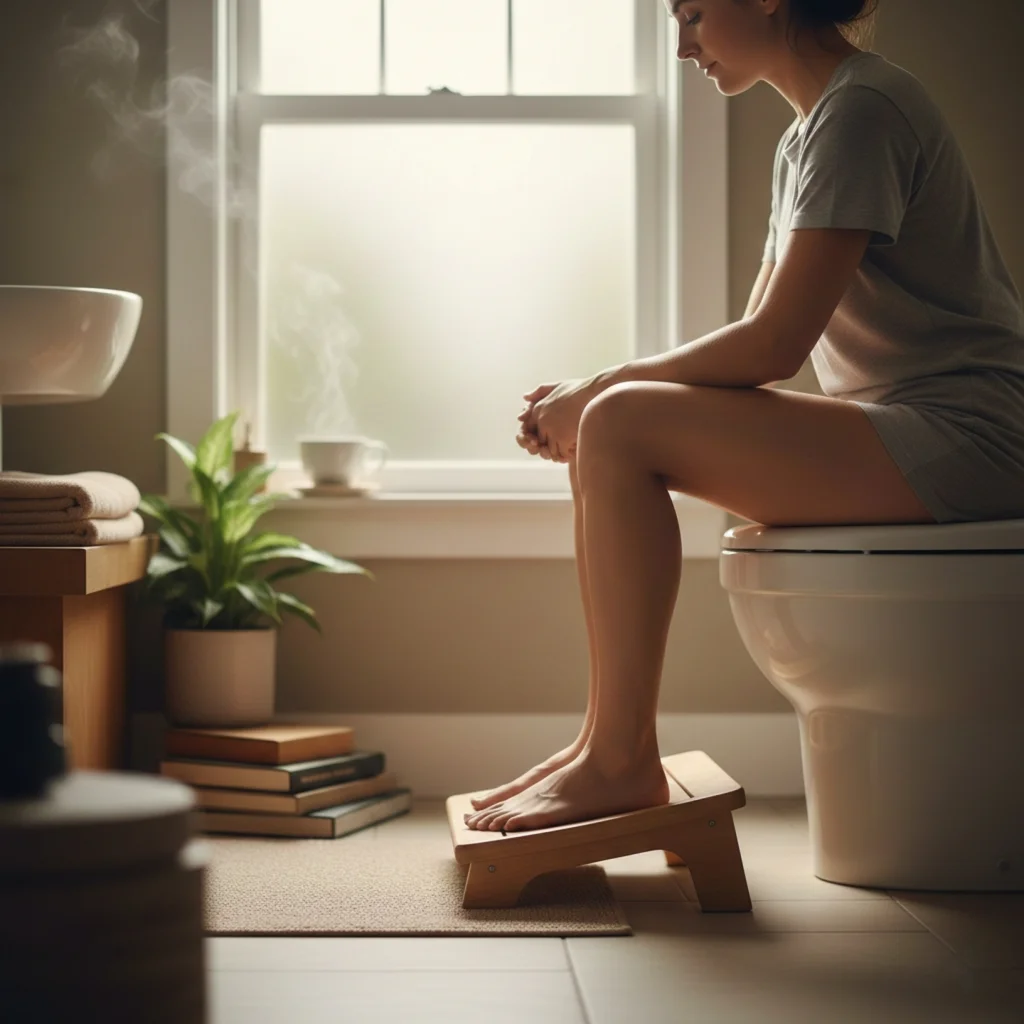
Use proper posture on the toilet. Raising your feet slightly can help the body align better and reduce strain.
Most of all, listen to your body. Do not ignore the urge to go. Delaying bowel movements leads to pressure and discomfort.
The Big Picture
Pooping feels good because it restores balance. Pressure drops. Muscles relax. Nerves calm down. The brain rewards the body for doing something important.
This process is simple, natural, and shared by everyone. There is no reason to feel awkward about it. A comfortable bowel movement is one of the clearest signs of good digestive health.
When your body feels better, your mind often follows. And sometimes, that small moment of relief can make the whole day feel lighter.
For more fitness related topics, subscribe Think health Tips for further updates.
FAQ
Why does pooping bring instant relief?
Pooping removes pressure from the rectum and lower belly. When that pressure drops, muscles relax and discomfort fades quickly.
Does pooping reduce stress?
Yes. A bowel movement can calm the nervous system, which helps the body feel more relaxed and at ease afterward.
Why do I feel lighter after pooping?
Emptying the bowels reduces bloating and internal pressure, making the body feel less heavy and more comfortable.
Is it healthy if pooping feels good?
Yes. A smooth and painless bowel movement is usually a sign of good digestive health.
Why does holding poop feel uncomfortable?
Holding poop increases pressure inside the rectum, which sends discomfort signals to the brain.
Why does pooping feel better when constipated?
Constipation builds more pressure over time, so the release feels stronger once the stool finally passes.
Does everyone feel good after pooping?
Most people do, but experiences vary. What matters most is that bowel movements are easy and pain-free.
