Why You Wake Up Tired After 8 Hours of Sleep (Real Causes Explained)
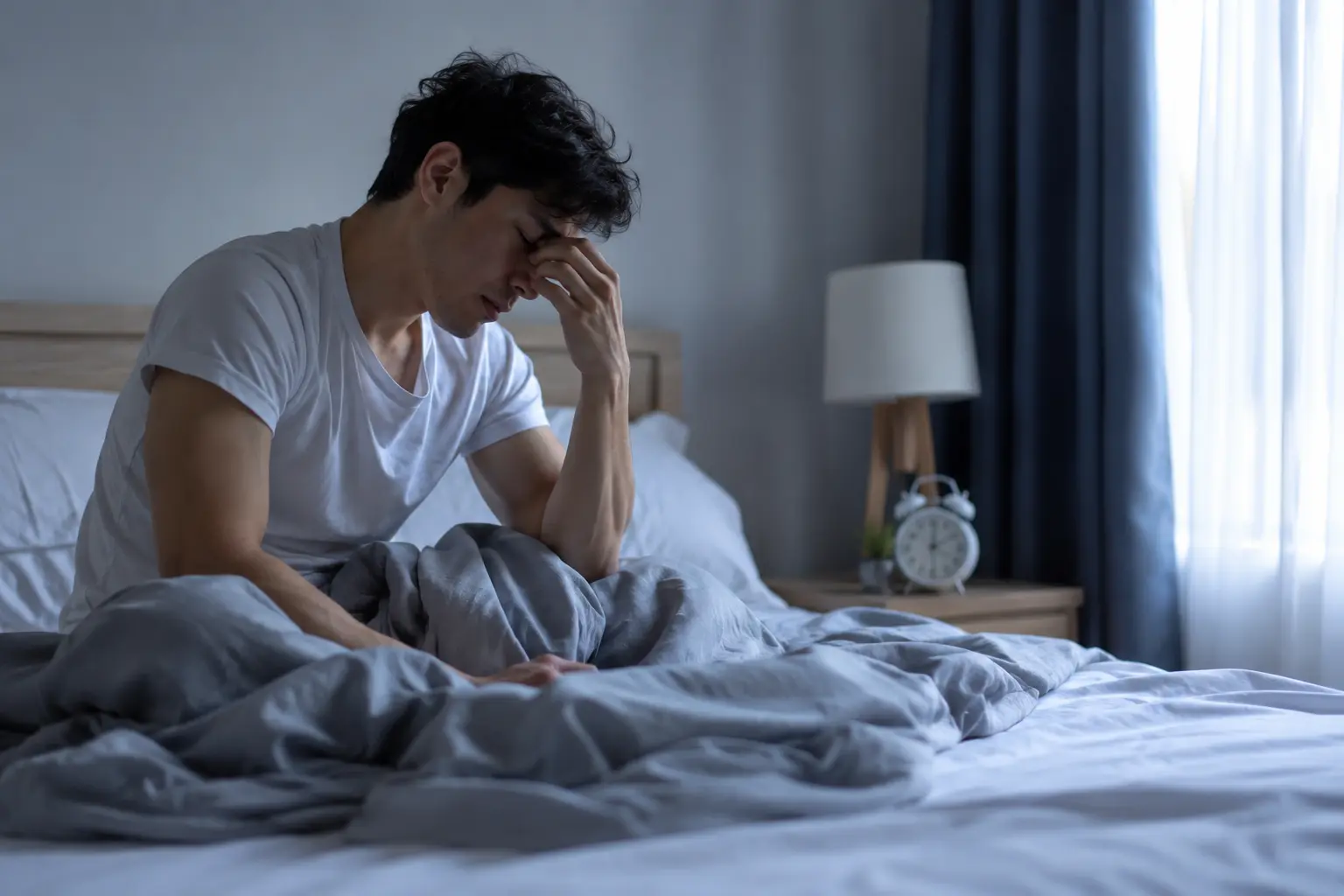
You did everything right. Lights off by ten, phone across the room, a full eight hours logged. And yet the alarm goes off, and your body feels like it never got the memo. If this sounds familiar, you’re not imagining it, and you’re not doing sleep wrong. The number of hours you spend in bed is only part of the story.
Sleep isn’t a single, uniform state. It’s a cycle your body moves through several times a night, shifting between light sleep, deep sleep, and REM sleep. (NHLBI – Sleep Phases and Stages) Waking up tired after a full night usually means something interrupted that cycle, even if you never noticed it happening.
Sleep Quality Matters More Than Sleep Duration
Eight hours of fragmented sleep is not the same as eight hours of steady, uninterrupted sleep. (PubMed – Sleep Fragmentation and Daytime Function)Your brain needs to pass through several complete sleep cycles, each lasting around 90 minutes, to get the restorative benefits it needs. If something disrupts even a few of those cycles, like noise, light, or a partner shifting in bed, you can wake up feeling like you barely slept at all.
Small awakenings often go unnoticed. You might stir for a few seconds, roll over, and fall back asleep without any memory of it. But those brief interruptions can still knock your body out of deep sleep, the stage most responsible for feeling physically refreshed.
Sleep Inertia Is a Real Thing
Ever notice that grogginess right when you wake up, even after a solid night? That’s called sleep inertia. It happens when you wake up during a deep sleep stage instead of a lighter one. Your brain needs time to shift gears, and that transition can leave you feeling foggy for anywhere from a few minutes to an hour.
Waking up at the wrong point in your sleep cycle, rather than the total hours slept, is often the real culprit here.
Undiagnosed Sleep Apnea
One of the most overlooked reasons for morning fatigue is obstructive sleep apnea. This condition causes breathing to briefly stop and start throughout the night, sometimes dozens of times without the person ever fully waking up. The body still registers each pause as a disruption, pulling you out of deep sleep to reopen the airway.
Loud snoring, gasping during sleep, morning headaches, and a dry mouth upon waking are common signs. Sleep apnea doesn’t always announce itself loudly. Many people live with it for years before connecting the dots.
Alcohol and Late Meals
A nightcap might help you fall asleep faster, but it works against you later in the night. Alcohol disrupts REM sleep and often causes waking around the three- or four-hour mark. Heavy or late meals can do something similar, keeping digestion active when your body should be winding down.
Blood Sugar Swings Overnight
Eating a lot of refined carbs or sugar close to bedtime can cause blood sugar to spike and then drop overnight. That drop can trigger a stress response, sometimes waking you briefly or leaving you groggy by morning even if you don’t remember waking at all.
Stress and an Overactive Mind
Stress doesn’t clock out when you go to bed. Elevated cortisol levels, racing thoughts, or unresolved tension can keep your nervous system partly alert throughout the night. You might get your eight hours technically, but your body never fully powers down.
Underlying Health Conditions
Certain conditions are known for causing fatigue that sleep alone doesn’t fix. These include:
- Iron deficiency anemia, which limits oxygen delivery throughout the body
- Hypothyroidism, which slows metabolism and energy production
- Depression, which is closely tied to disrupted sleep architecture
- Chronic fatigue syndrome, where rest doesn’t restore energy the way it normally would
If tiredness persists for weeks despite consistent sleep, it’s worth ruling these out with a doctor rather than assuming it’s just a phase.
Medications and Their Side Effects
Some common medications, including certain antihistamines, blood pressure drugs, and antidepressants, can interfere with deep sleep stages even when they don’t cause obvious insomnia. If fatigue started around the same time as a new prescription, that timing is worth mentioning to your doctor.
Your Sleep Environment Plays a Bigger Role Than You Think
Room temperature, light exposure, and even mattress support all shape how deeply you sleep. A room that’s too warm can prevent your body from reaching the temperature drop associated with deep sleep. Light exposure, even dim light from a charging phone, can interfere with melatonin production and pull you into lighter sleep stages more often.
When Morning Fatigue Might Point to Something More
Occasional grogginess is normal. But if you’re waking up exhausted most mornings, despite a consistent schedule, it may be time to speak with a doctor. This is especially true if you also notice loud snoring, frequent nighttime waking, unexplained weight changes, or persistent low mood. A sleep study can identify issues like apnea that aren’t obvious from the outside.
Common Myths About Sleep and Fatigue
Myth: More sleep always fixes tiredness. Not if the sleep itself is fragmented or the underlying cause is medical rather than behavioral.
Myth: Snoring is harmless. Snoring can be a sign of airway obstruction and deserves attention, especially if it’s loud or paired with gasping.
Myth: Feeling tired is just part of getting older. Age can affect sleep architecture, but persistent exhaustion isn’t something to simply accept without checking the cause.
Simple Steps That Can Help
- Keep a consistent sleep and wake time, even on weekends
- Limit alcohol and heavy meals within a few hours of bedtime
- Keep your bedroom cool, dark, and quiet
- Reduce screen exposure in the hour before bed
- Track your symptoms if fatigue continues, so a doctor has something concrete to work with
Frequently Asked Questions
Why do I feel more tired after 8 hours of sleep than after 6?
This usually points to sleep inertia or waking during a deep sleep stage rather than a lighter one.
Can dehydration cause morning fatigue?
Yes. Mild dehydration overnight can contribute to grogginess and headaches upon waking.
Is it normal to feel tired every single morning?
Occasional tiredness is common, but daily exhaustion despite adequate sleep usually signals an underlying issue worth checking.
Does napping make morning fatigue worse?
Long or late naps can shift your sleep pressure and make nighttime sleep less restorative, indirectly worsening morning fatigue.
When should I see a doctor about feeling tired after sleeping?
If it persists for more than two or three weeks despite good sleep habits, or if you notice snoring, gasping, or mood changes, it’s worth a conversation with a doctor.
The Takeaway
Feeling tired after a full night of sleep isn’t a personal failure. It’s a signal. Sleep is a process, not just a countdown of hours, and small disruptions along the way can quietly undercut the rest you think you’re getting. Paying attention to patterns, not just the clock, is often the real key to figuring out what’s going on.
References
- NHLBI. How Sleep Works: Sleep Phases and Stages.
- https://www.nhlbi.nih.gov/health/sleep/stages-of-sleepNICHD. What Happens During Sleep?
- https://www.nichd.nih.gov/health/topics/sleep/conditioninfo/Pages/what-happens.aspxStepanski EJ. The Effect of Sleep Fragmentation on Daytime Function. Sleep.
- https://pubmed.ncbi.nlm.nih.gov/12003157/Tassi P, Muzet A. Sleep Inertia. Sleep Medicine Reviews.
- https://pubmed.ncbi.nlm.nih.gov/12531174/NHLBI. Sleep Apnea Symptoms.
- https://www.nhlbi.nih.gov/health/sleep-apnea/symptomsNIAAA. Alcohol and Sleep / Alcohol’s Effects on Sleep.
- https://www.niaaa.nih.gov/MedlinePlus. Fatigue.
- https://medlineplus.gov/fatigue.htmlMedlinePlus. Hypothyroidism.
- https://medlineplus.gov/hypothyroidism.html Bunnell DE, et al. Effects of Evening Bright Light Exposure on Melatonin, Body Temperature and Sleep.
- https://pubmed.ncbi.nlm.nih.gov/10607020/Dehydration – MedlinePlus Medical Encyclopedia.
- https://medlineplus.gov/ency/article/000982.htm
Medical Disclaimer: This article is for informational purposes only and does not replace professional medical advice. Always consult a licensed healthcare provider before starting any supplement, treatment, or lifestyle change. See our full medical disclaimer for details.
Editorial Standards: ThinkHealthTips.com content is researched, fact-checked, and reviewed for accuracy using trusted medical sources. We update articles as new information emerges. Learn more about our editorial policy and how we select and vet every source.