Is Sleep Apnea Genetic? Understanding the Role of Family History
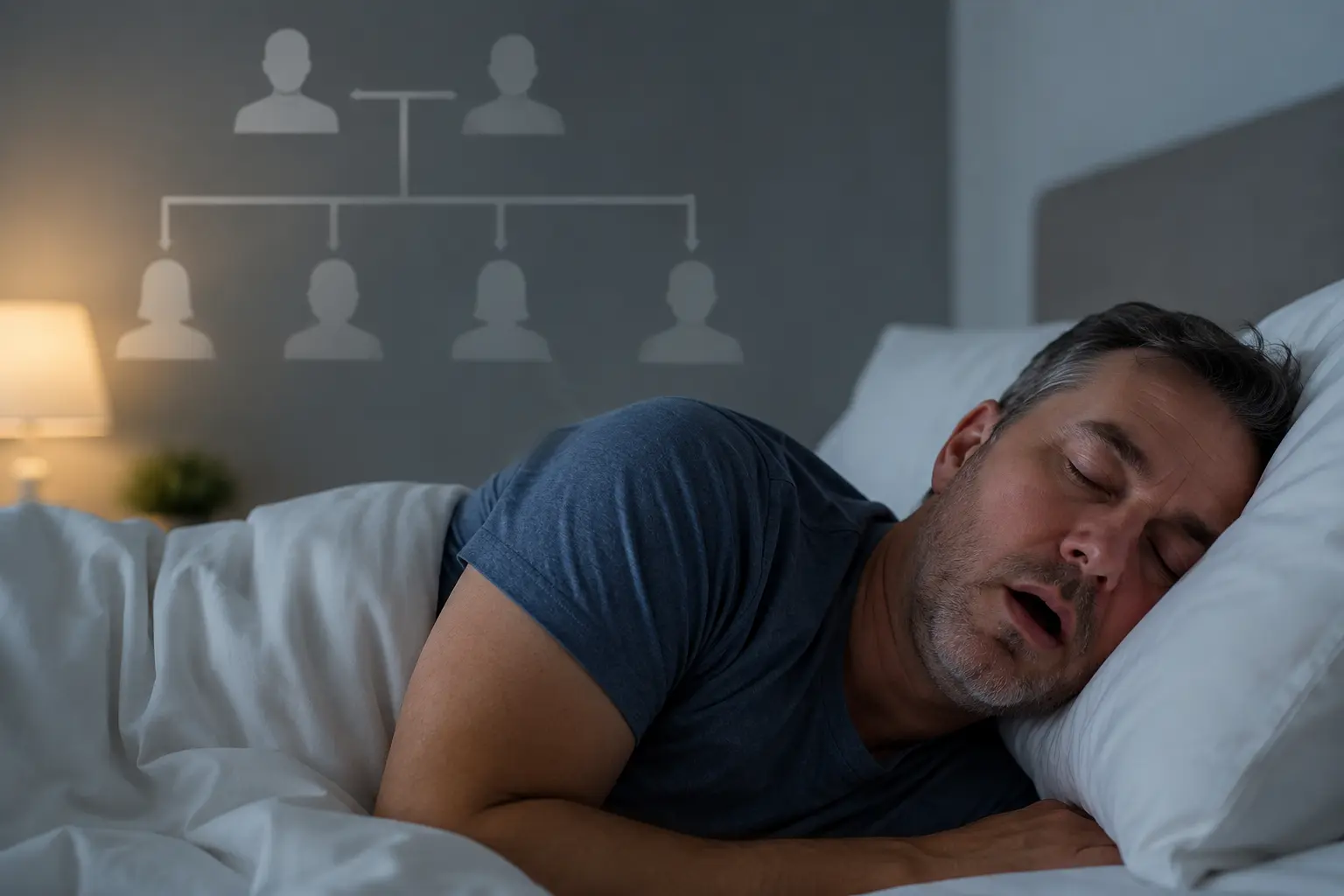
You may know someone who snores so loud that others leave the room. Or perhaps a parent, sibling, or partner has been told they stop breathing during sleep. After hearing stories like these, one question often comes up. Could sleep apnea run in families?
The answer is not as simple as yes or no.
Genes can raise the chance of developing some forms of sleep apnea, but they are only one piece of a much bigger picture. The shape of your jaw, the size of your airway, your body weight, age, and even certain medical conditions all work together. A family history does not mean you will develop sleep apnea, and having no relatives with the condition does not mean you are free from risk.
That balance matters. Sleep apnea is a treatable condition, yet many people live with it for years without knowing it. Nighttime breathing pauses can become part of daily life, hidden behind tired mornings, headaches, poor focus, or loud snoring that people dismiss as normal.
Small signs matter.
Learning how genetics fit into the story can help you recognize risk before symptoms become severe. It can also guide conversations with a healthcare professional if sleep problems appear in more than one family member.
This guide explains what science has found about inherited risk, why family history matters, and which factors you can change to lower your chances of developing sleep apnea.
What Is Sleep Apnea?
Sleep apnea is a sleep disorder in which breathing stops or becomes shallow many times during the night. These pauses may last several seconds before breathing starts again, often with a gasp, snort, or brief awakening that the person may never remember.
Because these interruptions happen over and over, the brain cannot move through normal sleep stages without disruption. Even after spending eight hours in bed, a person may wake feeling exhausted.
The condition affects more than sleep. Untreated sleep apnea can place extra strain on the heart, blood vessels, and brain over many years. It has also been linked with high blood pressure, type 2 diabetes, heart disease, stroke, and poor daytime alertness. People with untreated sleep apnea face a greater chance of work accidents and motor vehicle crashes because of excessive daytime sleepiness. PubMed, the American Academy of Sleep Medicine, and the National Heart, Lung, and Blood Institute have published strong evidence describing these risks.
If you’re wondering about the long-term risks, learn Can sleep apnea kill you? and when this condition becomes a serious health concern.
Sleep apnea falls into three main categories.
Obstructive Sleep Apnea
Obstructive sleep apnea, often called OSA, is by far the most common type.
During sleep, the muscles around the throat relax. If the airway becomes too narrow, airflow stops for a short time even though the chest continues trying to breathe.
The brain senses falling oxygen levels and briefly wakes the person just enough to reopen the airway. Most people never remember these awakenings.
Many inherited traits can increase the chance of obstructive sleep apnea, making this form the one most often linked with family history.
Central Sleep Apnea
Central sleep apnea works in a different way.
Instead of a blocked airway, the brain fails to send steady signals to the muscles that control breathing. As a result, breathing pauses even though the airway remains open.
This form is less common and often appears alongside heart disease, stroke, certain medicines, or disorders affecting the nervous system.
Complex Sleep Apnea Syndrome
Some people develop a combination of obstructive and central sleep apnea. This is known as complex sleep apnea syndrome.
Doctors may discover this pattern during treatment when breathing problems continue despite therapy for obstructive sleep apnea.
Is Sleep Apnea Genetic?
Yes, genetics can play a role, especially in obstructive sleep apnea. But inherited risk does not work like a single gene that guarantees the condition.
Instead, many genes influence physical traits that affect breathing during sleep. These inherited features may include:
- Jaw size and position
- Width of the upper airway
- Shape of the face
- Tongue size
- Neck structure
- Distribution of body fat
- Muscle control around the airway
Each trait may add only a small amount of risk. When several occur together, the chance of developing sleep apnea can increase.
Scientists describe sleep apnea as a complex condition. Rather than one gene causing the disorder, many genes interact with age, body weight, hormone changes, and everyday habits.
This helps explain why two brothers may inherit similar facial features, yet only one develops sleep apnea after gaining weight in middle age.
What Does Family History Mean?
Family history gives doctors useful clues, but it is not a diagnosis.
If one or both parents have obstructive sleep apnea, close relatives often face a higher chance of developing the condition compared with people who have no affected family members.
That pattern appears in many research projects involving twins and large families.
Several reasons may explain this connection.
Families share genes, but they also share daily habits. Eating patterns, activity levels, smoking exposure, alcohol use, and sleep routines often develop within the same household. These shared habits can influence sleep apnea risk alongside inherited traits.
For that reason, doctors look at the whole picture rather than family history alone.
How Genes Can Influence Sleep Apnea
Scientists have spent years trying to understand why sleep apnea appears in some families more than others.
Instead of finding one “sleep apnea gene,” they have identified many genetic influences that shape the airway, breathing control, and body composition.
Airway Shape
One of the strongest inherited influences involves the upper airway.
Some people inherit:
- A narrow throat
- A smaller jaw
- A recessed chin
- A high arched palate
- Larger tonsils during childhood
These features leave less room for airflow while sleeping.
As throat muscles relax during sleep, the airway may collapse more easily.
Facial Structure
The bones of the face develop under strong genetic control.
Features linked with greater sleep apnea risk include:
- Short lower jaw
- Smaller lower face
- Narrow facial bones
- Reduced space behind the tongue
These characteristics can appear across several generations of the same family.
Not every person with these features develops sleep apnea, but they can increase vulnerability.
Body Fat Distribution
Body weight matters, but where fat is stored matters too.
Some people inherit a tendency to carry more fat around the neck and upper body.
Extra tissue around the airway can narrow breathing passages during sleep, making obstruction more likely.
This helps explain why two people with the same body weight may have very different sleep apnea risk.
Muscle Control
The muscles surrounding the throat help keep the airway open while sleeping.
Scientists believe inherited differences in muscle activity may affect how well those muscles respond as breathing changes through the night.
Reduced muscle tone can make airway collapse more likely in certain people.
Breathing Control
Breathing depends on signals traveling between the brain and respiratory muscles.
Genes may influence how sensitive the body becomes to changing oxygen and carbon dioxide levels during sleep.
Some people wake too easily after breathing changes, while others remain asleep despite repeated airway obstruction.
Researchers continue studying how these inherited differences affect sleep apnea severity.
Can Sleep Apnea Skip Generations?
People sometimes notice that a grandparent had sleep apnea while their parents never received a diagnosis. This can create the impression that the condition skipped a generation.
In many cases, another explanation is more likely.
Sleep apnea often goes undiagnosed. Decades ago, sleep studies were far less common than they are now. Many adults who snored or struggled with daytime fatigue were never tested.
Lifestyle changes also matter.
A parent may inherit similar airway features but maintain a lower body weight or avoid other risk factors that trigger symptoms. Their children might develop sleep apnea after weight gain, hormonal changes, or aging narrow the airway further.
Genes may stay the same across generations, but life circumstances do not.
Does Childhood Sleep Apnea Run in Families?
Children can develop sleep apnea, and family history may play a part.
In younger children, enlarged tonsils and adenoids are among the most common causes. Yet inherited facial structure, jaw shape, and certain genetic conditions can also raise risk.
Parents should watch for signs such as:
- Loud snoring on most nights
- Pauses in breathing
- Restless sleep
- Bedwetting after toilet training
- Trouble paying attention
- Poor school performance
- Mouth breathing
- Morning headaches
Children often show different symptoms than adults. Instead of feeling sleepy, some become restless or have trouble concentrating during the day.
Early evaluation can prevent learning, growth, and behavior problems linked with poor sleep.
Genetic Conditions That Can Increase the Risk of Sleep Apnea
For many people, sleep apnea develops without a known genetic disorder. Even so, some inherited conditions change the shape of the face, jaw, tongue, or muscles in ways that make breathing during sleep harder.
Having one of these conditions does not mean sleep apnea is certain. It does mean doctors often pay closer attention to sleep symptoms.
Down Syndrome
Children and adults with Down syndrome have a much higher chance of obstructive sleep apnea than the general population.
Several factors can narrow the airway, including:
- Lower muscle tone
- A smaller upper airway
- A larger tongue in relation to the mouth
- Enlarged tonsils or adenoids
- Differences in facial bone structure
Because symptoms are not always obvious, many healthcare providers recommend routine sleep evaluations for people with Down syndrome.
Pierre Robin Sequence
Pierre Robin sequence is a condition present at birth that often includes:
- A small lower jaw
- A tongue that sits farther back than usual
- Difficulty keeping the airway open
Infants with this condition may have breathing problems during sleep that continue into childhood.
Treacher Collins Syndrome
This rare inherited condition affects the development of the face and jaw.
A smaller jaw and narrower airway can increase the chance of blocked breathing during sleep.
Marfan Syndrome
Marfan syndrome is best known for affecting the heart, eyes, and connective tissue, but some people with the condition also develop sleep apnea.
Changes in facial structure and airway support may play a role.
Prader-Willi Syndrome
People with Prader-Willi syndrome often have several factors linked to sleep apnea, such as low muscle tone, excess body weight, and differences in breathing control.
Both obstructive and central sleep apnea can occur.
Does Genetics Matter More Than Lifestyle?
Not in most cases.
Genes may load the dice, but daily habits and health changes often decide whether symptoms appear.
Think of inherited traits as a foundation. Lifestyle can either add pressure to that foundation or help protect it.
For example, someone may inherit a narrow airway but never develop sleep apnea because they maintain a healthy weight, avoid smoking, and receive treatment for allergies that block nasal breathing.
Another person with the same inherited traits may develop moderate or severe sleep apnea after gaining weight or reaching older age.
Doctors view sleep apnea as the result of many factors working together rather than one single cause.
Other Factors That Raise the Risk of Sleep Apnea
Family history is one piece of the puzzle. Many other factors can affect your chances of developing the condition.
Excess Body Weight
Carrying extra weight is one of the strongest risk factors for obstructive sleep apnea.
Fat deposits around the neck can narrow the airway and make it easier for soft tissues to collapse during sleep.
Even a modest amount of weight loss can reduce the number of breathing interruptions for some people.
Weight is not the whole story, though. Many people with a healthy body weight have sleep apnea, while others with obesity do not.
Age
The chance of sleep apnea tends to rise with age.
As people get older, muscles throughout the body lose strength. The muscles that help keep the airway open during sleep are no exception.
Changes in tissue structure also play a part.
Sex
Obstructive sleep apnea is more common in men during early and middle adulthood.
After menopause, the gap between men and women becomes much smaller. Hormone changes may affect muscle tone around the airway, which helps explain this shift.
Neck Size
A larger neck often means there is less space inside the airway.
This measurement alone cannot diagnose sleep apnea, but it is one factor doctors consider during an examination.
Nasal Congestion
Long-term nasal blockage can make breathing through the nose harder.
Common causes include:
- Allergies
- Chronic sinus problems
- A deviated nasal septum
- Nasal polyps
People who breathe through the mouth during sleep may face a greater chance of airway collapse.
Smoking
Smoking irritates the lining of the airway.
That irritation can lead to swelling, which reduces the amount of space available for airflow.
Stopping smoking benefits the lungs, heart, and blood vessels, and it may lessen airway inflammation over time.
Alcohol
Alcohol relaxes throat muscles.
If those muscles become too relaxed during sleep, the airway can collapse more easily.
People with sleep apnea often notice worse snoring or breathing pauses after drinking alcohol in the evening.
Certain Medicines
Some medicines that cause sedation can reduce muscle tone or affect breathing during sleep.
Never stop a prescribed medicine without speaking with the healthcare professional who manages your care.
What Are the Signs That Sleep Apnea May Run in Your Family?
Families often recognize the pattern only after one person receives a diagnosis.
You might notice that several relatives have similar sleep habits or daytime complaints.
Possible clues include:
- Loud snoring across several family members
- Pauses in breathing during sleep
- Waking up gasping for air
- Morning headaches
- Dry mouth after waking
- Poor concentration
- Trouble staying awake during the day
- Irritability
- High blood pressure that is hard to control
- Family members who use CPAP therapy
One symptom does not confirm sleep apnea.
A pattern of symptoms, along with a family history, deserves a conversation with a healthcare professional.
How Is Sleep Apnea Diagnosed?
Doctors begin with a detailed discussion about symptoms, medical history, and sleep habits.
Questions often include:
- Do you snore?
- Has anyone noticed pauses in your breathing?
- Do you wake feeling rested?
- Do you fall asleep during the day?
- Is there a family history of sleep apnea?
A physical examination may look at:
- Neck size
- Jaw position
- Airway shape
- Tonsil size
- Nasal passages
- Body weight
If sleep apnea appears likely, a sleep study is the next step.
Home Sleep Apnea Test
Some adults can complete testing at home.
Small sensors measure factors such as:
- Airflow
- Breathing effort
- Blood oxygen levels
- Heart rate
Home testing works well for many people with suspected obstructive sleep apnea, though it does not suit every situation.
Overnight Sleep Study
A laboratory sleep study, known as polysomnography, provides the most detailed picture of what happens during sleep.
It records:
- Brain activity
- Eye movement
- Muscle activity
- Breathing
- Heart rhythm
- Oxygen levels
- Body position
These results help doctors identify the type and severity of sleep apnea.
Can Genetic Testing Diagnose Sleep Apnea?
At this time, no routine genetic test can tell whether someone has sleep apnea.
Scientists have identified many genes linked with airway shape, breathing control, and body weight, but none can predict the condition on their own.
Diagnosis still depends on:
- Symptoms
- Medical history
- Physical examination
- Sleep testing
Genetic research continues, though it has not reached the point where a simple blood or saliva test can replace a sleep study.
If Your Parent Has Sleep Apnea, Should You Get Tested?
Not everyone with an affected parent needs a sleep study.
Testing makes more sense if family history is combined with symptoms such as:
- Loud snoring
- Morning headaches
- Excess daytime sleepiness
- Witnessed breathing pauses
- Poor concentration
- High blood pressure
Some people have no obvious symptoms yet still have sleep apnea.
If your partner notices repeated pauses in breathing during sleep, mention this to your healthcare professional even if you feel fine during the day.
Early diagnosis can prevent years of poor sleep and reduce the chance of long-term health problems.
Can You Lower Your Risk If Sleep Apnea Runs in Your Family?
You cannot change the genes you inherit.
You can change many of the factors that interact with those genes.
Helpful habits include:
- Keep body weight within a healthy range.
- Stay active on most days of the week.
- Avoid smoking.
- Limit alcohol close to bedtime.
- Treat long-term nasal congestion.
- Follow a regular sleep schedule.
- Sleep on your side if back sleeping makes snoring worse.
- Keep follow-up appointments if you already have sleep apnea.
None of these steps can guarantee prevention.
But they may reduce pressure on the airway and lower the chance that inherited risk turns into active disease.
Treatment Options for Sleep Apnea
A diagnosis of sleep apnea does not mean the condition cannot be managed. Treatment depends on the type of sleep apnea, how severe it is, your symptoms, and any health conditions that may be present. The aim is to keep the airway open during sleep, improve sleep quality, and reduce the health risks linked with repeated breathing pauses.
Some people need one form of treatment, while others benefit from a combination of approaches.
Continuous Positive Airway Pressure (CPAP)
CPAP is the first choice for many people with moderate to severe obstructive sleep apnea. The machine sends a steady flow of air through a mask worn over the nose or nose and mouth. That gentle air pressure helps prevent the airway from collapsing during sleep.
Many people notice changes after they become used to the device, including:
- Better sleep quality
- Less daytime sleepiness
- Fewer morning headaches
- Reduced snoring
- Improved focus during the day
Getting comfortable with CPAP can take time. Finding the right mask and pressure settings often makes a big difference.
Oral Appliances
Some people with mild or moderate obstructive sleep apnea may benefit from a custom-made oral appliance fitted by a dentist with training in sleep medicine.
These devices move the lower jaw or tongue forward, creating more room for airflow during sleep.
They are often considered when CPAP is not tolerated or when symptoms are mild.
Weight Management
For people carrying excess weight, losing even a modest amount can reduce pressure around the upper airway.
Weight loss is not a cure for everyone. A person with a narrow jaw or other inherited airway features may still have sleep apnea after reaching a healthy weight. Even so, reducing excess weight can improve symptoms and lower the number of breathing interruptions in many cases.
Positional Therapy
Some people experience breathing pauses almost only when sleeping on their back.
Training the body to sleep on its side may help reduce airway collapse during the night.
A sleep study can show whether body position affects breathing.
Surgery
Surgery may be an option when another treatment has not worked or when a clear structural problem blocks the airway.
Depending on the cause, surgery may involve:
- Removing enlarged tonsils
- Correcting a deviated nasal septum
- Reducing excess tissue in the throat
- Moving the jaw forward to create more airway space
- Treating nasal obstruction
The best approach depends on the person’s anatomy and the severity of the condition.
Treatment for Central Sleep Apnea
Central sleep apnea requires a different plan because the airway is not the main problem.
Treatment may include:
- Addressing heart or nerve disorders
- Adjusting medicines when appropriate
- Using positive airway pressure devices designed for central sleep apnea
- Oxygen therapy in selected cases
A sleep medicine specialist can recommend the most suitable option.
Can Food Make a Difference?
No food can cure sleep apnea, but eating habits can affect some of the factors linked with the condition.
A balanced eating pattern may help with weight management and lower inflammation that affects heart and blood vessel health.
Foods that fit into a balanced diet include:
- Vegetables
- Fresh fruit
- Whole grains
- Beans and lentils
- Fish
- Nuts and seeds
- Low-fat dairy products
- Lean poultry
It also helps to limit foods high in added sugar and saturated fat if weight management is a goal.
Heavy evening meals may worsen reflux in some people. Acid reflux can irritate the throat and disturb sleep, though it is not a direct cause of sleep apnea.
Daily Habits That Support Better Sleep
Living with a family history of sleep apnea can feel uncertain. Simple habits cannot erase inherited risk, but they can support better sleep and help protect your health.
You may find these steps useful:
- Keep a regular bedtime and wake time.
- Aim for enough sleep each night.
- Stay active during the week.
- Avoid alcohol close to bedtime.
- Stop smoking if you smoke.
- Treat allergies that block nasal breathing.
- Keep follow-up appointments if you have been diagnosed.
- Use CPAP or another prescribed treatment as directed.
And consistency counts.
Small changes repeated over time often matter more than trying many changes at once.
When Should You See a Doctor?
Occasional snoring after a tiring day is common and does not always point to sleep apnea.
Certain symptoms deserve medical attention, especially if they continue for weeks or months.
Speak with a healthcare professional if you or someone close to you notices:
- Loud snoring on most nights
- Pauses in breathing during sleep
- Choking or gasping during the night
- Morning headaches
- Trouble staying awake during the day
- Poor memory or reduced concentration
- Mood changes linked with poor sleep
- High blood pressure that remains difficult to control
People with heart disease, type 2 diabetes, obesity, or a strong family history of sleep apnea may benefit from discussing sleep concerns even if symptoms seem mild.
Prompt assessment can lead to earlier treatment and help reduce long-term complications.
Common Myths About Sleep Apnea and Genetics
Myth 1: If sleep apnea runs in my family, I will develop it.
Not true.
Family history increases risk, but it does not guarantee the condition. Many people with affected relatives never develop sleep apnea.
Myth 2: Thin people cannot have sleep apnea.
False.
People with a healthy body weight can develop sleep apnea because of inherited airway shape, jaw structure, enlarged tonsils, or other factors.
Myth 3: Snoring always means sleep apnea.
Not always.
Many people snore without repeated breathing pauses. Even so, loud snoring combined with daytime fatigue or witnessed breathing pauses deserves medical evaluation.
Myth 4: Children do not get sleep apnea.
Children can develop sleep apnea, often because of enlarged tonsils, adenoids, or inherited differences in airway structure.
Myth 5: Sleep apnea only affects older adults.
The chance rises with age, but the condition can appear during childhood, adolescence, or early adulthood.
Frequently Asked Questions
Can sleep apnea be inherited from either parent?
Yes. Inherited traits from either parent can affect jaw shape, airway size, body fat distribution, and other features linked with obstructive sleep apnea. The condition does not follow a simple inheritance pattern.
Which type of sleep apnea is most affected by genetics?
Obstructive sleep apnea has the strongest link with inherited traits. Central sleep apnea is more often related to health conditions that affect breathing control.
If my sibling has sleep apnea, should I be concerned?
A sibling with sleep apnea suggests there may be shared inherited risk. If you also snore, wake up tired, or experience daytime sleepiness, speak with a healthcare professional about whether a sleep evaluation is appropriate.
Can sleep apnea be prevented if it runs in my family?
There is no guaranteed way to prevent sleep apnea. Keeping a healthy weight, avoiding smoking, limiting alcohol before bed, and seeking care for persistent symptoms may lower your risk.
Can children inherit sleep apnea?
Children do not inherit sleep apnea itself, but they can inherit physical traits that increase the chance of developing it. Enlarged tonsils, facial structure, and certain genetic conditions also play a part.
Does genetic testing help diagnose sleep apnea?
At present, no routine genetic test can diagnose sleep apnea. A sleep study remains the standard method for confirming the condition.
Final Takeaway
Genes influence many parts of the body that affect breathing during sleep, including the jaw, airway, facial structure, and muscle function. That is why sleep apnea often appears in more than one member of the same family.
Even so, inherited risk is only part of the picture. Body weight, age, smoking, alcohol use, nasal blockage, and other health conditions can shape whether sleep apnea develops and how severe it becomes.
Knowing your family history can help you recognize warning signs sooner, but it should not cause alarm. Many people with inherited risk never develop sleep apnea, while others improve their symptoms with treatment and healthy habits.
If loud snoring, breathing pauses, or persistent daytime tiredness become part of daily life, a conversation with a healthcare professional is worth having. A proper diagnosis can open the door to treatment that improves sleep, daytime energy, and long-term health.
Related Articles:
- Is Sleep Apnea Considered a Disability?
- Why Do People Talk in Their Sleep?
- Why Do I Drool When I Sleep?
- How to Fix Your Sleep Schedule
- How to Get More Deep Sleep
References
- National Heart, Lung, and Blood Institute. Sleep Apnea. https://www.nhlbi.nih.gov/health/sleep-apnea
- MedlinePlus. Sleep Apnea. https://medlineplus.gov/sleepapnea.html
- Mayo Clinic. Sleep Apnea: Symptoms and Causes. https://www.mayoclinic.org/diseases-conditions/sleep-apnea
- Cleveland Clinic. Sleep Apnea. https://my.clevelandclinic.org/health/diseases/8718-sleep-apnea
- American Academy of Sleep Medicine. Obstructive Sleep Apnea. https://aasm.org/
- National Institute of Neurological Disorders and Stroke. Brain Basics: Understanding Sleep. https://www.ninds.nih.gov
- National Institutes of Health, National Center for Biotechnology Information. Genetics of Obstructive Sleep Apnea. https://www.ncbi.nlm.nih.gov/pmc/
- PubMed. Genetic Factors in Obstructive Sleep Apnea. https://pubmed.ncbi.nlm.nih.gov/
- Johns Hopkins Medicine. Sleep Apnea. https://www.hopkinsmedicine.org/health/conditions-and-diseases/sleep-apnea
- World Health Organization. Healthy Sleep. https://www.who.int
- American Thoracic Society. Patient Information Series: Sleep Apnea. https://www.thoracic.org
- National Institute of Diabetes and Digestive and Kidney Diseases. Overweight and Obesity. https://www.niddk.nih.gov
Medical Disclaimer: This article is for educational purposes only and is not a substitute for professional medical advice, diagnosis, or treatment. Seek guidance from a qualified healthcare professional if you have symptoms or concerns about sleep apnea or any other medical condition.
Editorial Standards: Our health content is created through careful research using trusted medical sources and reviewed for accuracy, clarity, and responsible reporting. Learn more about our publishing process and commitment to quality in our editorial policy.