How to Remove Plaque From Your Teeth (And Keep It From Coming Back)
Removing plaque comes down to two things working together: what you do every day at home, and what a dentist or hygienist does every six months or so. At home, that means brushing twice a day with fluoride toothpaste, cleaning between your teeth daily, and paying attention to how often you snack on sugar. Once plaque hardens into tartar, though, no amount of brushing will remove it. Only a professional cleaning can do that. Here’s what actually helps, what doesn’t, and how to tell the difference.
What Is Plaque, and Why Does It Keep Coming Back?
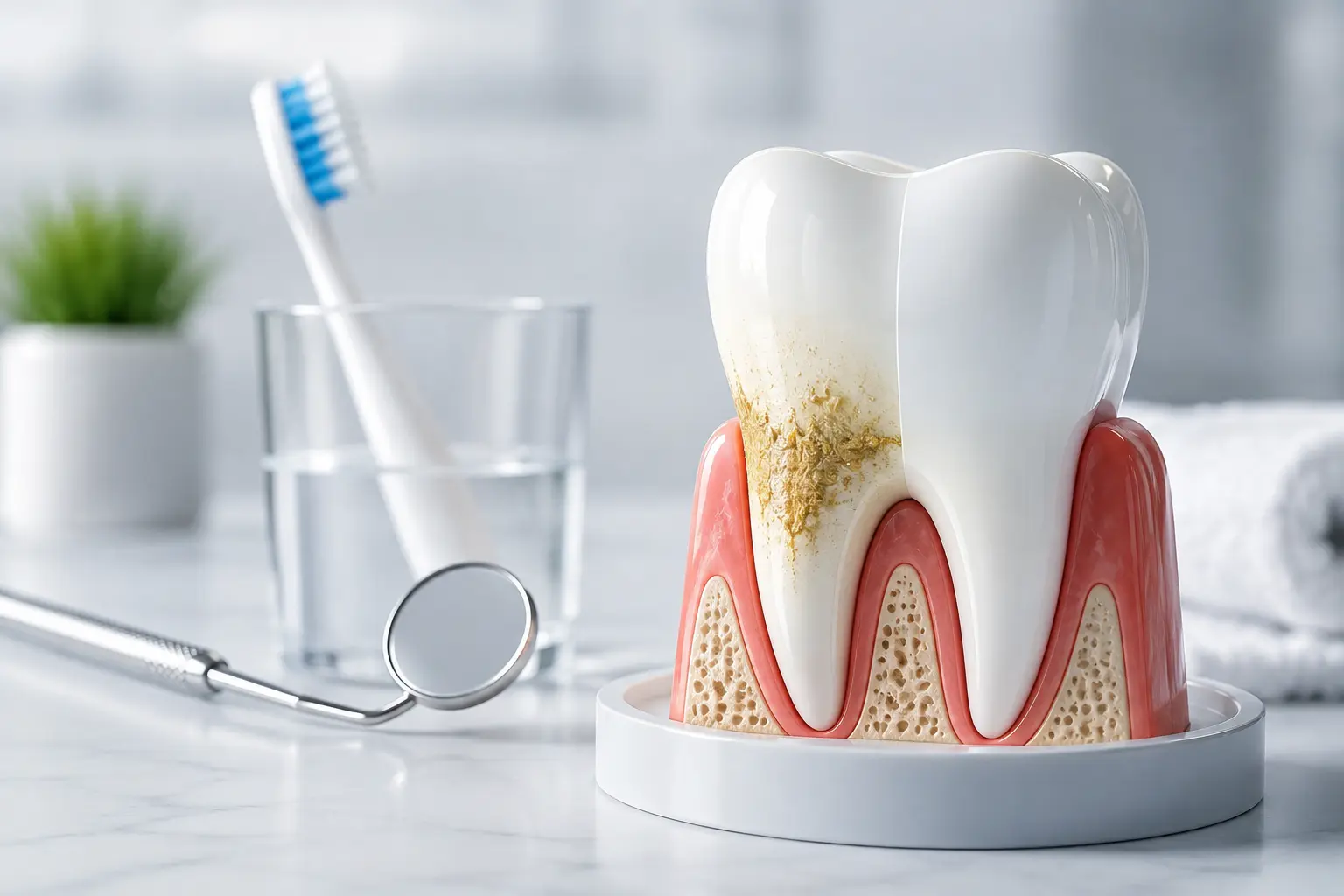
Plaque is a soft, sticky film that forms on your teeth almost constantly. It isn’t just leftover food. It’s a living community of bacteria, mixed with food debris and saliva, sitting on your tooth surfaces. Dentists sometimes describe it as a biofilm, which simply means a layer of microorganisms that stick together and cling to a surface, in this case, your teeth.
Every time you eat or drink something sugary or starchy, the bacteria in that film feed on it and release acid as a byproduct. That acid is what wears down tooth enamel. Left in place long enough, it’s also what turns ordinary plaque into a source of cavities and gum problems.
You can’t stop plaque from forming. Everyone produces it, no matter how carefully they brush. The realistic goal isn’t prevention. It’s disrupting plaque often enough that it never gets the chance to cause damage.
Plaque vs. Tartar: Why the Difference Matters
Plaque and tartar are related, but they behave very differently, and that difference changes what you can actually do about them.
Plaque is soft. You can remove it yourself with a toothbrush, floss, or an interdental brush. Left alone, minerals in your saliva combine with the plaque, and it hardens into tartar, also known as calculus. Once that happens, brushing harder won’t help. Tartar bonds tightly to the tooth surface and generally has to be scraped off with dental instruments.
| Plaque | Tartar (Calculus) | |
|---|---|---|
| Feel | Soft and sticky, “fuzzy” against your tongue | Hard and rough |
| Color | Colorless to pale yellow | Yellow, brown, or gray; darkens with age |
| How it forms | Bacteria, food debris, and saliva combining on tooth surfaces | Plaque that has hardened, or mineralized, over time |
| How it’s removed | Brushing and interdental cleaning at home | Only by a dentist or hygienist, using dental instruments |
This is why home care and professional cleanings aren’t interchangeable. One handles plaque. The other handles what plaque turns into if it’s missed.
Signs You Might Have a Buildup
You don’t need a dental exam to notice most of this. Common signs include:
- A rough or “fuzzy” feeling when you run your tongue over your teeth
- Visible yellow or brownish deposits near the gumline
- Gums that look red or swollen
- Gums that bleed when you brush or floss
- Bad breath that doesn’t improve after brushing
These symptoms can have several causes, and having one of them doesn’t automatically mean you have serious gum disease. But bleeding gums, in particular, are often one of the earliest signs that plaque has been sitting in place long enough to irritate the tissue around your teeth. That early stage is called gingivitis, and it’s generally reversible with better cleaning habits.
What Makes Plaque Worse for Some People
Plaque forms for everyone, but a few factors make it build up faster or harder to remove:
- Dry mouth. Saliva helps rinse away food particles and neutralize the acid plaque bacteria produce. Certain medications, mouth breathing, and some medical conditions reduce saliva flow, which lets plaque accumulate faster. If dry mouth is an ongoing issue for you, it’s worth mentioning to your dentist or doctor.
- Smoking or tobacco use. Smoking is one of the strongest known risk factors for gum disease, and it can also make plaque harder to control and treatment less effective.
- Braces, retainers, and dental work. Anything that adds extra surfaces or hard-to-reach corners in your mouth gives plaque more places to hide. This is a big reason people with braces are often told to use interdental brushes or floss threaders instead of standard floss.
- Crowded or overlapping teeth. A similar idea applies here. Tight spaces are harder to clean thoroughly with a toothbrush alone.
None of this makes plaque removal impossible. It just means a bit more attention to interdental cleaning, and in some cases, more frequent professional visits.
How to Remove Plaque From Teeth at Home
This is the part most readers came for, so here are the specifics.
Brush With Technique, Not Just Effort
Brushing harder doesn’t remove more plaque. It mostly wears down your gums and enamel over time. What actually matters is angle, timing, and consistency.
The American Dental Association recommends brushing twice a day for two minutes with a soft-bristled brush, held at roughly a 45-degree angle against the gumline, using short back-and-forth strokes. That angle lets the bristles reach just under the gum edge, which is exactly where plaque tends to collect.
A few details that make a real difference:
- Replace your toothbrush every three to four months, or sooner if the bristles look frayed
- Use a fluoride toothpaste, since fluoride helps strengthen enamel against the acid plaque bacteria produce
- Don’t rinse right away with water after spitting out toothpaste. Leaving a thin residue behind gives the fluoride more time to work.
Consider an Electric Toothbrush, Especially an Oscillating One
Manual and electric toothbrushes can both clean teeth effectively when used correctly. Still, the research does show a modest edge for power brushes.
A Cochrane systematic review covering 56 studies found that electric toothbrushes with an oscillating-rotating head, the kind where the brush head spins back and forth, reduced plaque by about 11% more than manual brushing during the first three months, and about 21% more with longer-term use. Gingivitis was reduced by roughly 6% and 11% over those same periods. Researchers described the evidence as moderate quality and the benefit as real but modest, not dramatic.
In plain terms, an electric brush isn’t required. But if you’re deciding between two options and your technique is otherwise solid either way, the research leans in its favor.
Clean Between Your Teeth Every Day
A toothbrush can’t reach the space between two teeth. That’s where floss, interdental brushes, and similar tools come in, and it’s also where plaque quietly builds up unnoticed.
A 2019 Cochrane review focused specifically on interdental cleaning devices found that using floss or interdental brushes in addition to brushing reduced gingivitis and plaque more than brushing alone, and that interdental brushes may work somewhat better than string floss for people who can use them comfortably. The same review noted that evidence for other tools, like wooden cleaning sticks and water flossers, remains limited and inconsistent. That doesn’t mean those tools fail. It means the research so far hasn’t clearly shown one option beats another.
A few practical takeaways:
- If regular floss feels awkward or hard to maneuver, an interdental brush may work just as well or better
- Wider gaps between teeth, bridges, or braces often make interdental brushes or floss threaders easier to use than string floss.
- Whichever tool you choose, using it daily matters more than which specific one you pick.
Water Flossers Can Help, But Treat Them as an Add-On
Water flossers, sometimes called oral irrigators, use a stream of pulsating water to dislodge plaque and debris. Many people find them easier to use than string floss, particularly with braces, dental implants, or limited hand dexterity.
Based on the evidence described above, water flossers appear to help when added to brushing, but current research isn’t strong enough to say they consistently outperform floss or interdental brushes. If a water flosser is the tool you’ll actually use every day, that’s a reasonable choice. Consistency tends to matter more than which specific device ends up in your hand. If you want to know about gum recession, read this complete article about causes of gum recessions
Mouthwash Can Help, But It’s Not a Substitute
Antimicrobial or fluoride mouthwashes can reduce the amount of bacteria in your mouth and may support plaque control as part of a full routine. They don’t replace brushing and interdental cleaning, since rinsing alone doesn’t physically disturb the biofilm sitting against your teeth the way a brush or floss does. Look for a rinse carrying the ADA Seal of Acceptance if that matters to you, and ask your dentist before starting a prescription-strength antimicrobial rinse.
Watch What, and How Often, You Snack
Plaque bacteria feed on sugar and refined starch. Each time you eat something sugary, those bacteria produce acid for a stretch of time afterward, and that acid is what erodes enamel.
Frequency tends to matter more than total amount. Grazing on sugary snacks or sipping sweetened drinks throughout the day keeps your mouth in something close to a constant acid cycle, because saliva doesn’t get much chance to neutralize it in between. Eating the same amount of sugar in one sitting, then giving your mouth time to recover, is gentler on your teeth.
This doesn’t mean cutting out sugar entirely. It means paying attention to frequency and reaching for water or sugar-free gum after eating when brushing isn’t an option.
Home Remedies That Are Overhyped or Risky
A few “natural” plaque removal methods come up often enough to address directly.
Baking soda. Used occasionally, baking soda is a mild abrasive that current research considers safe for enamel, and it’s an ingredient in some ADA-accepted toothpastes. Used aggressively, straight, and often, though, any abrasive can wear down enamel over time, and enamel doesn’t grow back once it’s gone. A baking soda toothpaste is fine for most people. Dentists generally don’t recommend scrubbing your teeth with straight baking soda paste every day.
Oil pulling. Swishing oil, usually coconut or sesame, around the mouth for several minutes is a popular home remedy. It may have a mild, short-term effect on the amount of bacteria in saliva, but there isn’t strong evidence that it removes plaque or replaces brushing and flossing. Treat it as optional at most, not a substitute for a basic routine.
DIY tartar scrapers. Metal dental picks sold for home use are marketed for scraping off visible tartar yourself. Because tartar bonds tightly to enamel and often extends below the gumline where you can’t see it, using sharp metal tools on your own teeth carries a real risk of scratching enamel or injuring your gums. This is a job better left to a dental professional with the right training and instruments.
Why You Still Need Professional Cleanings
Once plaque hardens into tartar, home tools can’t remove it, no matter how well you brush. Taking it off requires a procedure called scaling, where a dentist or hygienist uses hand instruments, an ultrasonic scaler, or both, to break the deposits loose and lift them off the tooth surface, including areas below the gumline that you can’t reach or see yourself.
Most people benefit from a professional cleaning about every six months, though your dentist may suggest a different interval depending on how quickly you tend to build up tartar, whether you smoke, or whether a condition like diabetes affects your gum health. If gum disease has already progressed past the earliest stage, a deeper cleaning called scaling and root planing may be recommended, which also smooths the tooth root to help gum tissue reattach.
Skipping these visits doesn’t just risk cosmetic buildup. Tartar left in place keeps irritating the surrounding gum tissue, which is how gingivitis can progress toward more serious, less reversible gum disease over time.
Building a Routine You’ll Actually Stick To
A realistic daily routine covers most of what matters:
- Brush for two minutes, twice a day, with fluoride toothpaste
- Clean between your teeth once a day, with whichever tool you’ll actually use
- Use an ADA-accepted mouthwash if your dentist recommends one
- Limit how often you snack on sugar or sip sweetened drinks
- Book a professional cleaning roughly every six months, or on the schedule your dentist suggests
None of this needs to be complicated. The habits that make the biggest difference are also the simplest, as long as you do them consistently.
When to See a Dentist
Most plaque-related concerns are routine, not urgent. A few signs, though, are worth a visit sooner rather than later:
- Gums that bleed regularly, not just occasionally
- Gums pulling away from your teeth, or teeth that look longer than they used to
- Persistent bad breath that doesn’t improve with brushing
- Loose or shifting teeth
- Visible tartar buildup you can’t remove with a toothbrush
- Swelling, significant pain, or fever, which can point to an infection and deserve prompt attention
If you notice ongoing bleeding or swelling, it’s worth getting checked rather than waiting for your next routine cleaning. Early gum disease is reversible. The more advanced stage, periodontitis, generally isn’t.
Common Misconceptions About Plaque
“If my gums don’t bleed, I’m fine.” Bleeding is a useful warning sign, but its absence doesn’t rule out plaque buildup or early gum problems. Regular checkups catch things a mirror can’t.
“Brushing harder cleans better.” Pressure doesn’t remove plaque more effectively. The mechanical action of bristles moving across the tooth surface does that. Hard brushing mainly wears down your gums and enamel.
“Mouthwash can replace brushing.” Rinsing helps reduce bacteria, but only brushing and interdental cleaning physically remove the biofilm stuck to your teeth.
“Once I have tartar, there’s nothing I can do.” You can’t remove tartar yourself, but a dentist can, and better home care afterward can slow how quickly it returns.
Frequently Asked Questions
How to Remove Plaque From Your Teeth (And Keep It From Coming Back)
Soft plaque, yes, with consistent brushing and interdental cleaning. Tartar, which is hardened plaque, can’t be removed at home. It requires a professional cleaning.
How long does it take for plaque to turn into tartar?
It varies by person, but plaque that isn’t disturbed can start mineralizing into tartar within roughly a day or two. That’s one reason daily cleaning, rather than occasional cleaning, matters so much.
Is a water flosser as effective as string floss?
Current research suggests water flossers are a reasonable option, especially for people who find floss difficult to use, but the evidence isn’t strong enough yet to say they consistently outperform floss or interdental brushes. Whichever device you’ll actually use every day is generally the better choice.
Does mouthwash remove plaque on its own?
No. Mouthwash can reduce bacteria and freshen breath, but it doesn’t physically remove the biofilm from your teeth the way brushing and flossing do.
Can diet alone keep plaque under control?
No, but it helps. Limiting how often you eat sugary or starchy snacks reduces how much fuel plaque bacteria have to produce acid, though it doesn’t replace brushing and interdental cleaning.
How often do I actually need a professional cleaning?
Roughly every six months for most people, though your dentist may recommend more frequent visits depending on your gum health, tartar buildup, and risk factors like smoking or diabetes.
Final Takeaway
Plaque is normal, constant, and unavoidable, but it’s also manageable. Brushing twice a day with proper technique, cleaning between your teeth daily, and paying attention to how often you snack on sugar will handle most of it. What’s left over hardens into tartar, and that part isn’t a do-it-yourself job. A professional cleaning roughly every six months, or on whatever schedule your dentist recommends, closes the gap between what you can manage at home and what only a dental instrument can finish.
Related Articles:
Medical Disclaimer
This article is for informational purposes only and isn’t a substitute for professional dental or medical advice, diagnosis, or treatment. Always consult a licensed dentist or physician regarding any oral health condition. Never disregard professional advice or delay seeking it because of something you’ve read here. ThinkHealthTips.com assumes no liability for actions taken based on this content.
Editorial Standards
This article was researched and written using peer-reviewed studies, Cochrane reviews, and guidance from recognized health authorities (ADA, CDC, NIH, Mayo Clinic, Cleveland Clinic). All claims are sourced and cited. Content is reviewed for accuracy before publishing and updated as new evidence emerges. We do not accept payment in exchange for favorable coverage of any product or claim.
References
- Cleveland Clinic. “Dental Plaque.” Reviewed 2023. https://my.clevelandclinic.org/health/diseases/10953-plaque
- Cleveland Clinic. “Tartar (Dental Calculus): Causes & Removal.” https://my.clevelandclinic.org/health/diseases/25102-tartar
- Cleveland Clinic. “Gingivitis and Periodontal Disease (Gum Disease).” https://my.clevelandclinic.org/health/diseases/10950-gingivitis-and-periodontal-disease-gum-disease
- Mayo Clinic. “Gingivitis – Symptoms and Causes.” https://www.mayoclinic.org/diseases-conditions/gingivitis/symptoms-causes/syc-20354453
- American Dental Association, MouthHealthy. “Brushing Your Teeth.” https://www.mouthhealthy.org/all-topics-a-z/brushing-your-teeth
- American Dental Association, MouthHealthy. “Scaling and Root Planing for Gum Disease.” https://www.mouthhealthy.org/all-topics-a-z/scaling-and-root-planing
- Cochrane. “Powered/Electric Toothbrushes Compared to Manual Toothbrushes for Maintaining Oral Health.” https://www.cochrane.org/evidence/CD002281_poweredelectric-toothbrushes-compared-manual-toothbrushes-maintaining-oral-health
- Cochrane. “Home Use of Devices for Cleaning Between the Teeth (in Addition to Toothbrushing) to Prevent and Control Gum Diseases and Tooth Decay.” https://www.cochrane.org/evidence/CD012018_home-use-devices-cleaning-between-teeth-addition-toothbrushing-prevent-and-control-gum-diseases-and
- National Health Service (NHS, UK). “How to Keep Your Teeth Clean.” https://www.nhs.uk/live-well/healthy-teeth-and-gums/how-to-keep-your-teeth-clean/
- Centers for Disease Control and Prevention. “Oral Health Tips for Adults.” https://www.cdc.gov/oral-health/prevention/oral-health-tips-for-adults.html
- Centers for Disease Control and Prevention. “About Fluoride.” https://www.cdc.gov/oral-health/prevention/about-fluoride.html
- National Institute of Dental and Craniofacial Research, NIH. “Periodontal (Gum) Disease.” https://www.nidcr.nih.gov/health-info/gum-disease
- Hara AT, Zero DT. “Baking Soda as an Abrasive in Toothpastes: Mechanism of Action and Safety and Effectiveness Considerations.” Journal of the American Dental Association. https://pubmed.ncbi.nlm.nih.gov/29056187/